Celtic set to appoint 56-year-old former Premier League manager as permanent successor to interim boss Martin O’Neill
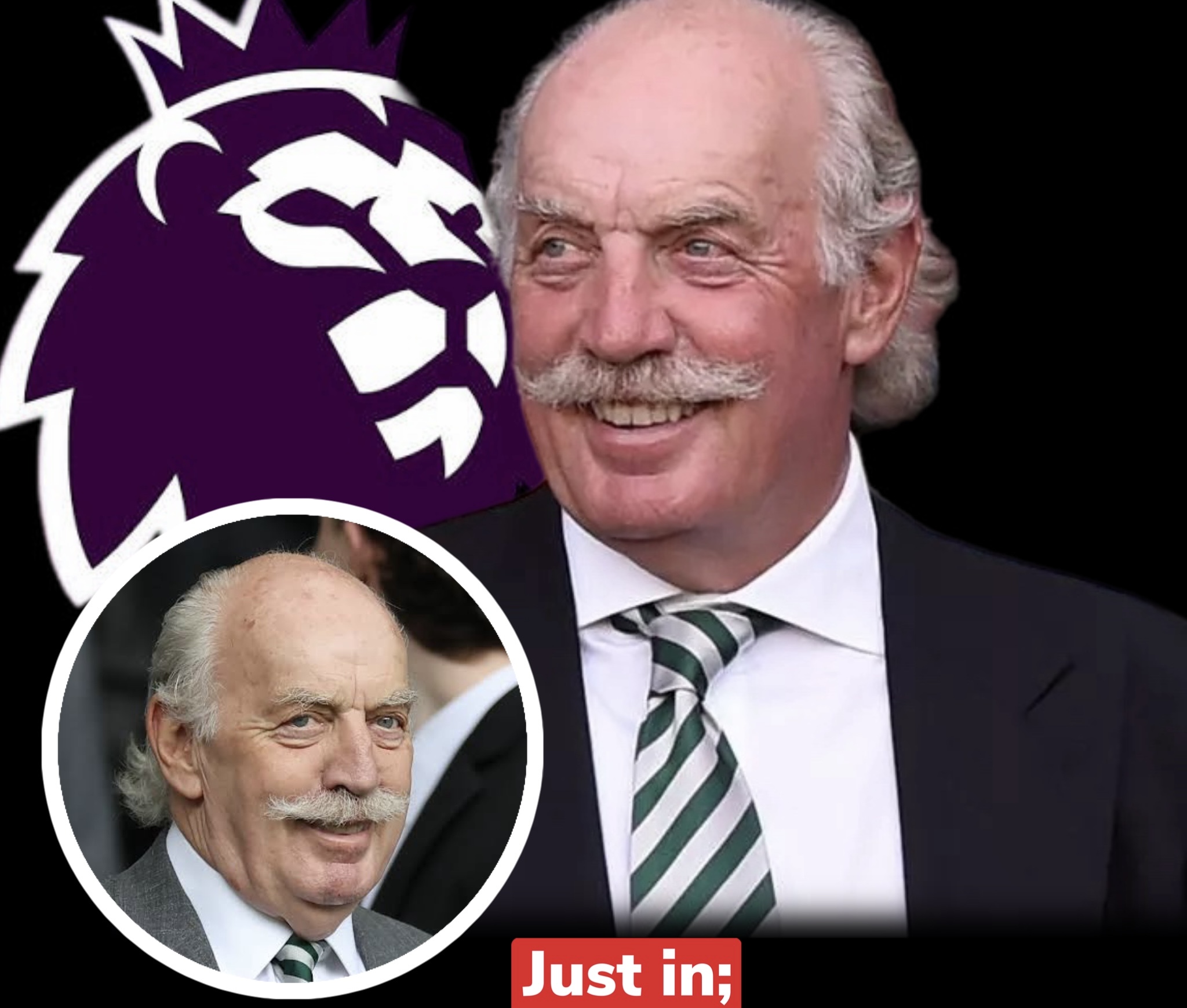
Celtic Football Club is set to appoint 56-year-old Phil Parkinson as their new permanent manager, succeeding interim boss Martin O’Neill after a transitional period following Brendan Rodgers’ resignation. The Scottish giants are hopeful Parkinson’s extensive managerial experience will bring stability and renewed success as they seek to reclaim their dominant position in Scottish football.
O’Neill’s interim spell brings early success
Following Rodgers’ departure just a week ago, Celtic turned to Martin O’Neill, a club legend and former manager, to take charge on an interim basis. O’Neill immediately steadied the team, guiding them to two successive victories that lifted spirits among fans and players alike. His understanding of the club’s culture and ability to motivate players played a key role in this early resurgence.
While O’Neill’s short-term impact has been encouraging, the Celtic board has been clear from the outset that they want a long-term appointment to lead the club forward. Parkinson, who boasts a wealth of managerial experience across English football’s leagues, has emerged as their preferred candidate after an extensive search.

Parkinson’s managerial journey
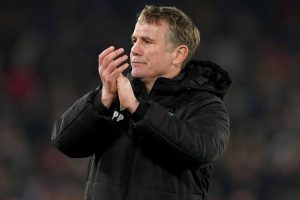
Phil Parkinson’s managerial career spans more than two decades, starting in 2003 at Colchester United. His early years saw him develop a reputation as a pragmatic, hardworking coach capable of getting the best out of limited resources. After three years at Colchester, Parkinson had a brief spell at Hull City in 2006 before moving to Charlton Athletic in 2008.
At Charlton, Parkinson managed for three years, navigating the challenges of the Football League Championship. However, it was his tenure at Bradford City between 2011 and 2016 that truly raised his profile. Parkinson led Bradford to the 2013 League Cup final, a remarkable achievement for the League Two side, while also securing promotion to League One. His ability to build resilient teams capable of punching above their weight earned him widespread respect.
After Bradford, Parkinson took charge of Bolton Wanderers from 2016 to 2019, where he faced the difficult task of managing the club amid financial turmoil. Despite these challenges, he helped maintain the team’s competitiveness and laid groundwork for future progress. Parkinson’s next role was at Sunderland in 2019, where he managed for just over a year before moving to Wrexham in 2021. At Wrexham, he has continued to demonstrate his leadership, navigating the National League’s tough competition.
Why Parkinson is the right fit for Celtic
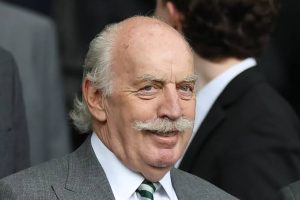
Celtic’s board believes Parkinson’s tactical discipline and strong man-management skills make him ideally suited to guide the club through its current rebuilding phase. Known for his pragmatic style, Parkinson focuses on building organized, hard-working teams that can adapt to different challenges—a necessity for Celtic as they aim to regain domestic dominance and improve their performances in European competitions.
Parkinson’s track record of managing clubs facing financial or competitive difficulties has given him a reputation as a stabilizing influence, able to foster team spirit and resilience. This aligns well with Celtic’s current needs, as the club looks to rebuild a squad capable of competing on multiple fronts.
O’Neill’s role and interim impact
Martin O’Neill’s interim appointment brought immediate relief to Celtic during a period of uncertainty. His two early wins have helped lift the mood around the club and provided time for the board to conduct a thorough search for a permanent manager. O’Neill’s deep connection to Celtic and his understanding of the club’s expectations have been invaluable in this transitional phase.
The board have consistently emphasized that O’Neill’s role was always temporary, and the club is confident that Parkinson’s appointment will provide the stability and long-term vision needed to propel Celtic forward.
Challenges facing Parkinson
Parkinson inherits a club with high expectations but recent inconsistency. Rebuilding a squad capable of domestic success and European progress will be one of his immediate priorities. The Scottish Premiership is fiercely competitive, and Celtic’s passionate fanbase demands results and attractive football.
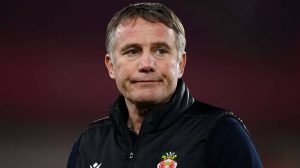
Parkinson will also need to navigate the pressures of the transfer market, balancing short-term improvements with longer-term squad development. His history of maximizing limited resources will be tested at a club used to competing for silverware every season.
Fans and pundits react
The news of Parkinson’s impending appointment has been met with cautious optimism. Fans appreciate his steady approach and his proven ability to manage under pressure, qualities they hope will bring much-needed stability to the club.
Football pundits highlight Parkinson’s extensive experience and tactical flexibility, seeing him as a manager who can rebuild and adapt the squad to meet Scottish football’s demands. While some supporters might have hoped for a more high-profile name, many recognize that Parkinson’s calm and pragmatic style could be exactly what Celtic need at this moment.
An official announcement confirming Parkinson’s appointment is expected in the coming days. Fans will be eager to see how he shapes the squad, implements his footballing philosophy, and leads Celtic back to the heights they once enjoyed under previous successful managers.
With Parkinson at the helm, Celtic hope to usher in a new era of success marked by consistency, resilience, and competitive spirit both domestically and in European competitions.