Scotland Suffer Major Injury Blow Ahead of World Cup Qualifier – Key Forward Ruled Out After Training Ground Knock
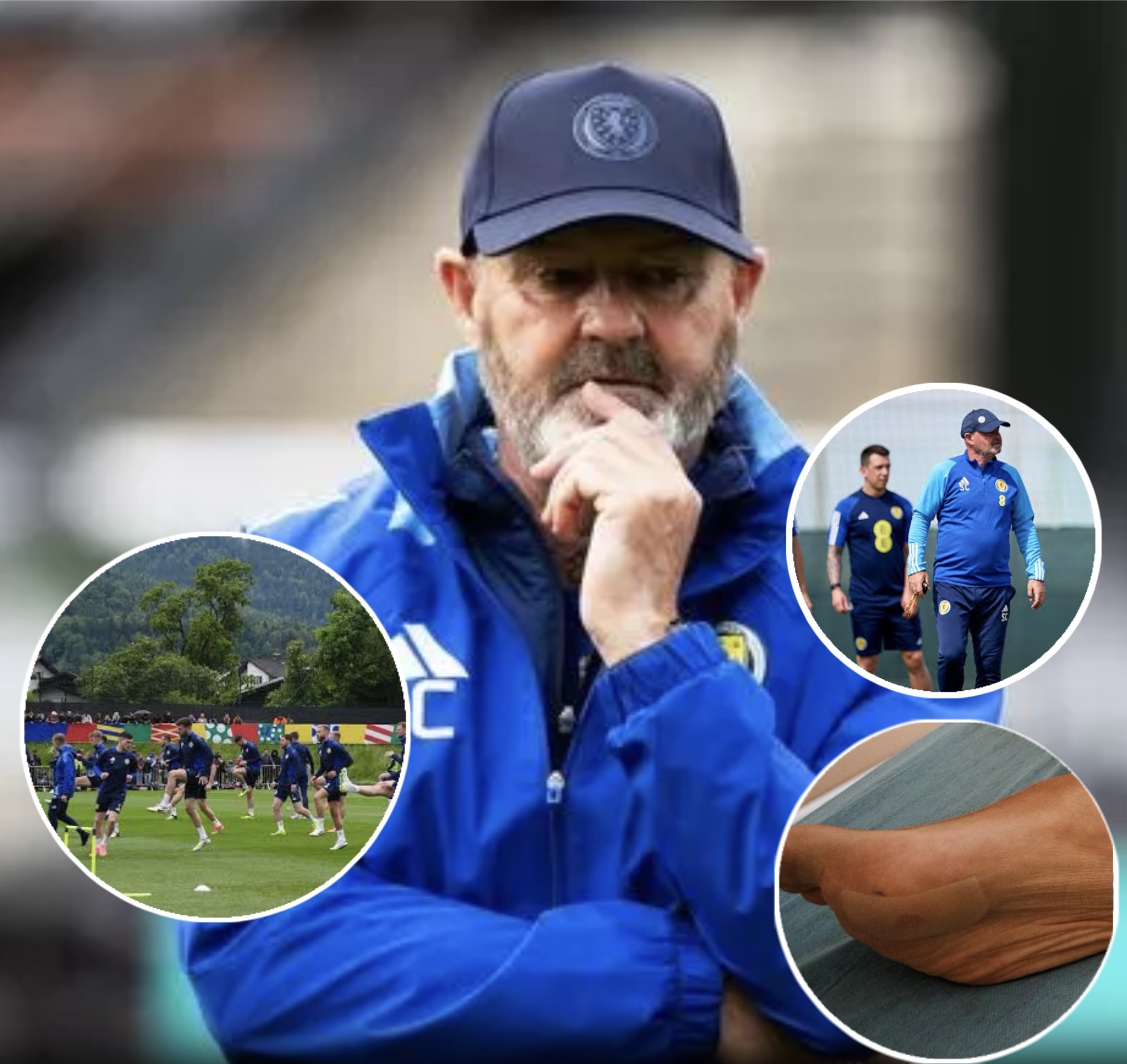
Scotland’s preparations for their crucial FIFA World Cup European Qualifier against Greece on Saturday, 15 November have been rocked by a major setback. Just days before the squad’s departure for Athens, one of Steve Clarke’s most important attacking players has been ruled out through injury following an incident in training.
The blow comes at a delicate stage of the qualifying campaign, with Scotland looking to strengthen their position in the group and edge closer to a long-awaited return to football’s biggest stage. The untimely injury not only disrupts Clarke’s tactical plans but also raises questions about how Scotland will reshape their attack for one of their toughest fixtures of the year.
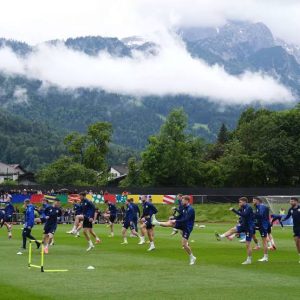
Scotland’s first-choice striker and a central figure in Clarke’s system Ché Adams went down awkwardly during a high-intensity training session at Oriam, Scotland’s national performance centre, suffering what has been confirmed as a major injury. Initial hopes that the issue was minor quickly faded after scans revealed ligament damage that will rule him out of the trip to Greece and potentially the following qualifier as well.
A Painful Setback

The incident reportedly occurred midway through Wednesday’s morning session during a finishing drill. Eyewitnesses say Adams appeared to twist his leg after chasing a loose ball and immediately signalled discomfort. Team physios rushed to assist him, and after a brief attempt to continue, he was helped from the field.
“He was in visible pain,” said a source familiar with the session. “Everyone hoped it was just a knock, but the medical team didn’t want to take chances. Once the swelling started, it became clear it was more serious.”
Adams underwent a scan later that afternoon, and the results confirmed the worst fears ligament strain that requires rest and rehabilitation. The striker will remain in Scotland for treatment rather than join the team in Athens.
Clarke Faces a Selection Headache

The timing of the injury could hardly be worse for manager Steve Clarke, who had planned to build his attack around Adams’ pace, strength, and hold-up play. The Torino forward has become an integral part of Scotland’s pressing system, linking midfield and attack with intelligence and physicality.
Now, Clarke must reshuffle his options. Lyndon Dykes appears the most likely replacement, while Lawrence Shankland and Kevin Nisbet may also come into contention. However, none possess quite the same blend of mobility and composure that Adams brings to the role.
“Ché’s injury changes everything,” said former Scotland international Darren Fletcher on BBC Radio Scotland. “He’s the kind of striker who sets the tone for the whole team. Losing him days before a World Cup qualifier is a massive blow.”
Supporters React to the News
The reaction from Scotland fans on social media was immediate and emotional. Many expressed frustration at the team’s continuing run of bad luck with injuries, particularly to key players in crucial moments of qualifying campaigns.
“Every time we build momentum, something like this happens,” one supporter posted on X (formerly Twitter). “Adams was finally hitting top form, and now we’ll have to change our whole system.”
Others tried to stay positive, highlighting the squad’s resilience under Clarke. “We’ve coped with setbacks before,” another fan wrote. “Dykes and McGinn have delivered in big games. Time for someone else to step up.”
Inside the camp, teammates are said to be rallying around Adams, with several players visiting him after the diagnosis. Clarke himself reportedly assured the forward that he remains central to Scotland’s long-term plans.
Tactical Repercussions
With Adams unavailable, Scotland’s tactical shape could look noticeably different in Athens. Clarke may choose to lean on Dykes’ aerial strength and physicality, using him as a target man to bring midfield runners like John McGinn and Scott McTominay into play.
Alternatively, the manager could deploy a more fluid front line, with Ryan Christie or Stuart Armstrong drifting into advanced positions in a false-nine setup—an approach designed to frustrate Greece’s physical back line.
“Clarke’s teams are built on adaptability,” noted Sky Sports analyst Michael Stewart. “He’ll tweak the system to match the tools he has, but Adams’ absence removes that natural outlet—a player who can turn a half-chance into a goal.”
Clarke: “We’ll Adjust and Keep Moving Forward”
Speaking at Thursday’s press briefing, Clarke confirmed the injury but refused to let it overshadow Scotland’s preparations. “It’s obviously disappointing,” he said. “He’s been excellent for us, both on and off the pitch. But injuries are part of football. We have a strong squad and players ready to step up.”
His message was clear: the focus remains on unity and adaptability. Under Clarke’s leadership, Scotland have developed a reputation for resilience, repeatedly finding solutions in the face of adversity.
The match in Athens now carries even greater intrigue. Greece sit level on points with Scotland in the qualifying group, and both sides are fighting for a top-two finish. Clarke’s men will need to summon every ounce of determination to secure a result without one of their key attacking threats.
For Adams, the next few weeks will be spent on recovery and rehabilitation, with hopes that he can return in time for December’s decisive fixtures. For Scotland, the challenge is clear: to turn frustration into motivation and keep their World Cup dream alive.
As one fan put it online: “We’ve been here before. Scotland always find a way.”