Roy Keane Says No Sunderland Manager Has Matched What Régis Le Bris Has Already Achieved.
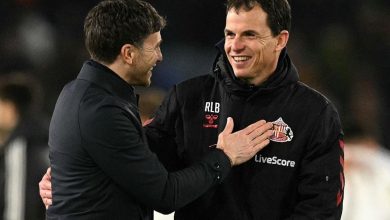
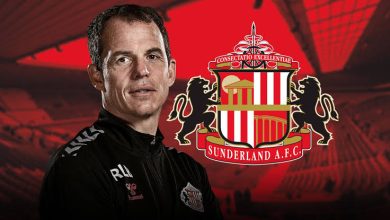
Roy Keane has praised the transformative impact of Sunderland head coach Régis Le Bris, claiming that no manager in the club’s modern era has matched the combination of achievements the Frenchman has delivered in such a short period. Keane, who famously led Sunderland to the Championship title during his own tenure on Wearside, suggested that the scale and speed of Le Bris’ progress “stands alone” compared with those who came before him.
Keane’s remarks come as Sunderland continue to enjoy a resurgence under Le Bris, whose arrival in the summer of 2024 marked a significant turning point following a difficult previous campaign. The club had finished 16th in the Championship the season before, enduring managerial instability, inconsistency in performances and a clear loss of direction both on and off the pitch. Le Bris inherited a young and talented squad in need of structure, confidence and clarity, and his early months have sparked a dramatic shift in atmosphere around the Stadium of Light.
One of the most widely reported milestones of Le Bris’ tenure has been Sunderland’s exceptional opening to the season. The team produced their strongest start to a league campaign in nearly a century, an achievement that has drawn frequent comparisons with some of the club’s most successful sides of the past. While Peter Reid, Bob Stokoe and Tom Watson are among the most revered names in Sunderland’s managerial history, none oversaw a century-breaking start matching the statistical mKeane acknowledged this distinction, describing it as “a rare moment in a club with a very long history.” He added that the ability to produce such a start after inheriting a mid-table Championship squad “says something about the level of work going on behind the scenes.”
Another noteworthy element of Le Bris’ early tenure has been his success in derby competition. The Frenchman won his first Tees Wear derby, making him the first Sunderland manager since 2005 to do so. The victory was seen as a significant psychological moment for supporters, many of whom regard the Middlesbrough rivalry as an essential measure of a manager’s authority and understanding of the club’s identity. The fixture has historically been challenging for Sunderland in opening encounters under new coaches, adding further weight to Le Bris’ achievement.
Keane remarked that derbies have “a habit of shaping careers on Wearside,” and suggested that winning his opening match in the fixture “instantly cemented Le Bris with a section of the fanbase”. He noted that such victories often serve as early indicators of a team’s resilience, discipline and readiness to compete at higher levels.
Beyond results, Le Bris has been credited with implementing a clear tactical structure that has helped rejuvenate key players while integrating younger talents more effectively. His approach has emphasised organisation, intensity and fluid attacking movement, characteristics that had been lacking in the previous season. Analysts have highlighted the improved balance in Sunderland’s performances, with better coordination out of possession and a more purposeful use of the ball in transitions.
Supporters have also pointed to a cultural shift at the club. Training standards, matchday preparation and internal communication have reportedly become more aligned to a long-term vision. Keane praised this aspect in particular, noting that “proper structure” was something Sunderland had struggled to maintain over extended periods in the past decade.
The ultimate marker of progress has been Sunderland’s return to the Premier League after an eight-year absence, achieved earlier than many observers predicted. The club’s promotion, combined with the stability and momentum generated under Le Bris, has been viewed as one of the most significant steps forward since their last top-flight spell.
When comparing Le Bris to previous Sunderland managers, Keane highlighted the achievements of several of his predecessors. He acknowledged Reid’s successful Premier League campaigns, Stokoe’s iconic 1973 FA Cup triumph, the impact of Gus Poyet during the club’s “miracle escape”, and the disciplined rebuilds overseen at various times by Jack Ross and Tony Mowbray. However, Keane argued that none matched “the same blend of historic league start, derby success and immediate cultural transformation” that Le Bris has achieved simultaneously.
The consistency of early results, the statistical significance of the team’s league form and the structural clarity in performances have all contributed to a growing sense that Sunderland have entered a new phase under the Frenchman. While acknowledging that long-term success cannot be guaranteed, Keane stated that Le Bris has “earned the right to be spoken about alongside some of the best the club has had.”
As Sunderland continue to adapt to life back in the top flight, the coming months will determine how far Le Bris can take this developing side. For now, his early influence remains one of the most widely discussed managerial stories on Wearside and for Roy Keane, it is already unlike anything the club has experienced before.
Roy Keane Says No Sunderland Manager Has Matched What Régis Le Bris Has Already Achieved
Roy Keane has praised the transformative impact of Sunderland head coach Régis Le Bris, claiming that no manager in the club’s modern era has matched the combination of achievements the Frenchman has delivered in such a short period. Keane, who famously led Sunderland to the Championship title during his own tenure on Wearside, suggested that the scale and speed of Le Bris’ progress “stands alone” compared with those who came before him.
Keane’s remarks come as Sunderland continue to enjoy a resurgence under Le Bris, whose arrival in the summer of 2024 marked a significant turning point following a difficult previous campaign. The club had finished 16th in the Championship the season before, enduring managerial instability, inconsistency in performances and a clear loss of direction both on and off the pitch. Le Bris inherited a young and talented squad in need of structure, confidence and clarity, and his early months have sparked a dramatic shift in atmosphere around the Stadium of Light.
One of the most widely reported milestones of Le Bris’ tenure has been Sunderland’s exceptional opening to the season. The team produced their strongest start to a league campaign in nearly a century, an achievement that has drawn frequent comparisons with some of the club’s most successful sides of the past. While Peter Reid, Bob Stokoe and Tom Watson are among the most revered names in Sunderland’s managerial history, none oversaw a century-breaking start matching the statistical markers set under Le Bris.
Keane acknowledged this distinction, describing it as “a rare moment in a club with a very long history.” He added that the ability to produce such a start after inheriting a mid-table Championship squad “says something about the level of work going on behind the scenes.”
Another noteworthy element of Le Bris’ early tenure has been his success in derby competition. The Frenchman won his first Tees Wear derby, making him the first Sunderland manager since 2005 to do so. The victory was seen as a significant psychological moment for supporters, many of whom regard the Middlesbrough rivalry as an essential measure of a manager’s authority and understanding of the club’s identity. The fixture has historically been challenging for Sunderland in opening encounters under new coaches, adding further weight to Le Bris’ achievement.
Keane remarked that derbies have “a habit of shaping careers on Wearside,” and suggested that winning his opening match in the fixture “instantly cemented Le Bris with a section of the fanbase”. He noted that such victories often serve as early indicators of a team’s resilience, discipline and readiness to compete at higher levels.
Beyond results, Le Bris has been credited with implementing a clear tactical structure that has helped rejuvenate key players while integrating younger talents more effectively. His approach has emphasised organisation, intensity and fluid attacking movement, characteristics that had been lacking in the previous season. Analysts have highlighted the improved balance in Sunderland’s performances, with better coordination out of possession and a more purposeful use of the ball in transitions.
Supporters have also pointed to a cultural shift at the club. Training standards, matchday preparation and internal communication have reportedly become more aligned to a long-term vision. Keane praised this aspect in particular, noting that “proper structure” was something Sunderland had struggled to maintain over extended periods in the past decade.
The ultimate marker of progress has been Sunderland’s return to the Premier League after an eight-year absence, achieved earlier than many observers predicted. The club’s promotion, combined with the stability and momentum generated under Le Bris, has been viewed as one of the most significant steps forward since their last top-flight spell.
When comparing Le Bris to previous Sunderland managers, Keane highlighted the achievements of several of his predecessors. He acknowledged Reid’s successful Premier League campaigns, Stokoe’s iconic 1973 FA Cup triumph, the impact of Gus Poyet during the club’s “miracle escape”, and the disciplined rebuilds overseen at various times by Jack Ross and Tony Mowbray. However, Keane argued that none matched “the same blend of historic league start, derby success and immediate cultural transformation” that Le Bris has achieved simultaneously.
The consistency of early results, the statistical significance of the team’s league form and the structural clarity in performances have all contributed to a growing sense that Sunderland have entered a new phase under the Frenchman. While acknowledging that long-term success cannot be guaranteed, Keane stated that Le Bris has “earned the right to be spoken about alongside some of the best the club has had.”
As Sunderland continue to adapt to life back in the top flight, the coming months will determine how far Le Bris can take this developing side. For now, his early influence remains one of the most widely discussed managerial stories on Wearside and for Roy Keane, it is already unlike anything the club has experienced before.