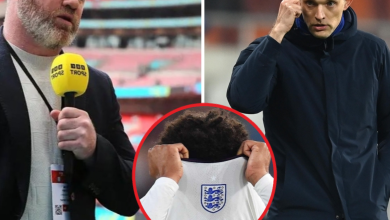
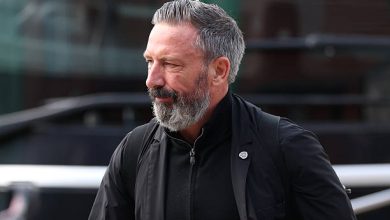
Derek McInnes slammed captain Callum McGregor for calling Chris Sutton a dum dog saying Celtic are always fond of insulting pundits
Derek McInnes has sparked huge debate across Scottish football after publicly slamming Celtic captain Callum McGregor for calling former striker and outspoken pundit Chris Sutton a dumb dog. McInnes believes the club and its players have developed a habit of insulting pundits rather than addressing criticism with professionalism, and he did not shy away from expressing those thoughts.

The Aberdeen boss felt McGregor’s comments were totally beneath the standards expected from someone seen as the leader of Celtic and a respected figure in the Scottish national team. McInnes has always been known to avoid war-of-words battles, but he was clearly irritated by the tone of McGregor’s reply to Sutton, who had questioned Celtic’s mentality and leadership following their European performances.
According to McInnes, the way McGregor responded shows a deeper issue. Celtic, he insisted, tend to react with insults whenever someone in the media challenges them. The manager suggested that there are ways of disagreeing without lowering the conversation to personal attacks. McInnes went on to say that calling Sutton a dumb dog was an unnecessary gesture, especially from a veteran player who should be setting an example to younger teammates and supporters.
McInnes did not defend Sutton’s views either, but he stressed that pundits exist to provide opinions, not to be protected or pampered by clubs. Sutton has been controversial in Scottish football for years, known for his blunt analysis and refusal to sugarcoat comments. Even with that, McInnes believes the Celtic captain should have responded with substance, not insults.


Celtic supporters have reacted in mixed fashion to the controversy. Some defended McGregor, arguing that Sutton has repeatedly attacked Celtic players and management and sometimes crosses the line. Others felt McInnes had a point, saying that leadership is about discipline, maturity, and emotional control rather than retaliation.
The discussion has now gone beyond the original comments. Former players, journalists, and fans have spent the last few days debating whether Scottish football has become overly toxic. Many believe the media have been harsh on Celtic recently, especially with their inconsistency in Europe. Others insist that being criticised is part of elite sport and players should handle it.
McInnes further explained that he has been on both sides of the criticism game. As a manager, he has been slammed by pundits many times, but he always makes an effort to respond constructively, or simply ignore the noise. He stated clearly that the manager or captain of a club should always be above the level of personal insults.
This controversy may not fade quickly either. McGregor has always been seen as one of the most composed men in Scottish football, and Sutton has never backed down or apologised when he criticises players for underperforming. The clash between the two figures is likely to re-ignite discussions in the days ahead.
What is certain is that McInnes’ intervention has challenged Celtic to rethink their communication strategy. When one of the league’s most respected managers calls you out for behaviour, it is not something easily brushed off. Whether Celtic respond publicly or privately, many observers think McInnes has raised a valid point.
For now, the spotlight remains firmly on the Celtic captain. Was his reaction emotionally charged or intentionally provocative? Should Sutton tone down his language or continue his brutally honest punditry? Scottish football thrives on passion, but the latest episode has raised the question of whether passion is now turning into needless conflict.
One thing is clear: McInnes has ignited a debate that goes far beyond a single insult and into the culture of Scottish football itself.
One thing is clear: McInnes has ignited a debate that goes far beyond a single insult and into the culture of Scottish football itself.