ANTHONY RALSTON SLAMS KRIS BOYD AND NAMES ‘SIX LEGENDS’ WHO COULD HELP HIM DO A BETTER JOB
Anthony Ralston has hit back strongly at pundit Kris Boyd after recent criticism of his performances for Celtic and Scotland ignited debate across Scottish football. The Celtic defender made it clear he is not running from scrutiny but insists that if improvement is the goal then learning from true Scottish greats would be far more productive than television soundbites.

Boyd had questioned Ralston’s consistency and effectiveness during recent discussions on Scottish football, comments that quickly circulated online and split opinion among supporters. While the former Rangers striker is known for his blunt assessments, Ralston felt the narrative had gone too far and decided to respond publicly.
Speaking after training this week, Ralston addressed the criticism head on. He admitted that analysis comes with the territory of playing for a club like Celtic and representing Scotland but stressed that development should be constructive.
Ralston said he listens to feedback but prefers insight from people who have actually lived the pressures of elite football. He then named six Scottish legends he believes could genuinely help him raise his level rather than tear him down.

The first name he mentioned was Darren Fletcher. Ralston highlighted Fletcher’s leadership and intelligence during his Manchester United career and said learning from someone who played at the very top of the game would help him read matches better and manage big moments.
Gary McAllister was next on the list. Ralston praised McAllister’s composure and technical quality, explaining that understanding tempo and decision making is vital for a modern full back who must balance defending and attacking responsibilities.
Chris Sutton was another surprising inclusion. While Sutton is now best known as a pundit, Ralston said the former Celtic striker’s understanding of movement and attacking patterns could help defenders anticipate danger earlier and improve positioning.
Alan Hutton was perhaps the most natural fit. A right back with Premier League experience, Hutton’s career path is one Ralston believes offers valuable lessons about physical demands consistency and adapting to different systems.
John Collins was also named as someone whose tactical knowledge and professionalism could elevate any player. Ralston pointed to Collins’ reputation for detail and preparation as qualities he wants to continue developing in his own game.
The sixth and final legend Ralston mentioned was Jim Leighton. While a goalkeeper by trade, Leighton’s experience organising defences and handling pressure at major tournaments was described as invaluable for anyone playing in the back line.
Ralston’s comments were widely shared and sparked strong reaction. Many Celtic supporters praised his maturity and willingness to improve, while others felt the response was a subtle but clear message aimed directly at Boyd.
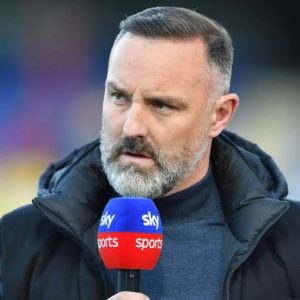
Kris Boyd later responded by insisting there was no personal agenda behind his remarks. He acknowledged Ralston’s commitment and said criticism is part of football analysis. Boyd added that using feedback as motivation is often what separates good players from great ones.
Fans across Scotland weighed in online. Some defended Boyd’s right to offer opinions while others argued that players are too often judged harshly without proper context. Several supporters pointed out that Ralston has consistently stepped up when needed for both club and country.
At Celtic, Ralston remains a trusted squad member and a popular figure in the dressing room. Coaches have frequently praised his attitude work ethic and willingness to play whatever role is asked of him. While competition at right back remains intense, his determination to improve has never been questioned.
With Scotland entering a crucial phase ahead of upcoming international fixtures, Ralston knows performances will be scrutinised even more closely. His response to criticism suggests a player focused on growth rather than noise.
Rather than escalating a war of words, Ralston has turned the spotlight back onto standards learning and ambition. By invoking some of the most respected names in Scottish football history, he has reframed the conversation around development rather than controversy.
Whether or not Boyd is convinced, Ralston’s message is clear. If Scottish football wants players to improve, then guidance from legends who have been there and done it may speak louder than any studio debate.