DEREK MCINNES TURNS THE HEAT ON CELTIC COACH IN POST-MATCH OUTBURST
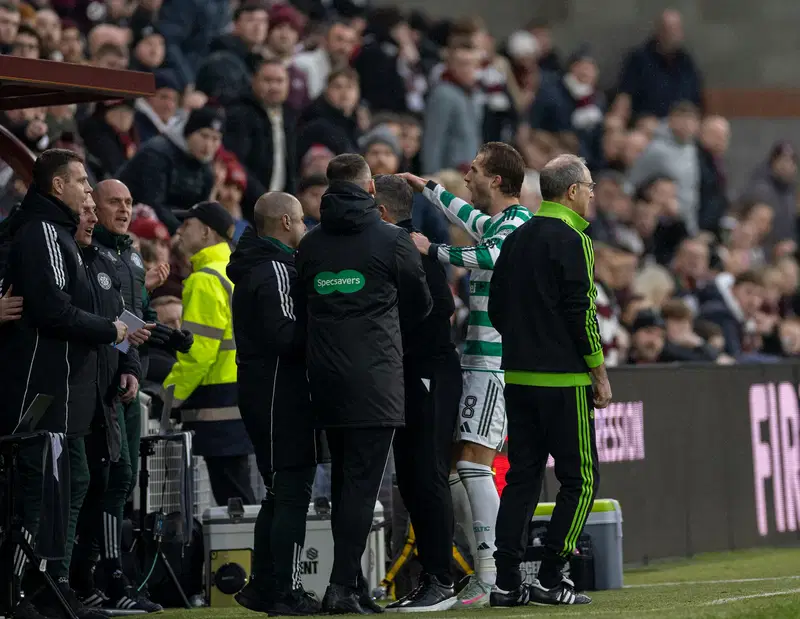
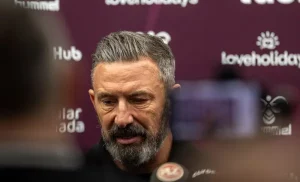 Derek McInnes did not hide his irritation with Celtic’s technical area after the draw at Tynecastle and the way he framed his criticism was revealing. He made a point of distancing Martin O’Neill and Shaun Maloney from the issue, instead directing his frustration toward what he labelled an “inexperienced” member of the Celtic bench. That distinction immediately narrowed the field and raised eyebrows about who the comment was really aimed at.
The flashpoint followed Benjamin Nygren’s opener, when reactions from the visiting bench caught McInnes’ attention. By that stage, the match was already simmering. VAR delays, a red card, and late twists had pushed emotions close to the edge, and Tynecastle carried tension from first whistle to last. In that kind of atmosphere, even small moments are magnified.
Rather than letting it fade, McInnes chose to address it publicly. That choice matters. Coming after a game where Hearts were protecting their position and Celtic were pushing to close the gap, the words landed with intent. Comments like that don’t exist in a vacuum especially when they come from a manager deeply familiar with the pressures of Scottish football.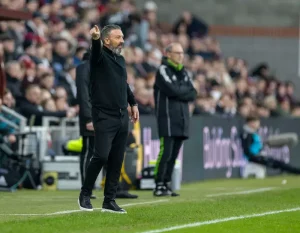
By naming O’Neill and Maloney as non-factors, McInnes effectively pointed elsewhere. That leaves Stephen McManus or Mark Fotheringham as the most obvious candidates, given their roles on the bench. If that was the direction of travel, the criticism feels difficult to justify.
McManus, in particular, is far from a novice. His years as Celtic captain and his transition into coaching have centred on leadership, standards, and guiding young players through high-pressure moments exactly the scenario presented at Tynecastle. Labeling him “inexperienced” misrepresents both his history and his current role.

Fotheringham’s route has been different but equally demanding. His résumé includes work overseas, Championship management, and environments where scrutiny is relentless and patience is limited. Painting him as a newcomer ignores why Celtic value his experience in the first place.
The reaction from Celtic’s bench also needs context. This was not a straightforward afternoon. Goals were hard-earned, momentum shifted constantly, and scoring carried genuine emotional weight. A release of energy in those circumstances is hardly unusual.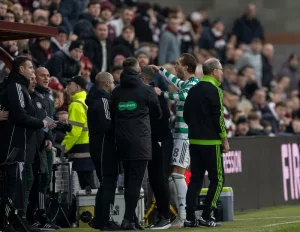
Touchline behaviour often becomes a talking point when it serves a purpose. Managers use it to underline grievances, shift narratives, or draw attention away from decisive moments on the pitch. McInnes understands that dynamic better than most.
Ultimately, the game itself told the real story. Hearts were punished late from a set-piece situation they failed to manage, while Celtic capitalised. The result was shaped by defending, officiating calls, and execution in key moments not by reactions on the sideline.
Speaking to Sky Sports, McInnes said: “Just one of their inexperienced coaches. I didn’t like his reaction to scoring the goal, but nothing to do with Shaun or Martin just a poor reaction.”
Inside Celtic, the comment is unlikely to carry much weight. O’Neill has consistently backed his staff, and the squad’s focus remains on performances rather than external noise. Results will always speak louder than touchline disputes.
If the intention was to unsettle or distract, it’s difficult to see the impact. Celtic’s coaches will be judged on how the team performs under pressure and in that regard, both McManus and Fotheringham have already shown they belong exactly where they are.