“Robbed by Milliseconds! Willock’s ‘Goal’ Was the Tightest Offside in Premier League History! VAR Clowns Strike Again”
In a Premier League night that had everything drama, resilience, and yet another infuriating VAR moment Newcastle United walked away from Tottenham Hotspur Stadium with a hard fought 2-1 victory on Tuesday, February 10, 2026. But the real story wasn’t just the three points. It was the moment that nearly stole the show and left Magpies fans raging at the “VAR clowns” once more: Joe Willock’s disallowed goal, chalked off by the tightest offside call many have ever witnessed.
The match at Tottenham Hotspur Stadium started with Newcastle looking the sharper side. Eddie Howe’s men controlled large portions of the first half, creating chances and putting pressure on a Spurs side struggling for form under Thomas Frank. Then, in the 44th minute, magic happened. Jacob Ramsey threaded a defence splitting pass, and Willock burst through, slotting the ball coolly into the bottom corner past Guglielmo Vicario. Referee Anthony Taylor pointed to the centre circle. Newcastle players celebrated. The travelling fans erupted.
For a few glorious seconds, it was 1-0 to the Magpies. Then the dreaded VAR check began.
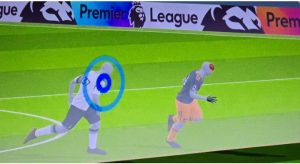
What followed was a masterclass in football’s modern frustration. The semi-automated offside technology kicked in, drawing those infamous lines. After what felt like an eternity, the goal was overturned. Willock, it was ruled, had been marginally offside by a matter of millimeters, with reports and footage suggesting it came down to a tiny portion of his forehead or the upper part of his head. Premier League Match Centre confirmed: “VAR checked the referee’s call of goal and established that Willock was in an offside position and recommended that the goal was disallowed.”

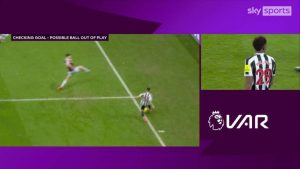
Pundits watching live were stunned. Former referee Mike Dean, on Sky Sports/Soccer Special, called it “the closest offside call I’ve ever seen.” His co-pundit Julian Warren could only reply with a shocked “Wow.” On social media and fan forums, the reaction was even stronger. Newcastle supporters flooded X (formerly Twitter) with memes of the offside lines, jokes about “forehead offside,” and angry calls that the technology had ruined another beautiful moment. One fan captured the mood perfectly: “An inch of his forehead was offside? Millimetres are now killing the game.”
This wasn’t a clear and obvious error that VAR is meant to correct. It was a razor thin decision where the attacker gained zero meaningful advantage. Willock wasn’t interfering with play in any significant way, and the pass from Ramsey was so perfectly weighted that the goal felt deserved. Critics argue this is exactly where VAR goes wrong turning football into a game of pixels and freeze-frames rather than passion and flow. The “clear and obvious” threshold that was supposed to prevent constant interruptions has been blurred, leading to these pedantic, game stopping calls.
Many Newcastle fans and neutral observers labelled the decision as another example of VAR’s deeper problems: inconsistency, over-reliance on technology that still feels subjective, and a detachment from the spirit of the game. In real time, the check killed momentum just before half-time. Instead of going into the break with a deserved lead and confidence, Newcastle had to regroup after the emotional high of a “goal” that never was.
But credit where it’s due the Magpies showed character. In the fifth minute of added time, Malick Thiaw pounced on a saved effort and prodded home to make it 1-0 at the break. The disallowed goal didn’t break them; it seemed to fuel them.
The second half brought more drama. Tottenham equalised in the 64th minute when Archie Gray volleyed home from close range after a corner, assisted by Pape Matar Sarr. For a moment, Spurs had life. Newcastle, however, responded almost instantly. Just four minutes later, in the 68th minute, Anthony Gordon delivered a trademark trivela pass, and Jacob Ramsey finished clinically to restore the lead at 2-1.
From there, Newcastle managed the game professionally. Substitutions helped see out the final stages, and despite late Tottenham pressure, the Magpies held firm for a vital away win. The final scoreline read Tottenham 1-2 Newcastle, with goals from Thiaw and Ramsey securing the points.
Yet even in victory, the Willock incident dominated post-match talk. Fans argued that if the goal had stood, Newcastle would have been 2-0 up early in the second half, potentially changing the entire complexion of the game and sparing them the nervy moments that followed the equaliser. The “robbery by milliseconds” narrative spread quickly, with headlines and social media posts echoing the sentiment that VAR had once again prioritised technical perfection over footballing reality.
This controversy fits into a larger, ongoing debate about VAR in the Premier League. Introduced to eliminate clear errors, it has instead become a source of endless frustration for players, managers, and supporters. Calls for reform whether scrapping certain marginal offside decisions, introducing a “benefit of the doubt” for attackers in tight calls, or even a return to more human refereeing are growing louder. Incidents like this one, where technology rules out a goal by the width of a hair, make many question if the system is improving the game or slowly strangling its joy.
For Newcastle United, the night ended positively. Three points on the road against a rival boosted their table position and showed the squad’s mental strength. Joe Willock, despite the disappointment, earned praise for his performance and that moment of quality. But the bigger picture remains: how much longer will fans tolerate decisions that feel more like accounting than sport?
In the end, Newcastle won despite VAR’s best efforts to intervene. The Magpies showed heart, but the “VAR clowns” provided yet another reminder of why so many are calling for change. Football is about moments like Willock’s strike the skill, the timing, the roar of the crowd. When technology robs us of those by milliseconds, it doesn’t correct the game; it corrupts its soul.