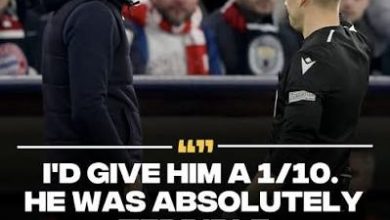
He Was Destroying Us” Glasner Praises Leeds Star but Questions Farke’s Early Substitution After 0–0 Draw at Selhurst Park
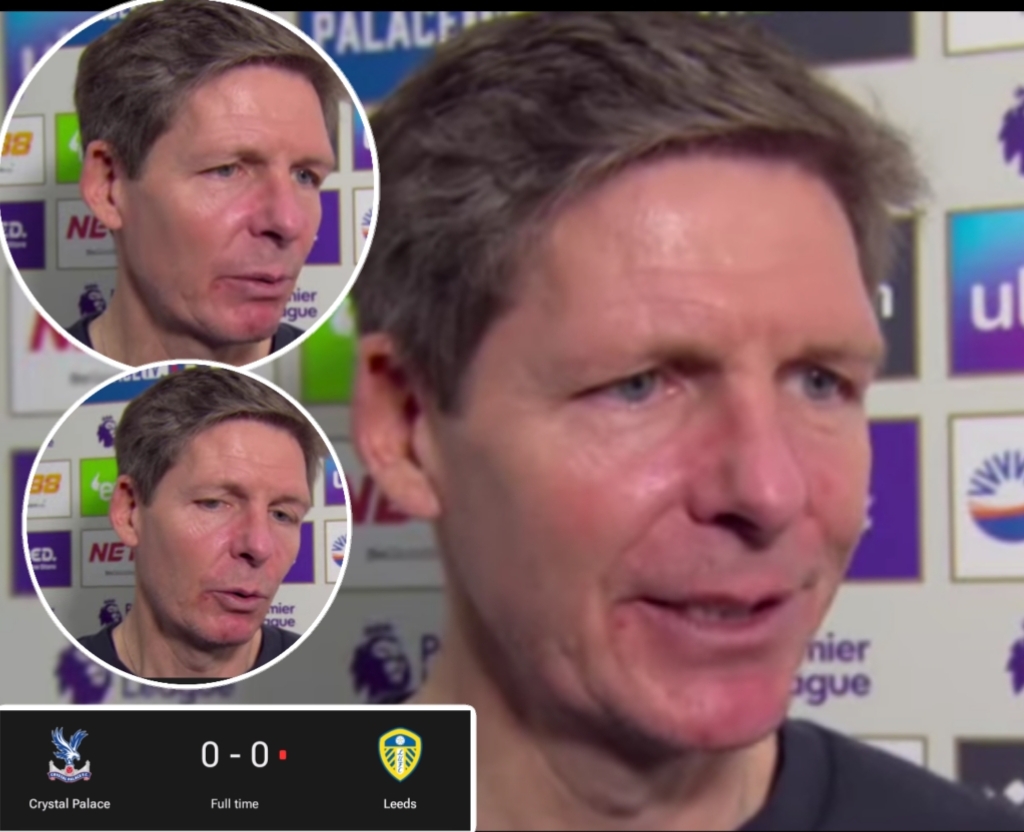
In a hard‑fought and highly tactical Premier League clash at Selhurst Park, Crystal Palace and Leeds United battled to a 0–0 stalemate, a result that reflected both sides’ resilience and tactical discipline. But the story of the match went well beyond the scoreline featuring a controversial red card, a missed penalty, and a much‑debated early substitution that even Palace boss Oliver Glasner admitted altered the flow of the game.
A Game of Big Chances and Big Moments
From the first whistle, Leeds looked intent on imposing their style with energetic pressing and quick movement through the midfield. That intensity paid off with a golden chance just before halftime when Leeds earned a penalty, only for Dominic Calvert‑Lewin to miss his spot‑kick, dragging his effort wide and keeping the game scoreless.
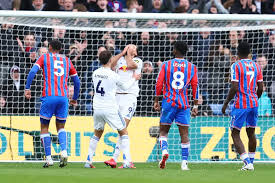
But the game’s turning point came moments later.

Chaos Before the Break The Red Card
Just before the interval, Leeds were reduced to 10 men when defender Gabriel Gudmundsson picked up a second yellow card for a foul. In a remarkably bizarre moment, referee Thomas Bramall initially appeared to forget that Gudmundsson already had a booking and had to be reminded before showing the red.
That dismissal forced Daniel Farke into a change at halftime, reshaping his side’s approach for the second 45 minutes with a tactical substitution designed to protect the point rather than chase a win.
Aaronson’s Influence Before the Change
One Leeds player who had been particularly influential in the first half was Brenden Aaronson. His energetic movement, intelligent pressing and ability to find space between the lines caused significant problems for Palace’s defense early on. Heightened by his confidence on the ball and constant work without, Aaronson’s attacking influence helped Leeds maintain early momentum.
After the red card, however, Farke opted to substitute Aaronson at halftime a decision that immediately sparked debate among supporters and analysts. The substitution was notable because it removed one of Leeds’ main attacking threats at a time when Palace were already starting to settle back into the match.
Glasner Admits Leeds Threat Was Clear
After the match, Palace manager Oliver Glasner admitted that Leeds had posed real problems during the first half.

“He was destroying us,” Glasner reportedly said of the Leeds player who’d been causing them issues before his halftime withdrawal a rare admission of praise from an opposing coach. Despite speaking generally about the player rather than naming him, the sentiment clearly referenced Aaronson’s impactful performance before he was taken off.
It was a recognition of how disruptive Leeds could be going forward, even with a man down.
Second Half Palace Push for Control
Once Aaronson was off and Leeds had shifted shape to compensate for being a man light, Palace gradually began to occupy more territory. The home side’s and Leeds’ tactical adjustments resulted in a more balanced game with Palace enjoying longer spells in possession and Leeds sitting deeper to protect the point.

Throughout the second period, Palace had promising moments but ultimately lacked the decisive quality in the final third to break the deadlock. Despite controlling portions of possession later in the game, they failed to carve out any clear goal‑scoring opportunities, as Leeds defended stoutly with their back line and goalkeeper organized.
A Valuable Point for Leeds
For Leeds United, earning a point away from home with ten players was a significant outcome. Especially after losing a man in the first half and seeing a penalty opportunity squandered, holding on for a 0–0 result reflected the team’s unity and resilience qualities manager Daniel Farke later praised.

The point also helped ease Leeds’ ongoing battle to stay clear of the Premier League relegation zone, offering some breathing space in a tough fixture.
Fan Reaction: Substitution Debate Rages
Naturally, the substitution decision involving Aaronson became a central talking point among fans online. Many supporters felt that keeping him on might have preserved Leeds’ attacking spark and possibly led to a goal especially given his impressive movement and pressing that had troubled Palace defenders before the red card. Others defended Farke’s choice, understanding that structural balance and defensive solidity became essential once the team lost a player and the match entered a more physical second half.
What It All Means
This game will be remembered not so much for its lack of goals, but for the tactical intrigue, big moments, and contentious decisions that defined it:
A missed penalty that could have changed the match’s complexion.
A chaotic red card that altered the second half completely.
A substitution decision that drew praise and criticism alike.
Most importantly for Leeds, the result showed grit and demonstrated why even a goalless draw in hostile away territory can feel like a victory.