Kevin Thomson slams Sutton over ‘classless’ Tavernier jibe
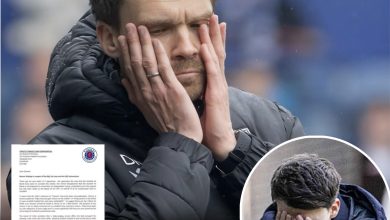
 Following Rangers FC’s disappointing loss to Heart of Midlothian FC, a heated debate has emerged over the performance of club captain James Tavernier, with pundits offering sharply divided opinions.
The controversy was sparked by comments from former striker and current analyst Chris Sutton, who did not hold back in his criticism of Tavernier. Speaking during coverage on Sky Sports, Sutton placed significant blame on the Rangers captain for both goals conceded during the match. In a particularly harsh assessment, he suggested that Tavernier lacked the necessary composure and instinct expected of a player in his position, even going as far as to question his mentality with a stinging remark about his “heart.”

However, the narrative quickly became more complicated when it was later pointed out that one of the goals Sutton attributed to Tavernier was, in fact, influenced by Andreas Skov Olsen. This revelation cast some doubt on the accuracy of Sutton’s analysis and added fuel to the growing backlash against his comments.
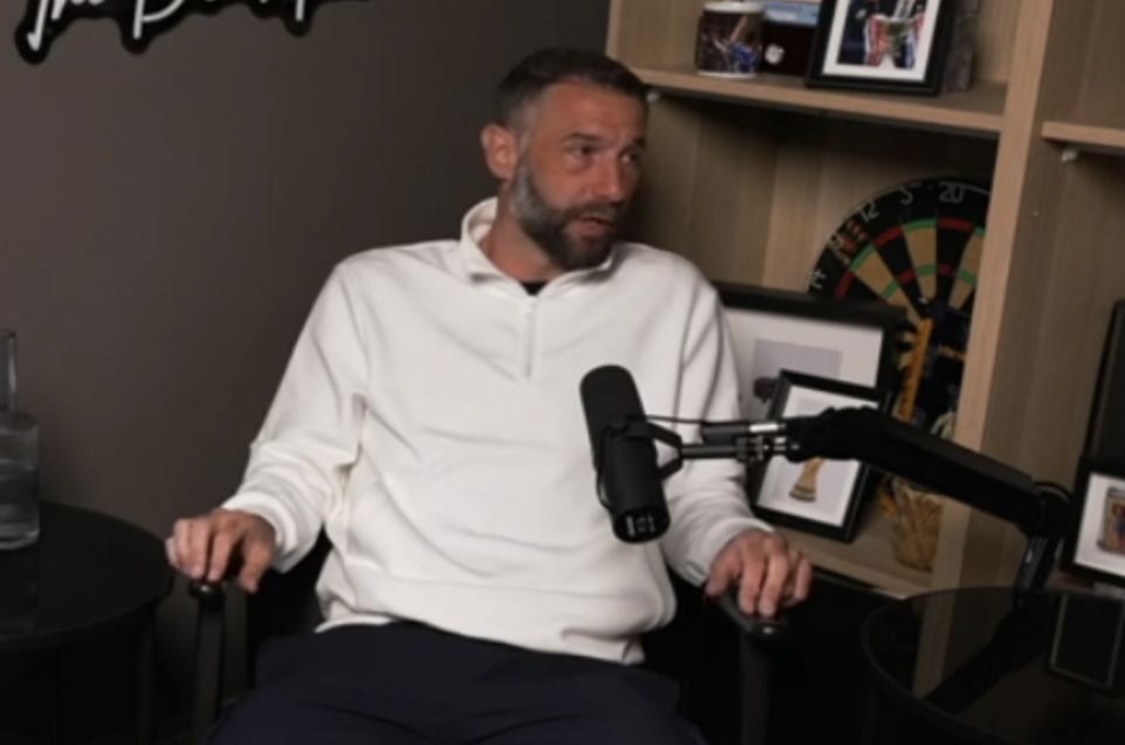
Among those strongly disagreed with Sutton’s viewpoint was former Rangers midfielder Kevin Thomson. Speaking on The Breakdown, Thomson defended Tavernier and criticized Sutton’s approach, describing the remarks as lacking respect and professionalism.

Thomson emphasized Tavernier’s long-standing contribution to Rangers, highlighting the captain’s remarkable record at the club. With over 550 appearances, close to 150 goals, and more than a decade of service, Tavernier has been a central figure in the team’s modern history. Thomson argued that such a level of commitment and output deserves a more balanced evaluation, rather than sweeping criticism based on a single performance.

While Thomson acknowledged that Tavernier is not without flaws particularly in defensive situations he stressed that it is overly simplistic to define a player solely by those shortcomings. He pointed out specific moments in the match where Tavernier could have done better, such as failing to stop a cross or losing aerial duels, but maintained that these issues should be analyzed constructively rather than used as ammunition for personal attacks.
The broader point made by Thomson was about fairness in football analysis. He suggested that pundits have a responsibility to provide insight without undermining the integrity or achievements of players, especially those who have demonstrated consistent dedication over many years. In his opinion, labeling Tavernier in such a dismissive manner ignores the bigger picture of what he brings to the team.
Importantly, Thomson is not alone in pushing back against Sutton’s remarks. Several voices within the football community have echoed similar sentiments, calling for a more measured and respectful discourse when evaluating players. The incident has sparked a wider conversation about the role of punditry in modern football whether it should prioritize sharp criticism for entertainment value or aim for deeper, more nuanced analysis.
As the debate continues, one thing is clear: Tavernier’s performance and Sutton’s reaction to it has become a talking point that extends far beyond a single match. It highlights the fine line between critique and criticism, and the importance of context when assessing players who carry both the responsibility and scrutiny that come with leadership at a club like Rangers.