Dunfermline fc captain Kyle Benedictus goes viral across Scotland after his post match comment following3-1 lost vs Celtic
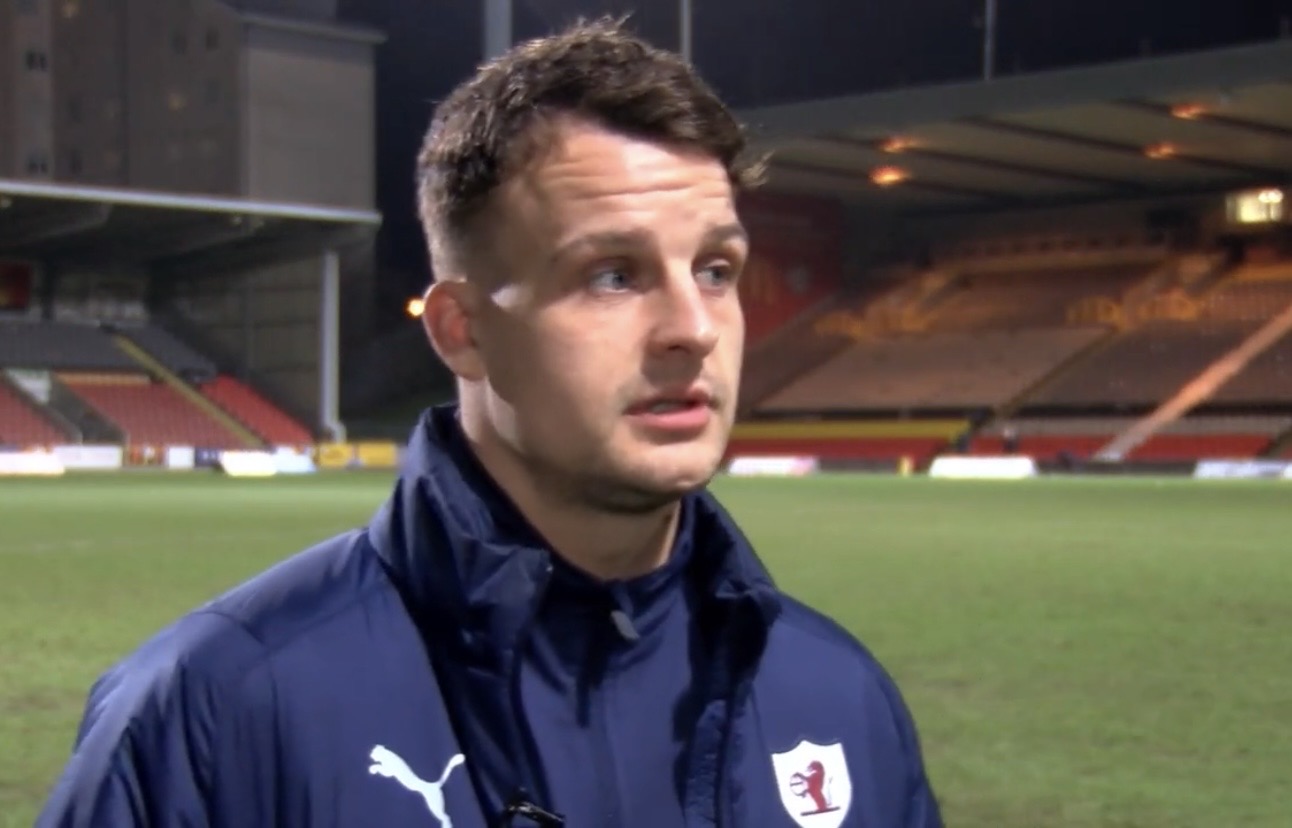
Following Dunfermline Athletic’s painful 3-1 defeat to Celtic F.C. in the Scottish Cup final at Hampden, few expected the biggest talking point of the evening to come not from the winning dressing room, but from the captain of the losing side. Yet within hours of the final whistle, Kyle Benedictus had become one of the most discussed names across Scottish football after an emotional and brutally honest post-match interview struck a chord with supporters nationwide.

Dunfermline had entered the final as clear underdogs against a Celtic side chasing another domestic double. Goals from Daizen Maeda, Arne Engels and Kelechi Iheanacho eventually secured a comfortable victory for the Glasgow giants, despite a spirited second-half response from the Pars and a late consolation goal from Josh Cooper.
But while Celtic celebrated another trophy, attention quickly shifted toward Benedictus and the raw interview he delivered moments after collecting his runners-up medal.
Standing pitchside, visibly exhausted and fighting back emotion, the Dunfermline captain praised his teammates for refusing to surrender despite the gulf in resources between the two clubs. What truly resonated, however, was his passionate defence of Scottish football outside the Premiership spotlight.
“We might not have the biggest budget, the biggest stadium, or the biggest stars,” Benedictus reportedly said. “But these boys gave everything for this club, for these fans, and for this town. Nobody in that dressing room should feel embarrassed tonight.”

Those comments immediately exploded across social media platforms, with clips of the interview rapidly shared by fans from clubs across Scotland including supporters of rival teams. Many praised Benedictus for showing humility, leadership and honesty in defeat.
The reaction reflected a wider appreciation for the journey Dunfermline had taken to reach the final. While Celtic’s dominance in Scottish football is expected, Dunfermline’s run to Hampden captured imaginations. The Championship side battled past higher-ranked opposition during the competition and arrived at the national stadium carrying the hopes of supporters who simply wanted to see their club compete with pride.
Benedictus embodied that spirit throughout the campaign.
The 34-year-old defender has long been regarded as one of the most respected captains in Scottish football. Having previously led Raith Rovers before joining Dunfermline, he has built a reputation as an old-school leader vocal, dependable and fiercely loyal to his teammates.
Against Celtic, he spent much of the afternoon organising a defence under relentless pressure. Even after falling two goals behind before halftime, Benedictus continued urging teammates forward, applauding tackles and encouraging younger players who looked overwhelmed by the occasion.
That leadership continued after the match.
Pundits on Scottish television praised the defender for refusing to hide behind clichés. Former players described the interview as “refreshingly human” at a time when many footballers rely on rehearsed answers and media training.
One former Scotland international described Benedictus as “the voice of every club outside the elite,” while fans online applauded the way he represented working-class football communities.
On X and TikTok, clips of the interview accumulated hundreds of thousands of views overnight. Supporters from Aberdeen, Hearts, Hibernian and even Celtic admitted they respected the honesty shown by the Dunfermline skipper.
For many neutrals, Benedictus’ words highlighted something deeper about Scottish football culture the emotional connection between clubs and their communities.
Dunfermline may have lost the final, but supporters left Hampden proud of their team’s effort. Thousands stayed behind after the trophy presentation to applaud the players, with Benedictus leading the squad toward the travelling support.
That image captain and fans united despite defeat quickly became symbolic of the evening.
Even Celtic supporters acknowledged the class shown by the Dunfermline captain. Many contrasted his composure and dignity with the bitterness often seen after major finals.
The interview also sparked debate about financial imbalance within Scottish football. Celtic’s squad value dwarfs that of Dunfermline, yet the Pars still managed to compete bravely for long periods during the second half. Benedictus’ comments reminded many supporters that football is about more than trophies and budgets.
As the clips continued spreading online into the night, one thing became clear: while Celtic lifted the cup, Kyle Benedictus won the respect of Scottish football.
Defeat can often define players negatively, but in this case it elevated a captain whose honesty and leadership resonated far beyond Dunfermline. In an era dominated by polished media appearances and carefully managed soundbites, Benedictus delivered something supporters rarely see anymore authenticity.
And across Scotland, people listened.