Steve Clarke responds calmly after Scotland’s friendly win over Bolivia as World Cup 2026 preparations continue Steve Clarke delivered a composed and controlled post-match message following Scotland national
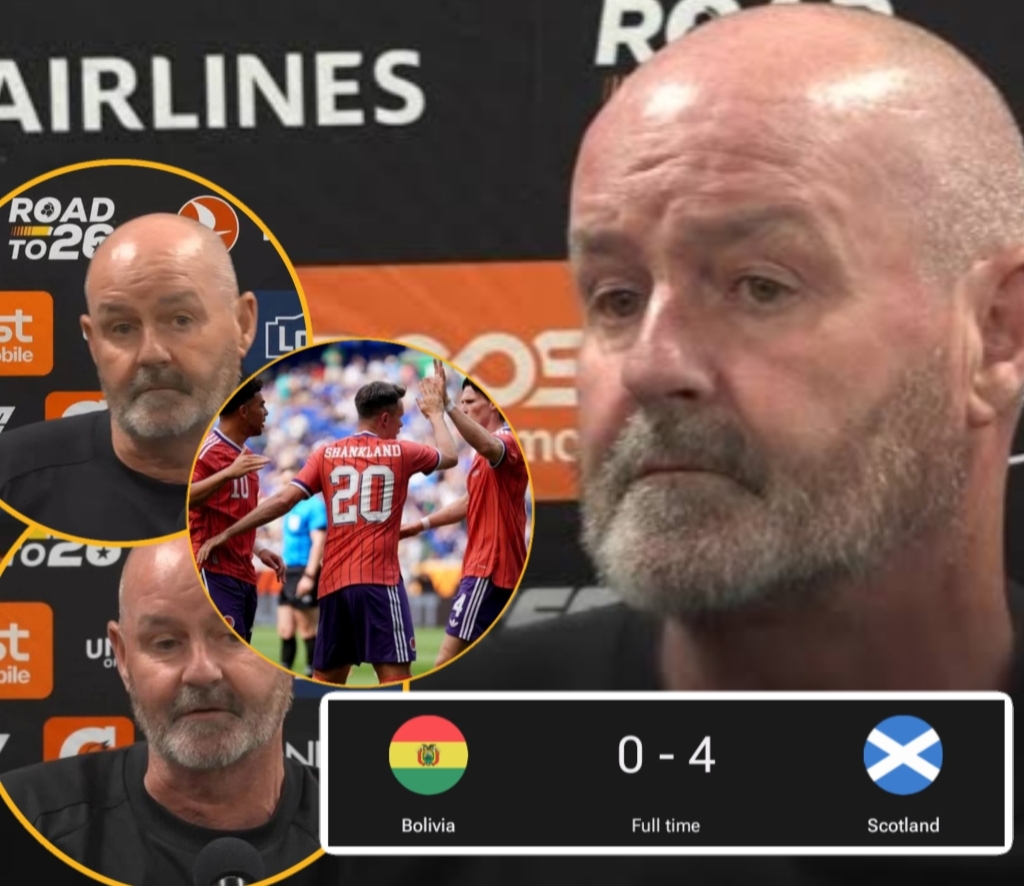
Steve Clarke delivered a composed and controlled post-match message following Scotland national football team’s friendly victory over Bolivia, as attention quickly shifted from the result on the pitch to broader questions surrounding expectations, pressure, and preparation ahead of the 2026 World Cup.
The match was part of Scotland’s ongoing international preparation schedule, with Clarke continuing to use friendly fixtures as an opportunity to assess tactical structure, player combinations, and squad depth. While the result added to a positive mood within the camp, the primary focus for the coaching staff remained on performance details rather than the scoreline.
Scotland produced a disciplined and structured display throughout the game, maintaining compact organisation both defensively and in midfield areas. The team showed periods of controlled possession, with clear attempts to build attacks through structured passing sequences rather than direct play. Clarke also rotated several players during the match, giving opportunities to different members of the squad as he continues to evaluate options ahead of a demanding international tournament.

The friendly was also used to test Scotland’s adaptability in different phases of play. At times, the team dropped into a deeper defensive shape, focusing on limiting space and preventing transitions from the opposition. In other moments, they pressed higher up the pitch, attempting to win the ball quickly and create attacking opportunities. These variations are part of Clarke’s broader tactical preparation as he looks to ensure Scotland can adjust to different opponents at World Cup level.

However, despite the focus on football during the match, the post-match discussion quickly shifted towards Scotland’s long-term expectations and performance standards on the international stage. Clarke faced questions about criticism of the team, squad selection decisions, and whether Scotland are prepared to compete against higher-ranked opposition at the World Cup.
In response, Clarke remained calm and measured, avoiding any sense of confrontation or emotional reaction. Instead, he delivered a set of clear and concise remarks that reinforced his approach and priorities as manager.
“I’m not here for noise. My job is to prepare the team.”
“Friendlies are about learning, not reacting to outside opinions.”
“We focus on what we can control the training ground and the performance.”
“There will always be talk, but it doesn’t change our direction.”
“Every game is part of a process as we build towards the World Cup.”
“We’re trying to improve step by step, not chase headlines.”
The tone of Clarke’s response reflected a consistent theme throughout his tenure as Scotland manager. Since taking charge, he has placed significant emphasis on structure, discipline, and long-term development rather than short-term reaction to individual results or external commentary. His leadership style has often been defined by stability and a clear sense of direction, particularly during periods of increased media attention.
Clarke’s comments after the Bolivia match reinforced this philosophy. Rather than engaging with speculation or allowing the narrative to drift towards pressure and expectations, he redirected focus back to internal processes. His message was clear: Scotland’s progress will be measured through training improvements, tactical consistency, and gradual development rather than public debate.

The friendly itself provided another opportunity for Scotland to continue building toward the World Cup. With qualification and preparation cycles demanding careful management of player workload and form, Clarke has increasingly relied on rotation and experimentation to ensure the squad remains both competitive and adaptable. Matches like this allow the coaching staff to assess how different players respond in various systems and under different tactical instructions.
Scotland’s performance reflected that ongoing process. While not every attacking move was fully polished, the structure of the team remained consistent throughout. Defensive organisation was largely stable, with players maintaining shape and discipline across the pitch. In midfield, there were attempts to control tempo and dictate phases of play, while wide areas were used to stretch the opposition and create space.
One of the key objectives for Clarke during this phase of preparation is ensuring depth within the squad. With the demands of tournament football requiring quick recovery between matches and the ability to adapt to different styles of opposition, Scotland must be able to rely on a broader group of players rather than a fixed starting eleven. The Bolivia fixture contributed to that evaluation process, offering minutes to players who may play important roles in the tournament.
As expectations continue to build ahead of the 2026 World Cup, scrutiny around Scotland’s performances is naturally increasing. Supporters and analysts are beginning to assess how far the team can progress, particularly in comparison to previous tournament cycles. However, Clarke has consistently maintained that external expectations will not influence internal planning or preparation methods.
Instead, his focus remains firmly on gradual improvement and clarity within the squad. He has repeatedly highlighted the importance of ensuring players fully understand their roles and responsibilities within the system, allowing the team to function cohesively regardless of opposition or match situation.
The message following the Bolivia match was consistent with that approach. Clarke’s brief but firm comments underlined his belief that Scotland’s development must remain steady and controlled, rather than shaped by outside pressure or reactionary criticism.
With the World Cup now drawing closer, Scotland will continue their preparation through upcoming fixtures, training camps, and tactical refinements. Each stage of the process will provide further opportunities for assessment and adjustment as Clarke moves closer to finalising his tournament squad.

For now, the focus remains unchanged. The result against Bolivia adds another step in Scotland’s preparation journey, but the overarching message from the manager is clear: the priority is not noise, speculation, or headlines it is building a team ready to compete when it matters most on the world stage.