DERMOT GALLAGHER STUNS SCOTLAND FANS WITH HIS VERDICT ON HAITI’S PENALTY APPEAL THAT WAS NOT GIVEN
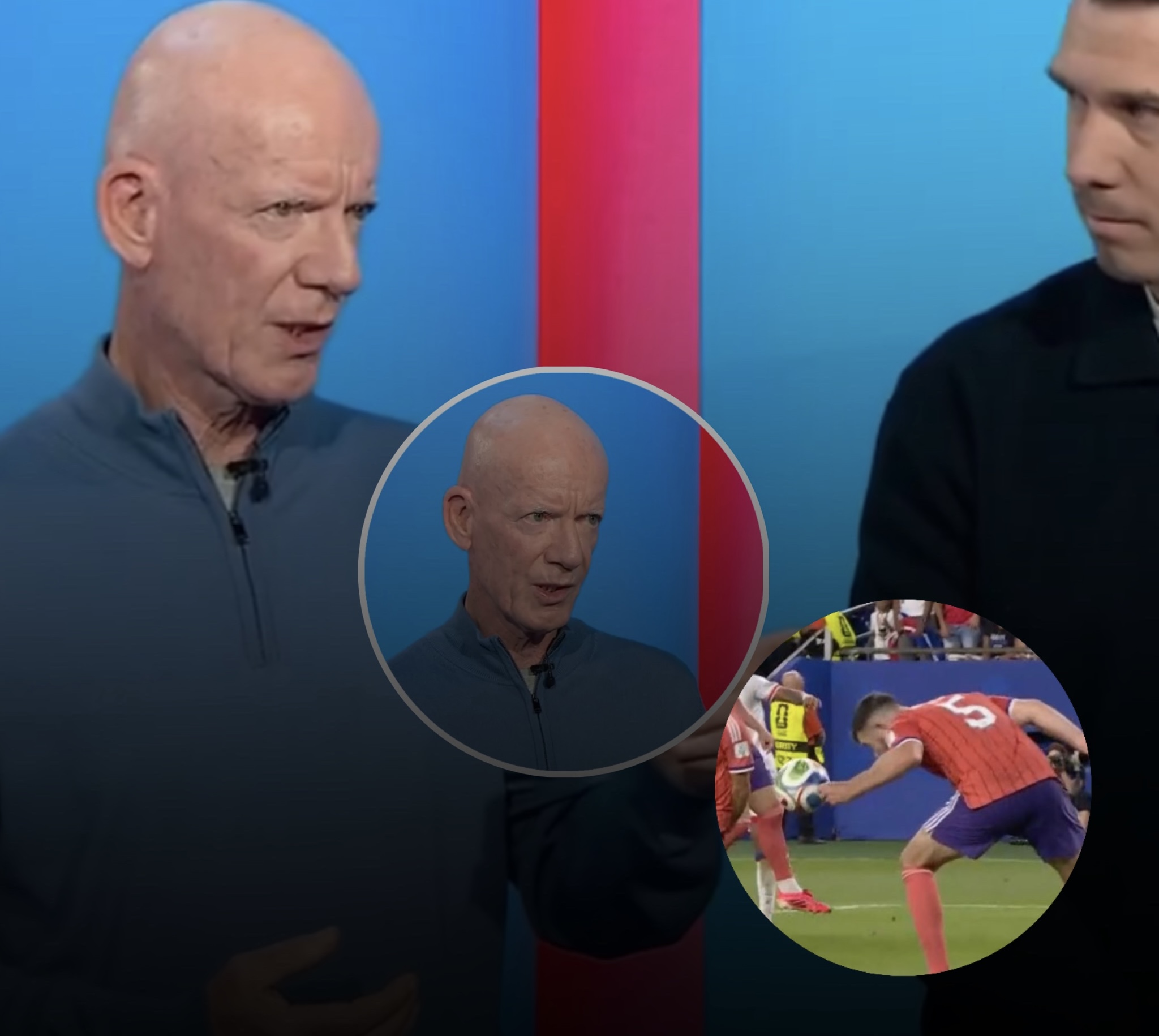
Scotland may have celebrated a priceless 1-0 victory over Haiti in their opening 2026 FIFA World Cup Group C match, but the biggest talking point after the final whistle was not John McGinn’s winning goal. Instead, attention quickly turned to a controversial penalty appeal from Haiti that has continued to divide fans, pundits and former officials.
The match, played in front of a packed crowd, saw Scotland secure all three points thanks to McGinn’s first-half strike. The result handed Steve Clarke’s side a dream start to their World Cup campaign and moved them into a strong position in Group C.
However, the victory was overshadowed by a key incident involving a Haiti penalty appeal that many supporters felt should have resulted in a spot-kick. Haitian players immediately protested after the incident, while fans online spent hours debating whether VAR should have intervened.
As the discussion intensified, former Premier League referee Dermot Gallagher was asked to assess the controversial moment and provide his expert opinion on the decision.
Gallagher’s verdict has since become one of the biggest stories to emerge from the match.

According to Gallagher,
“Having looked at the incident several times, I can completely understand why Haiti were so frustrated. From the angles available, there appears to be a strong case for a penalty, and I believe it was an incident that deserved much closer scrutiny than it received during the match.”

“The referee made his decision in real time, but this is exactly the kind of situation VAR is designed to assist with. Haiti will feel they were denied a major opportunity, and I don’t think many people would have complained had a penalty been awarded after a review. It’s certainly one of the most controversial decisions we’ve seen at the tournament so far.”
His assessment immediately sparked a fresh wave of debate across social media platforms, where supporters from both nations rushed to share their opinions.
For Haiti supporters, Gallagher’s comments appeared to confirm what they had been arguing since the final whistle.
Many felt the former referee’s analysis vindicated their belief that a crucial decision had gone against their team on football’s biggest stage.
Scotland supporters, meanwhile, defended the result and insisted that controversial decisions are part of football. Others argued that while the incident was debatable, there was not enough evidence for VAR to overturn the referee’s original call.
The controversy has become one of the most discussed moments of the tournament so far.
While Scotland celebrated a historic World Cup victory, Haiti were left wondering what might have happened had the decision gone their way.
The reaction online was immediate and intense.
Some supporters believed Haiti had been denied a golden opportunity to equalise and potentially change the entire outcome of the match.
Others pointed out that Scotland still had to defend well throughout the contest and deserved credit for their overall performance.
A number of fans took to social media to react to Gallagher’s verdict.
@HTIFootballNews: Gallagher just said what everyone was thinking.”
@WorldCupDaily: Haiti have every reason to feel hard done by.”
@TartanArmyLive: Three points are all that matter.”
@FootballZone247: VAR will be debated for days after this.”
@GlobalFootyHub: One decision changed the entire conversation.”
@MatchdayCentral: Haiti deserved a closer look from VAR.”
@ScotlandFansHQ: People are forgetting Scotland still won the game.”
@WorldCupUpdates: This will remain one of the biggest controversies of the group stage.”
The debate surrounding the incident also reignited wider discussions about the use of VAR at major international tournaments.

For many observers, the Haiti-Scotland incident has become another example of how football’s most advanced technology can still leave supporters with unanswered questions.
Gallagher’s analysis added further weight to those discussions because of his experience officiating at the highest level of the game.
His willingness to acknowledge Haiti’s frustrations ensured that the incident remained in the headlines long after the match ended.
Meanwhile, Scotland manager Steve Clarke was understandably focused on the result rather than the controversy.
His side collected three valuable points and now face the remainder of the group stage with growing confidence.
 Scotland’s players celebrated passionately after the final whistle, knowing how important a winning start could prove in their hopes of reaching the knockout stages.
For Haiti, however, the defeat was a painful one.
The Caribbean nation produced a spirited performance and caused Scotland several problems throughout the match. Yet they left the field with no points and lingering questions about the penalty appeal that has dominated post-match coverage.
The result leaves Group C finely balanced, with Scotland hoping to build momentum in their upcoming fixtures while Haiti attempt to bounce back and keep their qualification hopes alive.
Despite the excitement generated by McGinn’s winning goal, the match may ultimately be remembered as much for the refereeing controversy as for the football itself.
Gallagher’s verdict has ensured that the debate remains firmly in the spotlight, and supporters from both sides continue to argue passionately about whether Haiti should have been awarded a penalty.
As the World Cup progresses, new storylines and controversies will inevitably emerge. But for now, the discussion surrounding Haiti’s denied appeal remains one of the tournament’s most talked-about moments.
And while Scotland will happily accept the victory and move forward, Haiti supporters will continue to wonder whether a different refereeing decision could have changed ever