ROBBED. DR Congo Head Coach Tears In to FIFA and Referees After Painful World Cup Exit, Insists England Was Given Every Big Decision
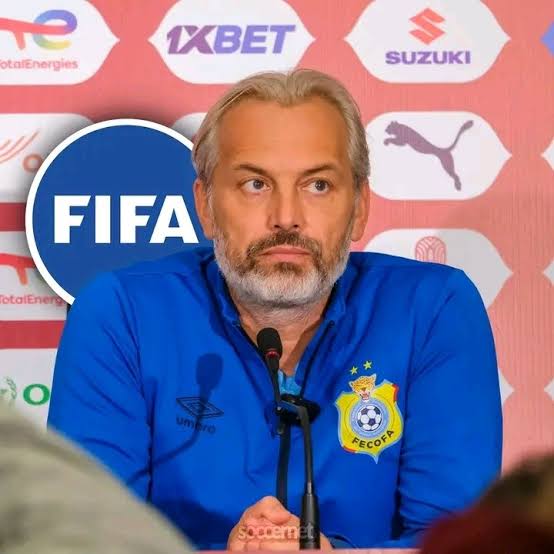
ROBBED. DR Congo Head Coach Tears Into FIFA and Referees After Painful World Cup Exit, Insists England Got Every Big Decision
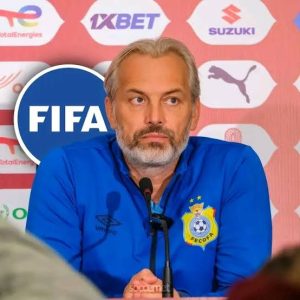
The dramatic Round of 32 clash between England and DR Congo ended in heartbreak for the African side, but the controversy did not stop at the final whistle. Instead, it escalated when DR Congo’s head coach launched a furious attack on FIFA and the match officials, claiming his team had been denied a fair chance on the biggest stage.
Speaking after the narrow 2-1 defeat to England, the coach refused to hide his frustration, insisting that several crucial decisions consistently went in England’s favor. While congratulating England on reaching the Round of 16, he argued that the officiating had a major influence on the outcome and left his players feeling robbed.

“We fought with everything we had,” he reportedly said. “But when every important decision goes one way, it becomes almost impossible to compete. I feel for my players because they deserved much more.”

Throughout the match, DR Congo showed remarkable determination, matching England for long periods despite entering the contest as underdogs. They defended bravely, attacked with confidence, and even looked capable of forcing extra time before England eventually secured the decisive goal.
However, the DR Congo bench became increasingly animated over several contentious moments. Appeals for fouls were waved away, while similar challenges appeared to be awarded in England’s favor. The coach claimed these incidents gradually shifted the momentum and affected his players psychologically.
The strongest criticism came when discussing the referee’s overall consistency. According to the DR Congo boss, his side was judged by a different standard throughout the match.
“It wasn’t just one decision,” he explained. “It was the pattern. Every 50-50 situation seemed to go to England. Those small moments decide World Cup matches.”
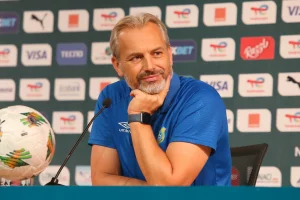
The comments immediately sparked widespread debate among football supporters. Many DR Congo fans flooded social media, arguing that several controversial calls deserved further review, while England supporters countered that their team earned the victory through superior finishing and experience.
Football analysts also weighed in, with some acknowledging that a few refereeing decisions could have been interpreted differently. Others insisted there was no clear evidence that the officials directly changed the final result, pointing instead to England’s ability to capitalize on their opportunities.
Despite the disappointment, the DR Congo coach praised his players for their courage and commitment throughout the tournament. He described the campaign as a significant step forward for Congolese football and urged his squad not to let the painful exit define them.
“I’m incredibly proud of every player,” he said. “They represented our country with passion, discipline, and belief. The result hurts, but the future of this team is very bright.”
Several players echoed their manager’s sentiments after the match, admitting they were devastated by the elimination but determined to use the experience as motivation. Many believed DR Congo had proved they belonged among the world’s best after producing competitive performances throughout the tournament.
Attention has also turned toward FIFA, with supporters calling for greater consistency in refereeing and wider use of technology to minimize controversial decisions in knockout matches. Although no official complaint had been confirmed immediately after the game, debate surrounding the officiating is expected to continue for days.
For England, the victory keeps their World Cup dream alive as they prepare for a difficult Round of 16 showdown. While celebrations continue in the England camp, they know tougher challenges lie ahead against stronger opposition.
For DR Congo, the tournament ends in heartbreaking fashion. Instead of celebrating a historic upset, the focus has shifted to questions surrounding refereeing decisions and whether the African side was denied a fair opportunity to progress.