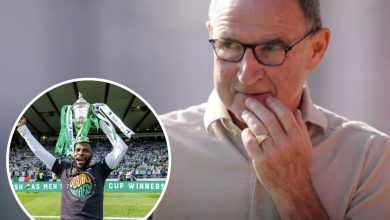
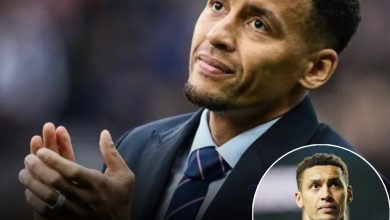
JUST IN: RANGERS BOSS DEREK McINNES HIT WITH TOUCHLINE BAN AFTER EXPLOSIVE CELTIC PENALTY OUTBURST – SCOTTISH FA MAKES FINAL DECISION
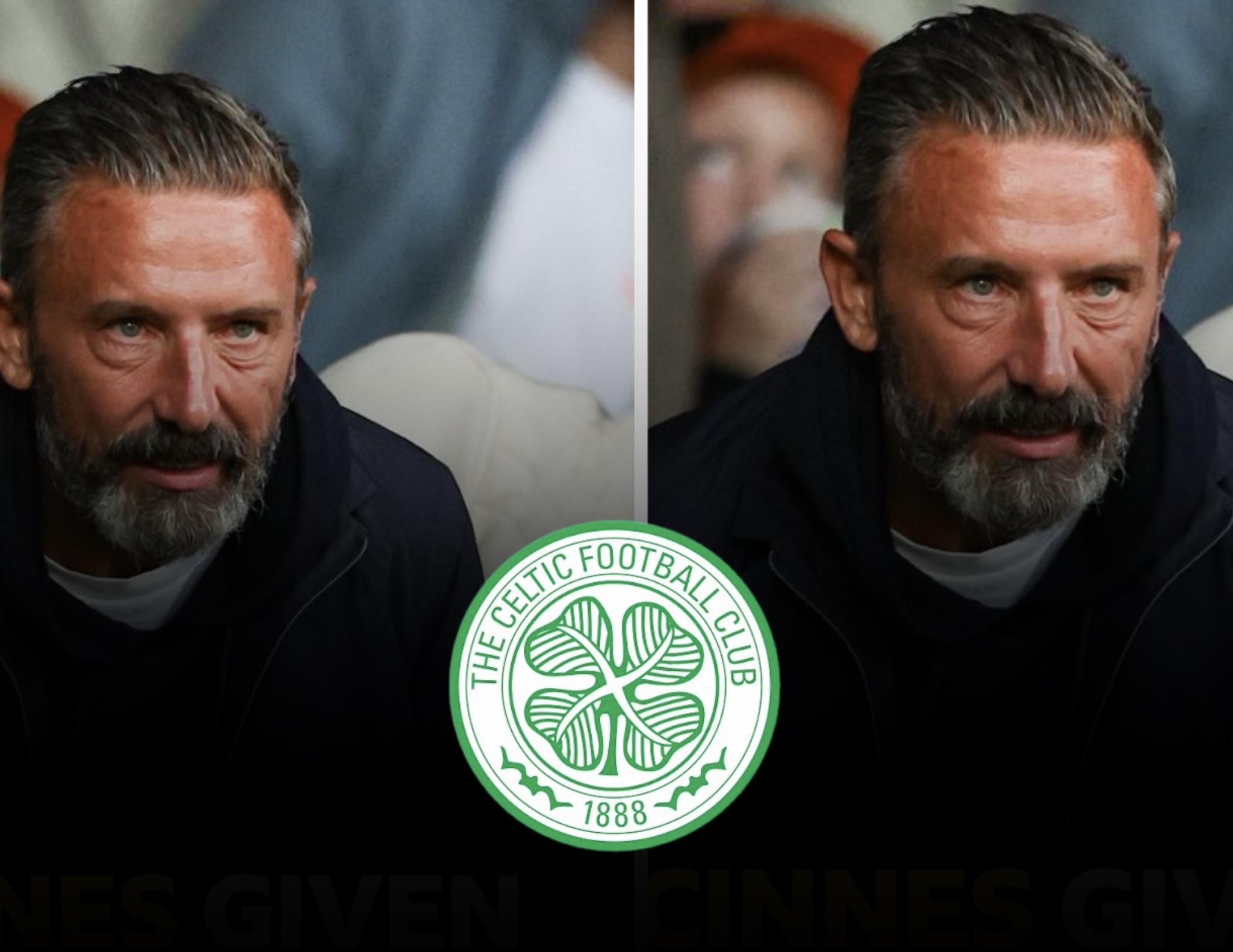
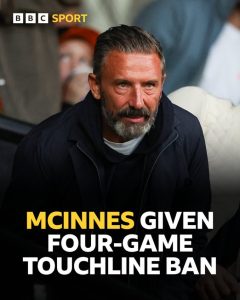
Rangers manager Derek McInnes has officially been handed a four-match touchline ban by the Scottish Football Association SFA, with one of those matches suspended, following disciplinary proceedings linked to comments he made after one of the most controversial moments of last season’s Scottish Premiership title race.
The decision means McInnes will be absent from the touchline for Rangers’ opening domestic fixtures of the new campaign, although the suspended match will only be activated if he commits another similar disciplinary offence before the end of the 2026/27 season. Reports indicate that three games will be served immediately, while he remains eligible to take charge of Rangers in European competition during the suspension.
The punishment has immediately become one of the biggest talking points in Scottish football, with Rangers supporters questioning the consistency of disciplinary action, while rival fans argue that the governing body had little choice after the nature of McInnes’ remarks.
The controversy dates back to the dramatic Scottish Premiership encounter between Motherwell and Celtic in May. Celtic secured a dramatic 3-2 victory thanks to a stoppage-time penalty after referee John Beaton was advised by VAR official Andrew Dallas to review a potential handball involving Motherwell defender Sam Nicholson.
The decision proved decisive in the title race, allowing Celtic to remain within touching distance before the final day of the season. The incident immediately divided opinion across Scottish football, with supporters, pundits and former players debating whether the spot-kick should ever have been awarded.

The reason for McInnes’ ban became central to today’s disciplinary outcome.
While still Hearts manager, McInnes publicly described the late penalty decision as “disgusting” and suggested that it felt like his side were “up against everybody.” The SFA concluded that those comments breached its disciplinary rules governing public criticism of match officials, particularly remarks considered capable of questioning the integrity or impartiality of referees. According to reports from the disciplinary hearing, the governing body ruled that the comments crossed the line set out under Rule 72, resulting in the four-match touchline suspension, with one game suspended until the end of the current campaign.
McInnes reportedly defended himself during the hearing by pointing to previous cases involving other high-profile figures who had criticised officiating but avoided similar punishment. His legal argument centred on consistency in disciplinary decisions, though the panel ultimately ruled against him.
Ironically, the same Motherwell-Celtic incident has already led to further disciplinary action elsewhere. Motherwell midfielder Elliot Watt also received a four-match suspension after describing the incident as “the worst VAR decision in history,” while Motherwell themselves were fined over material released following the controversy.
The original penalty itself remains one of the defining moments of last season. McInnes had argued immediately after the match that Motherwell had every right to feel aggrieved and questioned how officials could have reached such a conclusion after the VAR review. Those comments quickly spread across social media and became one of the biggest football stories in Scotland.
Rangers now face the challenge of beginning the domestic campaign without their manager in the technical area, forcing his coaching staff to oversee proceedings from the dugout during the suspension. While McInnes can continue preparing the team throughout the week, matchday responsibilities on the touchline will temporarily fall to his assistants.
The decision has also reignited wider debate over freedom of expression in football and whether managers should face sanctions for criticising refereeing decisions after highly emotional matches. Some observers believe stronger protection for officials is essential, while others argue managers should be allowed greater freedom to express frustration following controversial incidents.
Across social media, supporters wasted no time making their opinions known.
@BlueLoyal1872: “Three games straight away for speaking his mind? Scottish football has completely lost the plot.”
@IbroxFaithful: “Whether you agree with Derek or not, managers should be allowed to question huge decisions.”
@HoopsForever67: “Rules are rules. If you publicly accuse officials of bias, there have to be consequences.”
@ScottishFootyTalk: “This story isn’t ending anytime soon. Every referee decision involving Rangers will now be under the microscope.”
@FootballPulse: “One of the biggest talking points before the season has even started.”
@GersWorldwide: “McInnes will only become more determined after this.”
@ParkheadVoice: “The punishment was expected after those comments.”
@NeutralFootballHQ: “Whether you’re Rangers or Celtic, everyone will now be debating where the line should be drawn.”
Although opinions remain sharply divided, one thing is certain: Derek McInnes’ disciplinary case has ensured the new Scottish football season begins amid major controversy. The spotlight will now follow every Rangers fixture during his suspension, while discussions over refereeing standards, VAR decisions and disciplinary consistency are unlikely to disappear anytime soon.
With Rangers preparing for an important domestic campaign under new leadership, McInnes will hope his absence from the technical area does not disrupt the team’s momentum. However, the SFA’s decision has already guaranteed that one of Scottish football’s biggest managerial appointments will start under intense scrutiny, ensuring this story remains at the centre of attention long after the first whistle of the new season.