CELTIC FC LEFT ASHAMED, COULDN’T RESPOND AFTER SEBASTIAN HOENESS DROPS CONTROVERSIAL PRE-MATCH COMMENTS AHEAD OF THE CRUCIAL EUROPA CLASH
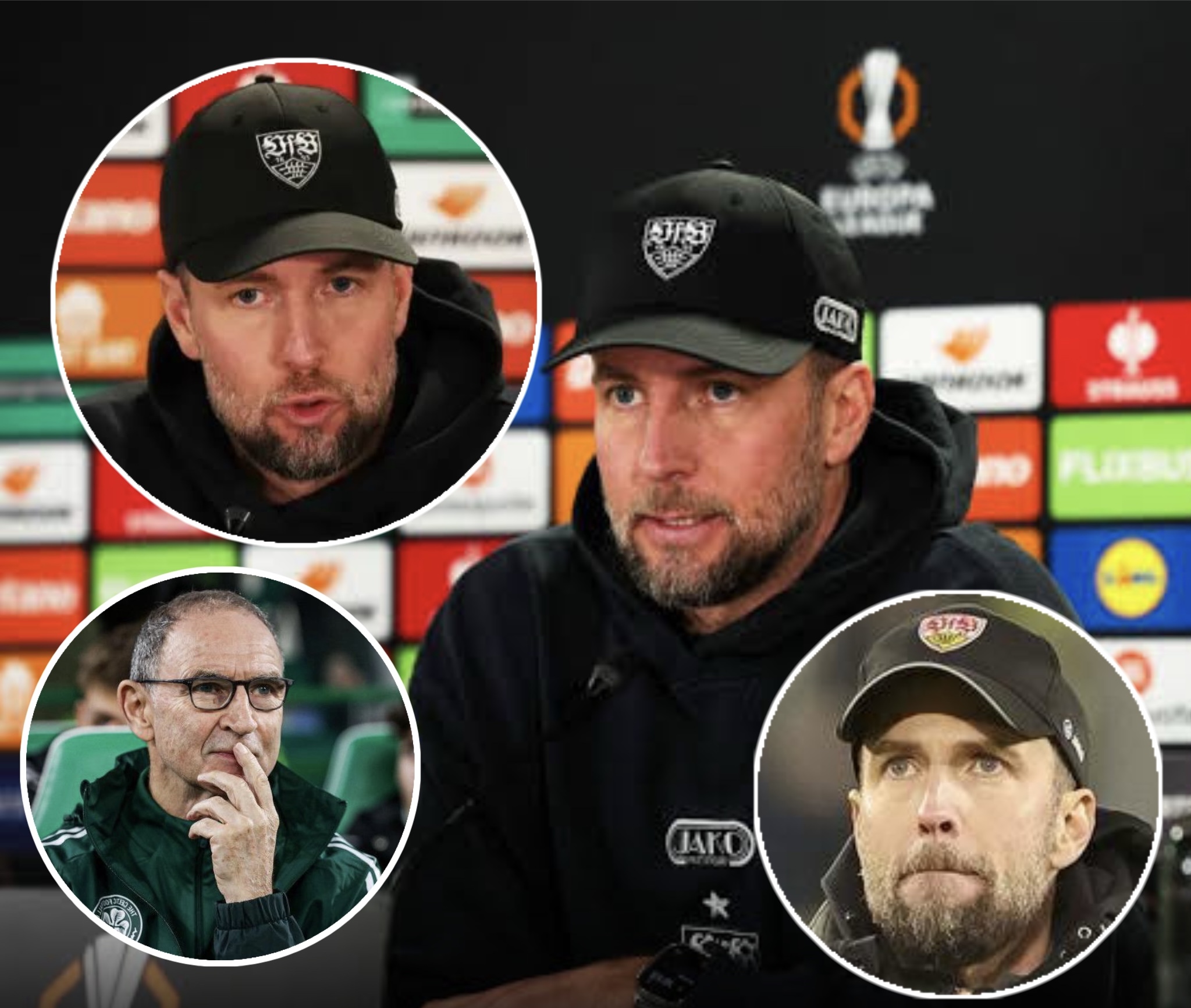
The build up to the crucial Europa League encounter took a dramatic turn as VfB Stuttgart head coach Sebastian Hoeneß delivered a press conference that has since dominated headlines in both Germany and Scotland.
What was expected to be a routine pre match media briefing quickly escalated into controversy after Hoeneß offered blunt assessments of Celtic Park and made comments comparing Scotland’s two Glasgow giants, remarks that many Celtic supporters have described as disrespectful.
Speaking at Stuttgart’s training base before travelling to Glasgow, Hoeneß was asked about the challenge of playing at Celtic Park, widely regarded as one of Europe’s most atmospheric stadiums. Rather than offering the usual diplomatic praise, the German coach delivered a measured but pointed response.
“I have seen many stadiums described as intimidating,” he said. “Atmosphere is important, but in modern football it does not win matches on its own. We focus on structure, tempo, and discipline. The pitch dimensions are standard. The crowd cannot score goals.”

That statement alone sparked immediate reaction online. However, the most contentious moment came minutes later when Hoeneß was asked about Scottish football more broadly and which team he believes carries the greater European threat.
“In recent years,” he replied, “Rangers FC have perhaps built the stronger international reputation. They have gone deeper in European competitions. Historically and recently, they are perceived as very difficult opponents.”
While he did not directly diminish Celtic’s history, the implication that Rangers are perceived as very difficult opponents, and by extension Scotland’s most feared side, quickly ignited debate.
Clips of the press conference circulated rapidly across social media, with many Celtic supporters interpreting the comments as a slight on both the club and Celtic Park’s famed European aura. Fan forums and radio phone ins were dominated by discussion throughout the evening.
For many within the Celtic fanbase, the suggestion that Rangers carry the greater European fear factor cuts deep. Celtic’s own continental legacy includes a proud history of iconic nights in Glasgow, and supporters see Celtic Park as central to that identity.
Hoeneß did attempt to clarify his stance during the same briefing.
“I respect Celtic’s tradition,” he added. “But fear is not something we prepare for. We prepare for tactical challenges, not myths.”
That final phrase further inflamed sentiment. To some, it sounded like a dismissal of the psychological edge Celtic Park is believed to provide on European nights.
Within hours, Scottish pundits weighed in. Some argued that Hoeneß was simply engaging in calculated mind games, deliberately shifting pressure toward the home side. Others suggested he may have underestimated the cultural significance of his remarks in a city where the rivalry between Celtic and Rangers is intense and deeply rooted.
Notably, Celtic representatives declined to respond directly when asked about the Stuttgart manager’s statements. The club’s media session remained focused on preparation, fitness updates, and tactical readiness. That restraint has been interpreted by some observers as strategic silence, allowing the atmosphere inside Celtic Park to deliver any response.
From Stuttgart’s perspective, Hoeneß’s comments may reflect confidence rather than provocation. Under his leadership, the Bundesliga side have shown composure in high pressure fixtures. Emphasizing tactical order over atmosphere aligns with his coaching philosophy.
Yet context matters.
European nights in Glasgow are rarely framed purely in tactical terms. The narrative surrounding Celtic Park is built on decades of emotionally charged performances, dramatic results, and hostile receptions for visiting teams. By questioning the decisive impact of that atmosphere and elevating Rangers’ recent European record, Hoeneß stepped into sensitive territory.
Whether intentional or not, the press conference has added an extra psychological layer to the fixture. Players are unlikely to admit being influenced by such remarks publicly, but supporters have made their feelings clear.
As the teams prepare to walk out under the floodlights, the focus will inevitably return to football. Tactical shape, pressing intensity, and clinical finishing will determine the result.
But long before kickoff, the storyline has already been shaped by words spoken on 18 February, words that have ensured this Europa League clash carries more than just competitive stakes.
When the noise rises inside Celtic Park, it will not simply be about the match. For many in Glasgow, it will be a response.