Despite winning 2–0, Gian Piero Gasperini criticized Rangers FC and their supporters for their behavior at Ibrox Stadium, calling them “football thugs.”
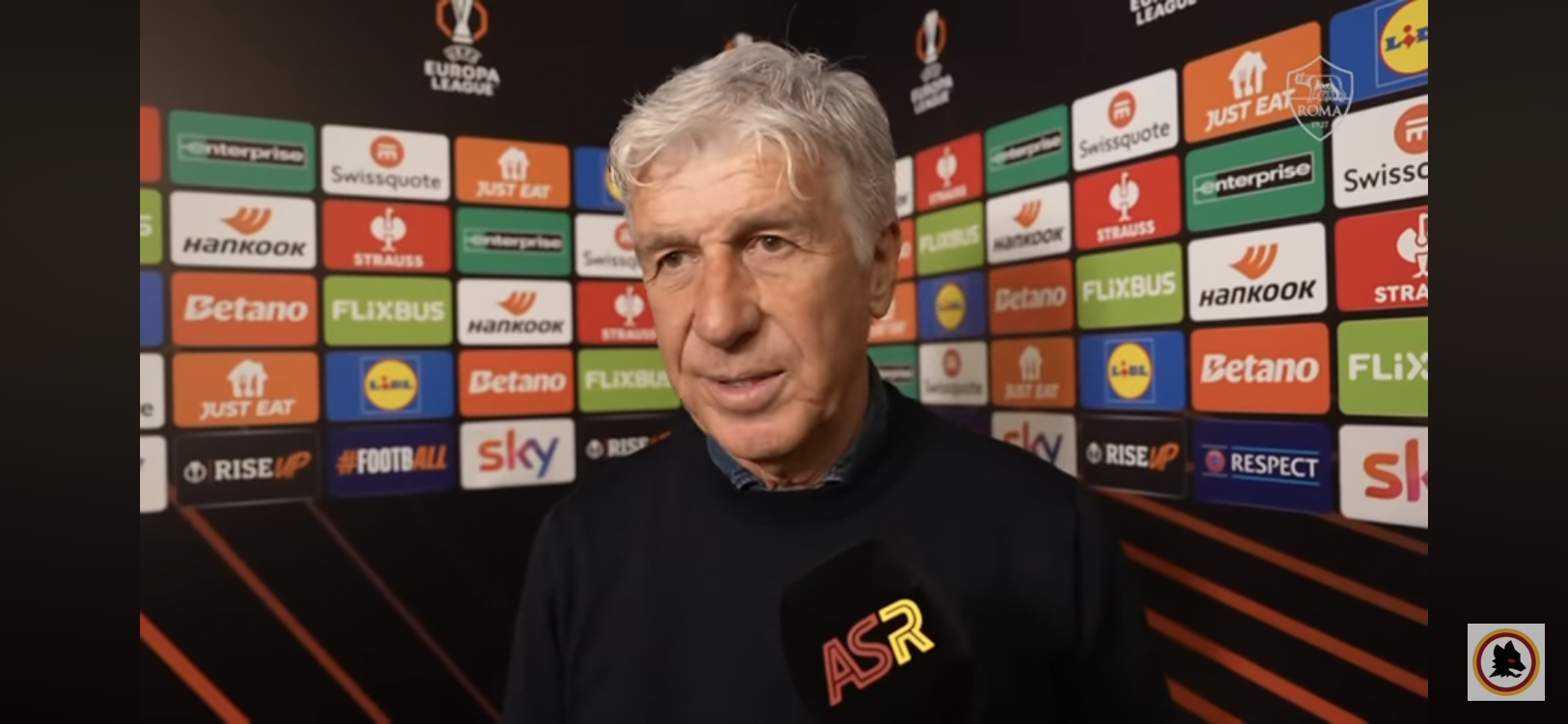
Social media exploded with reactions following the release of the translated interview of Roma coach Gian Piero Gasperini, who criticized Rangers FC and their supporters after his team’s 2-0 victory at Ibrox Stadium.

The Italian coach’s harsh comments, which also included labeling Ibrox Stadium as the “worst” his team has ever played in, have sparked widespread outrage among Rangers fans and reignited debates about fan behavior and football culture.
A Post-Match Interview That Sparked Fury
Despite Roma’s commanding 2-0 win over Rangers in a high-stakes European fixture, Gasperini chose to focus his post-match remarks on the behavior of the Rangers players and their supporters.
THE ITALIAN VERSION
“Sono rimasto profondamente deluso dal comportamento dei giocatori del Rangers e dei loro tifosi. Il livello di ostilità e aggressività che abbiamo incontrato a Ibrox è stato inaccettabile e oltre il normale sostegno appassionato.
Nonostante ciò, abbiamo conquistato i punti e non sono sorpreso, dato il nostro preparazione e concentrazione. Francamente, posso solo descriverli come teppisti del calcio. Ibrox è lo stadio peggiore in cui la mia squadra abbia mai giocato, più intimidatorio in senso negativo di qualsiasi altro campo. Questo tipo di ambiente rende molto difficile giocare per qualsiasi squadra in trasferta.”

TRANSLATED VERSION

“I was deeply disappointed by the behavior of Rangers players and their fans. The level of hostility and aggression we encountered at Ibrox was unacceptable and went beyond passionate support.
Though we secured the points and I’m not surprised given our preparation and focus. Frankly, I can only describe them as football thugs. Ibrox is the worst stadium my team has ever played in more intimidating in a negative sense than any other venue. This kind of environment makes it very difficult for any visiting team to perform.”
The translated version of his interview quickly circulated online, causing a backlash among Rangers supporters who viewed the comments as an unfair attack on the club and its passionate fanbase.
Rangers Fans Respond with Outrage
On Twitter, fan forums, and Facebook groups, Rangers supporters expressed disbelief and anger at the description of their home ground and fellow fans. Many defended the club’s rich history and the passionate atmosphere at Ibrox Stadium.
“This is disrespectful and uncalled for,” wrote one fan on Twitter. “Ibrox is a fortress, known for its amazing atmosphere and dedicated fans. To call us ‘football thugs’ is just insulting.”
Another fan commented on a popular football forum, “We are passionate supporters, yes, but the vast majority of us are peaceful. This kind of rhetoric only stokes division and misunderstanding.”
Others highlighted the proud traditions of Rangers FC and its supporters, pointing out the club’s long-standing reputation for passionate, but largely respectful, fandom.
The History Behind Ibrox’s Reputation
Ibrox Stadium, one of Scotland’s oldest and most iconic football venues, is famous for its intense and electric atmosphere during matches. The noise and fervor from Rangers fans have long been regarded as some of the most intimidating in European football.
However, the stadium has also experienced incidents in the past where fan behavior crossed the line, contributing to a sometimes volatile reputation. Isolated episodes of violence and disorderly conduct have led to discussions about fan culture at Ibrox and across football more broadly.

Gasperini’s labeling of Rangers fans as “football thugs” taps into this sensitive history, sparking renewed debate about the balance between passionate support and unacceptable behavior.
The Coach’s Perspective
From Gasperini’s viewpoint, his comments reflected frustration over what he perceived as an aggressive and hostile environment that went beyond normal sporting rivalry. Sources close to the coach say he felt his players were subjected to intimidation that impacted their experience on the pitch.
“It’s important to call out behavior that intimidates and threatens,” Gasperini told reporters following the backlash. “We respect the game and the fans, but enthusiasm should never turn into aggression.”
Despite the storm his remarks have caused, Gasperini has not retracted or apologized for his statements, standing by his description of the events at Ibrox.
Impact on Club Relations and Future Matches
The controversy threatens to cast a shadow over future encounters between Roma and Rangers. Club officials from both sides have attempted to calm tensions, urging fans and media to focus on the football rather than personal attacks.
Security measures and crowd management at Ibrox are likely to be under increased scrutiny in upcoming matches to avoid further incidents and negative publicity.
This incident highlights ongoing challenges in managing football fan culture worldwide. The term “football thugs” has long been associated with hooliganism, violence, and disorderly conduct at football matches. Yet many fans reject the label, arguing it unfairly stereotypes passionate supporters.

Football authorities and clubs face the difficult task of encouraging vibrant atmospheres while cracking down on unacceptable behavior. This balance is crucial for maintaining the sport’s integrity and ensuring the safety of players, officials, and fans alike.
The differing football cultures across Europe can sometimes lead to misunderstandings or misinterpretations of fan behavior. What may be seen as passionate support in one country could be perceived as aggressive intimidation in another, complicating how teams and fans interact during international competitions.
Gian Piero Gasperini’s pointed criticism of Rangers FC and their fans following Roma’s 2-0 victory at Ibrox Stadium has opened a heated debate over football fan behavior, stadium atmosphere, and sportsmanship. While the Italian coach’s comments have enraged many Rangers supporters, they have also shone a spotlight on the complexities of managing passion and decorum in football.