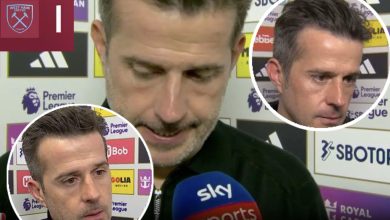
He Was Destroying Us” Keith Andrews Praises West Ham Star but Questions Nuno Espírito Santo for Early Substitution in FA Cup Clash with Brentford, Despite Dramatic Penalty Shootout Loss.
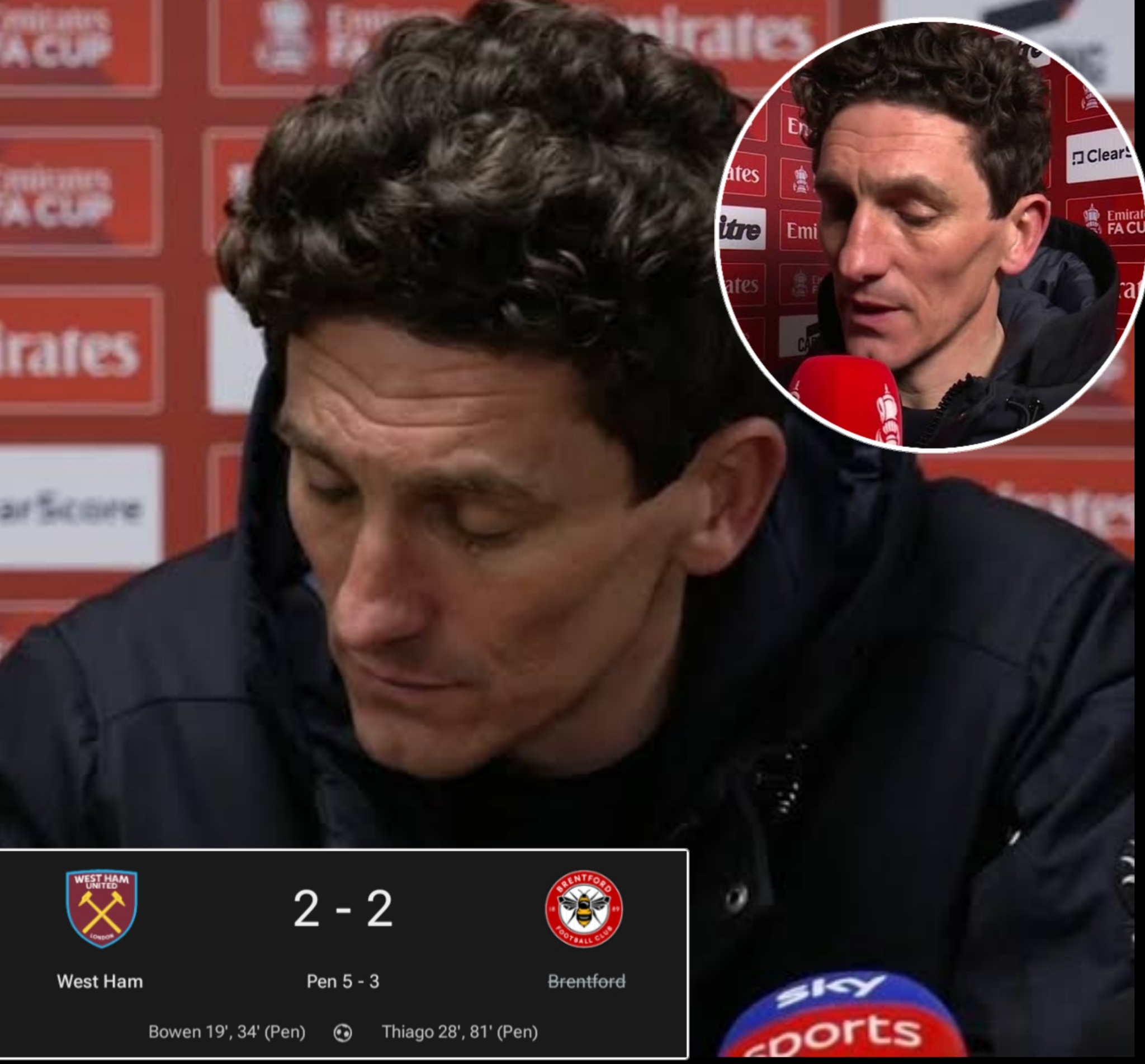
The FA Cup has always been a competition full of drama, unpredictability, and moments that spark debate among fans, pundits, and even managers themselves. The recent clash between West Ham United F.C. and Brentford F.C. delivered exactly that. From the opening whistle, both teams played with intensity, each determined to take control of a match that promised to be tightly contested.
The first half was a test of patience, discipline, and adaptability, particularly for Brentford. West Ham immediately showed their attacking intent, forcing the home team to react quickly to deal with constant pressure. The flow of the game shifted repeatedly, with both sides creating moments that could have opened the scoring. Yet the real talking point of the match didn’t come from a goal or a missed chance — it came from a managerial decision that caught many off guard.

Brentford manager Keith Andrews later praised a West Ham player whose presence had caused serious problems for his defense. According to Andrews, the player had been a relentless force, constantly threatening Brentford’s back line and creating opportunities that demanded immediate attention.
“He was destroying us at times,” Andrews said after the match. “Every time he picked up the ball, he was driving forward and putting our defenders under immense pressure. We had to constantly adjust our shape because of him.”

The West Ham attack in the first half highlighted the importance of pace, directness, and creativity in high-stakes knockout matches. Brentford’s defense found themselves repeatedly forced to make quick decisions, often leaving gaps elsewhere in the pitch. Andrews explained that his team had to adjust their defensive shape repeatedly just to cope with the threat, and yet the player continued to influence the game in every attack.
Then came the moment that would dominate post-match discussions: the substitution at halftime. The player in question was Adama Traoré, known for his blistering pace, dribbling, and ability to break defensive lines. Traoré had been a constant menace in the first half, frequently taking defenders on, creating space, and testing Brentford’s resilience. His influence was undeniable, and many expected him to remain on the pitch to continue his pressure.

However, Nuno Espírito Santo made the bold decision to substitute Traoré at halftime, replacing him as part of a broader tactical adjustment intended to introduce fresh energy and maintain balance in the team. While substitutions are a normal part of any match strategy, this one stood out due to the player’s dominance before being taken off.
“Honestly, when I saw him coming off, I was a bit surprised,” Andrews admitted. “A player performing like that and causing so many problems usually stays on the pitch to continue influencing the game.”
The substitution temporarily changed the flow of the match. Without the continuous threat of Traoré running at their defense, Brentford were able to regain some composure and attempt to reorganize their defensive structure. Yet West Ham maintained enough attacking threat to keep the game competitive, and both sides continued to create opportunities, leaving the match balanced as it headed toward the final minutes.
Ultimately, the encounter was decided in a dramatic penalty shootout, with West Ham emerging victorious. While the shootout added the tension typical of FA Cup knockout games, Andrews’ reflections highlighted that Traoré’s early substitution had been a pivotal moment in the match narrative.
“Even though he came off, his performance had already forced us to rethink our defensive approach,” Andrews said. “One substitution can change momentum, but you can’t ignore the impact he had while he was on the pitch.”
Nuno Espírito Santo defended his choice after the game, noting that it was part of a tactical plan designed to maintain overall team balance and manage the physical demands of such a high-intensity match. In knockout competitions like the FA Cup, managers are constantly weighing risk and reward one decision can either protect a lead or allow the opposition to gain an advantage.

Matches like this underline just how fine the margins are in football. A single substitution, one tactical tweak, or even a momentary lapse in concentration can dramatically affect the outcome. Fans, analysts, and social media immediately debated the halftime decision: some praised Nuno for his tactical acumen, while others questioned why a player who had been dominating was removed so early.
For Brentford, Andrews’ reaction combined respect and relief. He recognized the skill and influence of Traoré while also acknowledging the tactical change gave his team a slight reprieve.
The FA Cup tie serves as a reminder of football’s unpredictability. While the penalty shootout loss was undoubtedly heartbreaking for Brentford, the story of the early substitution and the player’s first-half dominance is likely to be remembered long after the final whistle.
Even with West Ham advancing to the next round, the match provided a wealth of discussion points: a high-intensity first half, a substitution that left both sets of fans debating, and the drama of a penalty shootout. These moments exemplify why the FA Cup remains one of the most exciting and talked-about competitions in football.
In the end, the game highlighted both the brilliance and the gamble of managerial decisions. A single substitution, like that of Adama Traoré at halftime, can influence not just the flow of a match, but also the conversations that follow a testament to the razor-thin margins in knockout football and the intensity that makes the FA Cup so thrilling.