“I Don’t Like to Talk About Referees, But I Must Say This Is Not Right” – Daniel Farke Questions Officials’ Decisions After Manchester United Draw.

Leeds United manager Daniel Farke did not hide his frustration with match officials after his side played out a spirited 1–1 draw with Manchester United at Elland Road on Sunday in the English Premier League. While the result maintained Leeds’ impressive unbeaten run, Farke’s post‑match comments suggested that a number of key refereeing decisions left him exasperated and questioning how certain moments were handled.
The contest itself was a compelling affair, full of energy and competitive intensity from start to finish. Neither side could claim complete control, and both found opportunities to take the initiative, but ultimately it was Leeds and Manchester United who shared the spoils in a result that reflected the balance of the game.
A Clash of Styles and Momentum
From the opening whistle at Elland Road, Leeds set the tone with an energetic performance marked by high pressing and well‑organised build‑up play. The home side created one of the clearest first‑half opportunities when Dominic Calvert‑Lewin headed over the bar and struck the post in what was a lively but otherwise goalless opening period.
Manchester United, for their part, offered threatening moments of their own. A first‑half goal from Matheus Cunha was ruled out for offside, and Ruben Amorim’s side showed flashes of attacking intent despite being pegged back at times by Leeds’ pressure.
It was only in the second half that the deadlock was broken. In the 62nd minute, American midfielder Brenden Aaronson seized on a loose ball and coolly fired home to give Leeds the lead in front of an ecstatic home crowd.
But Leeds’ advantage lasted just three minutes. Substitute Joshua Zirkzee cleverly picked out Cunha with a precise pass, and the Brazilian forward made no mistake in slotting home to restore parity for the visitors, setting up a frenetic final half‑hour of action.
Refereeing Decisions Under the Microscope
Despite the entertaining nature of the contest, much of the post‑match discussion among fans and pundits alike has centred on refereeing decisions that many feel impacted the flow and balance of the game.
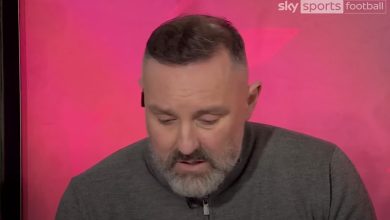
Farke was unequivocal in his response when asked about some of those moments after the final whistle. “I don’t like to talk about referees, but I must say this is not right,” he said, referencing a series of calls that he believed did not reflect what was happening on the pitch.
While Farke did not specify each incident in granular detail, his overall stance was clear: he felt that crucial decisions at key moments such as the disallowed goal in the first half and other borderline situations undermined Leeds’ ability to maintain momentum and control. His comments, delivered in measured but pointed fashion, reflect a growing impatience among managers with what they see as inconsistent implementation of the rules.
Players Keep Focus Amid Controversy
Inside the dressing room, Leeds players were understood to be more focused on performance than officiating. Senior figures encouraged their teammates to channel frustration into energy and intensity on the pitch an approach that nearly saw Leeds snatch all three points in the final stages with a series of promising attacks.
Midfielder Aaronson, who scored the home side’s goal, was among those whose influence was felt throughout. His persistent work rate and ability to press Manchester United’s defence helped Leeds sustain offensive pressure even after the equaliser.
Manchester United also had their chances in the closing moments, with Cunha coming close again and his curling effort beating the goalkeeper only to crash off the outside of the post. Both sides ultimately had to settle for a point in what was a gripping contest, underlining the narrow margins that can separate victory from a draw.
The Draw’s Broader Implications
For Leeds, the draw represented a valuable point against one of England’s most historically successful clubs. It also extended their unbeaten Premier League run to seven matches, a sign of resilience and tactical discipline that has become a hallmark under Farke’s management.
The result leaves Leeds comfortably clear of the relegation zone and provides a platform from which the team can build momentum in the second half of the campaign. Farke’s side showed tactical flexibility and fighting spirit, particularly in responding quickly after relinquishing the lead a sign of character that will be welcomed by supporters and club officials alike.
Manchester United, meanwhile, will rue their inability to convert periods of control into a winning outcome. The visitors remain on a run featuring several draws, and despite a strong overall unbeaten league record this season, the inability to secure maximum points against teams like Leeds may prove costly in the battle for European places.
Fan Reaction and Refereeing Debate
Social media platforms and fan forums were abuzz after the match, with many supporters echoing Farke’s concerns about the officiating. Leeds fans, in particular, highlighted the disallowed first‑half goal and other tight calls as pivotal moments that could have swung the result more decisively in favour of the home side.
Manchester United supporters, by contrast, focused more on their side’s resilience in bouncing back and securing a point away from home, praising the impact of substitutes like Zirkzee and the composure of Cunha.
The wider debate around refereeing consistency has become a recurring theme across the Premier League, with managers increasingly willing to voice their thoughts publicly. Farke’s post‑match comments add to that conversation, illustrating the ways in which officiating decisions even when not directly linked to goals can shape the narrative of a game and the mood of those involved.
Looking Ahead
As both teams look ahead to their next fixtures, Leeds will aim to harness the positivity from a spirited display against strong opposition. With league position stabilised and confidence growing, Farke’s side has momentum on its side even if frustrations about key calls linger.
For Manchester United, the challenge remains to convert performances into victories, especially in tight games where even small moments can prove decisive. Meanwhile, the refereeing debate will continue to simmer, with fans and pundits alike dissecting every key decision for signs of inconsistency or error.
In the end, the 1–1 draw at Elland Road was a compelling reflection of two well‑matched teams battling for supremacy, with moments of brilliance, controversy, and drama woven into a result that neither side will soon forget.