Scottish fans will receive the cheapest tickets for the 2026 World Cup.
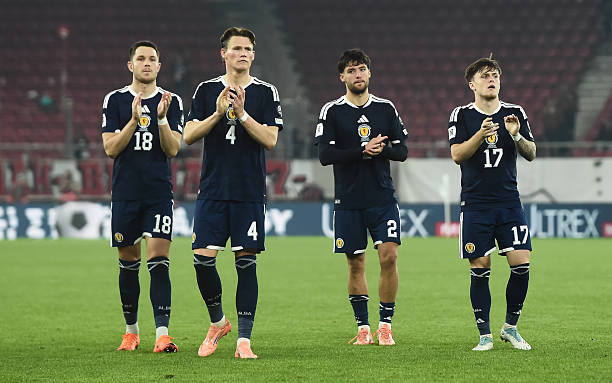
Scotland fans to receive cheaper World Cup tickets but Fifa climbdown ‘does not go far enough’
Fifa accused of ‘appeasement tactic’ as small number of discounted tickets made available for games against Haiti, Morocco and Brazil
small number of Scotland fans are to receive cheaper World Cup tickets following the outcry over pricing which erupted last week.
Members of the Scotland Supporters Club face paying between £134 and £521 per seat for the group games against Haiti, Morocco and Brazil at next summer’s tournament in the USA depending on whether they secure value, standard or premier tickets.
However, FIFA has now announced that 10 per cent of the participant member association (PMA) allocation for each match will be priced at 60 dollars (£45) – including for the final.

The decision follows meetings between senior officials in Doha this week, where federations – including the Scottish Football Association – are understood to have shared concerns about the pricing model.
FIFA faced criticism from fan groups last week, with Football Supporters Europe accusing them of a “monumental betrayal” of fans and urging the sport’s world governing body to halt the PMA allocation sale process.
The PMA allocation equates to eight per cent of stadium capacity per country per match.
The SFA has been allocated 3889 tickets for the games against Haiti and Morocco, with the final group match against Brazil having slightly less at 3736.
It means 1,149 Scotland fans in total could benefit from the new 60-dollar tickets across the three matches with a further 40 per cent able to access the next cheapest tickets, which are considerably more at £134 (Haiti), £163 (Morocco) and £197 (Brazil). Fans who miss out on value tickets face paying £300 (standard) or £372 (premier) to watch the Haiti match in Boston, £320 or £447 for the Morocco game, also in Boston, and £372 or £521 for Scotland v Brazil in Miami.
A FIFA official close to the discussions said: “Demand for tickets has been off the scale, more than 20 million requests so far in this latest phase. We have listened to feedback and this new category is the right thing to do.
“Making 60 USD tickets available to more fans, including the most loyal ones who travel, was agreed on unanimously.
Associations will need to work out who best should receive them. It’s a unique tournament and a unique market in the USA, in particular, which allows resales on secondary platforms. The demand is sky high.
“No organisation does more to support the development of the game around the world than FIFA. All 211 associations, including the poorest countries, will benefit from a commercially successful World Cup.”
FSE welcomed FIFA’s move but said “the revisions do not go far enough to reconcile” and pointed to the absence of a pricing structure for disabled fans or complementary companion tickets.
A statement added: “For the moment we are looking at the FIFA announcement as nothing more than an appeasement tactic due to the global negative backlash.
“We call upon FIFA to engage in a proper dialogue to arrive at a solution that respects the contribution of fans and the dignity of fans with disabilities.”