Stoppage-Time Storm at Molineux: Arteta Raises Concerns Over “Extra Minutes” Chants After Arsenal’s 2–2 Draw With Wolves
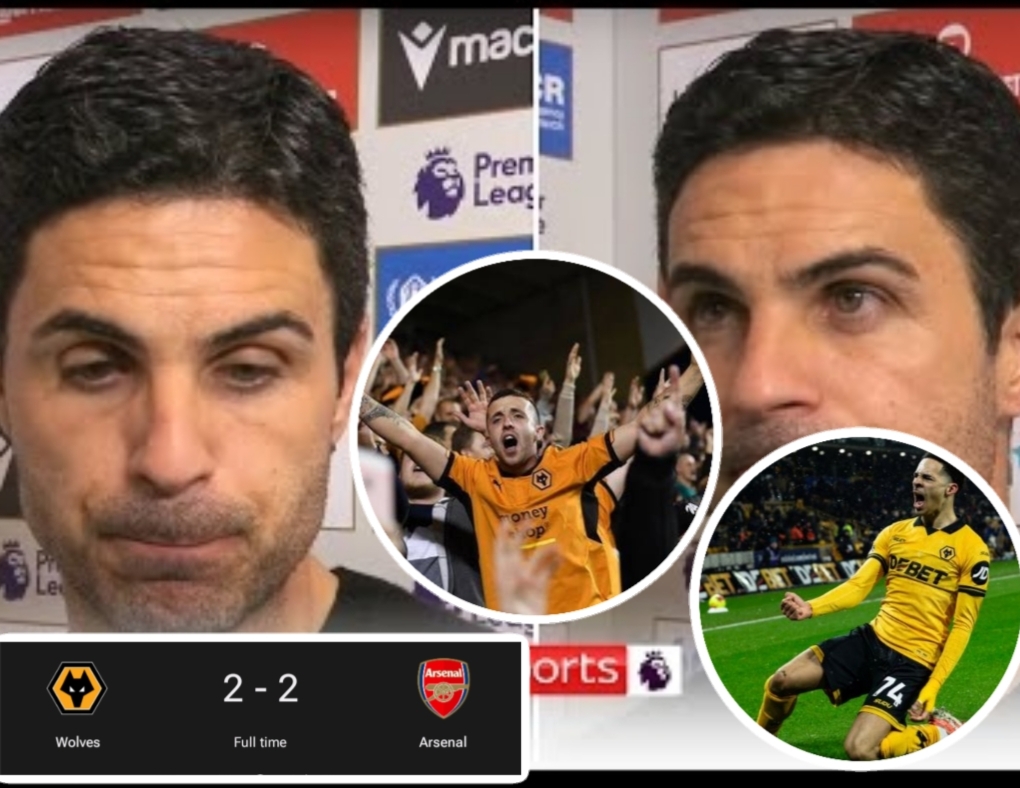
Arsenal’s Premier League title charge suffered a significant setback on Wednesday night as Arsenal surrendered a two-goal lead to draw 2–2 against Wolverhampton Wanderers in a dramatic encounter at Molineux Stadium.
What began as a controlled and confident away performance for the league leaders ended in chaos during stoppage time, with manager Mikel Arteta later pointing to the emotionally charged atmosphere including chants about the amount of added time as something he believes should be reviewed.
Fast Start Sets the Tone
Arsenal wasted no time asserting their authority. Within five minutes, Bukayo Saka found the breakthrough, finishing calmly after a sharp passing sequence that sliced through the Wolves defence. The early goal silenced the home crowd and reinforced Arsenal’s intent to strengthen their grip at the top of the table.

The visitors continued to dominate possession, circulating the ball with composure and pressing aggressively whenever Wolves attempted to build from the back. Their control was rewarded again in the second half when Piero Hincapié doubled the advantage with a well-taken finish following a set-piece situation.
At 2–0, Arsenal looked comfortable. The tempo was managed effectively, and Wolves struggled to carve out meaningful chances. For much of the contest, it appeared the Gunners would leave Molineux with three valuable points.
Wolves Find a Way Back
Football, however, rarely unfolds without resistance. Wolves began to push forward with greater urgency midway through the second half. Their pressing became more coordinated, and the home support responded with renewed belief.
The breakthrough for Wolves came when Hugo Bueno unleashed a curling effort from outside the box, reducing the deficit and injecting life back into the stadium. The goal shifted the psychological momentum of the match. Arsenal, once assured in possession, began to show signs of tension.
As the clock ticked down, Wolves increased the pressure. Crosses were delivered into the penalty area, second balls were contested fiercely, and every Arsenal clearance was greeted with loud roars from the stands.
The Stoppage-Time Flashpoint
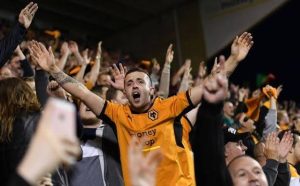
The decisive chapter of the evening unfolded during added time. When the fourth official indicated the number of extra minutes to be played, sections of the home crowd responded with chants focused on the duration. The atmosphere intensified rapidly.
After the final whistle, Arteta referenced the environment in those closing stages.
“In those extra minutes, certain things were happening that should be looked at,” he said. “The intensity from the stands around the added time created a very heated situation.”
While Arteta did not directly accuse supporters of misconduct, he suggested the atmosphere escalated the pressure in an already volatile moment.
“The players feel everything in those situations the noise, the reactions, the emotion,” he added. “We have to maintain control, but the environment also plays a role.”
Late Collapse
Deep into stoppage time, Wolves capitalised on Arsenal’s defensive uncertainty. A scramble inside the penalty area saw the ball ricochet off multiple bodies before falling kindly for substitute Tom Edozie, who bundled it home from close range.
The equaliser sparked wild celebrations at Molineux. Arsenal’s players stood stunned as the reality of two dropped points sank in. From commanding control to late concession, the shift was both swift and painful.
For Arteta, the frustration was clear.
“We were 2–0 up. We had control. We have to manage those moments better,” he admitted. “That responsibility is ours.”
Title Race Implications
The result carries serious implications in the Premier League standings. Arsenal entered the match knowing that every point matters in a tightly contested title race. Instead of extending their lead, they allowed rivals to close the gap.
Dropping points from winning positions has become an emerging theme in recent weeks, and questions about Arsenal’s game management are growing louder. Maintaining composure in the final stages of matches is often the difference between champions and challengers.
Arteta acknowledged the importance of mental resilience.
“When you want to compete for the biggest objectives, you must control the game until the final whistle,” he said. “Details matter. Every minute matters.”
Wolves’ Perspective
From Wolves’ standpoint, the draw felt like a triumph. Battling from two goals down against the league leaders showcased resilience and determination. The players responded to the energy of their supporters and refused to accept defeat.
The late equaliser sent the home crowd into jubilation and provided a significant morale boost as Wolves continue their fight to climb the table.
Will There Be Action?
As of now, there has been no official confirmation of any formal investigation regarding the chants Arteta mentioned. Post-match reports from match officials are routinely reviewed, but whether this particular incident will prompt further scrutiny remains to be seen.
Arteta’s remarks appear to reflect his emotional reaction to a chaotic finish rather than confirmation of disciplinary proceedings. Still, his comments have sparked conversation about the role of crowd influence in high-pressure moments.
A Defining Night
For Arsenal, the evening at Molineux may prove to be a defining moment in their campaign. Leading comfortably before conceding twice including once in stoppage time highlights the thin margins that define title races.
For Wolves, it was a demonstration of belief and persistence rewarded at the very last moment.
As the season moves into its decisive phase, Arsenal must rediscover the composure that characterised their strongest performances earlier in the campaign. Closing out matches, managing tempo, and maintaining defensive focus will be essential if they are to sustain their challenge.
At Molineux, it was not just the extra minutes that hurt Arsenal it was what happened within them.