The real reason for the centre circle in football and what it’s actually used for may surprise fans
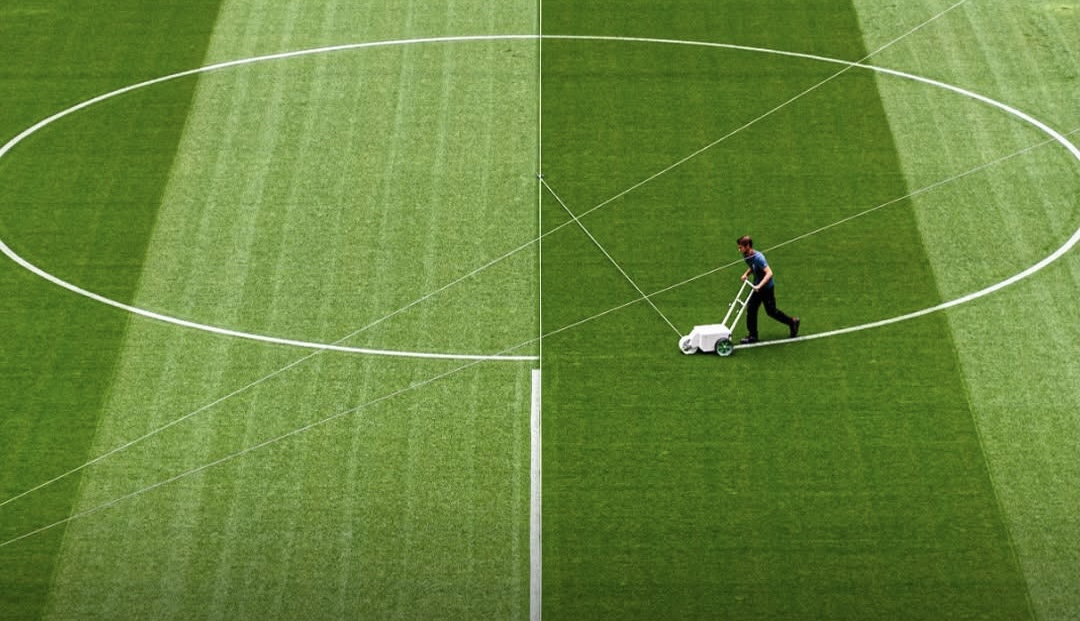
For most football fans, the centre circle on the pitch is just a familiar feature of the game a spot where every match begins and resumes after goals. But while it might appear purely symbolic or aesthetic, the centre circle actually serves a very specific and essential purpose in the rules of the sport. Its function, both in kick-offs and during high-stakes penalty shootouts, is often overlooked even by die-hard supporters.
With football’s rich history stretching back to the 19th century, it’s not surprising that some aspects of the game’s design are misunderstood or simply taken for granted. The centre circle, a standard part of every football pitch in the world, is one such feature that many fans don’t know the full story behind.
The Origins of the Centre Circle
The centre circle as we know it today was officially introduced in 1891 as part of a significant rule overhaul in the sport. Prior to that, kick-offs took place from the centre spot, but without a defined radius to regulate player positioning. The inclusion of the circle was aimed at ensuring fair play, especially at the start of each half and after goals.

The circle’s main function is not decorative it’s about enforcing the rules fairly and uniformly. According to the Laws of the Game set out by the International Football Association Board (IFAB), specifically Law 8.1, “All players, except the player taking the kick-off, must be in their own half of the field of play. The opponents of the team taking the kick-off must be at least 9.15 metres (10 yards) from the ball until it is in play.”
To make this rule easier to apply and enforce, the centre circle has a radius of exactly 9.15 metres, ensuring that opposition players cannot encroach too closely on the kick-off taker. It offers a visual guide that referees can use to check whether the players are positioned correctly, helping to maintain order and fairness right from the very start of the match.

A Rule That Evolved Over Time
For many years, the ball had to be kicked forward from the centre spot during a kick-off. However, a rule change in 2016 allowed teams to kick the ball in any direction including backwards. This change made the enforcement of the 10-yard exclusion zone even more important, as teams began to adopt new strategies at the start of each half.
Without the centre circle to create a clear buffer zone, players from the opposing team could pressure the ball immediately after kick-off, potentially giving them an unfair advantage. By maintaining a clear area around the ball, the circle supports the new tactical possibilities while keeping gameplay fair.
The Centre Circle’s Role in Penalty Shootouts
Beyond kick-offs, the centre circle plays another lesser-known but important role during penalty shootouts. When matches end in a draw and require penalties to determine the winner, the Laws of the Game dictate that only the player taking the penalty and both goalkeepers may be near the penalty area.
So where do the other players go?
They must remain inside the centre circle while the shootout takes place. This rule is designed to prevent interference or distraction during the high-pressure penalties. By keeping players grouped in a neutral area and far away from the action officials can maintain order and reduce the chance of unsportsmanlike conduct.
It’s another subtle but crucial function of this often-overlooked part of the pitch.
More Than Just a Line on the Pitch
While most fans associate the centre circle only with the start of a match or perhaps a player standing at the halfway line, its role in upholding the rules of the game is vital. It helps referees manage the game more effectively, ensures fair competition, and supports the evolving tactics of modern football.
Despite being introduced over 130 years ago, the centre circle remains a crucial part of football’s structure one that continues to influence how the game is played and officiated at all levels.
So next time you see players lining up for kick-off or waiting nervously for their turn in a penalty shootout, take a moment to appreciate the quiet significance of that large circle at the heart of the pitch. It’s not just part of the scenery it’s one of the many small details that help keep the beautiful game fair, consistent, and competitive.