The Old Lady’s Cracking? Juve Risks Losing Another Key Leader!
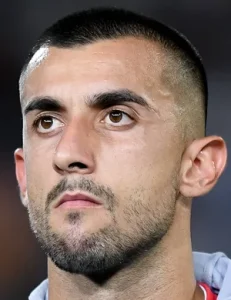 As Juventus navigates a transformative phase, the club faces the potential departure of another pivotal figure: veteran goalkeeper Mattia Perin. Despite recently extending his contract until June 2027, Perin’s future in Turin remains uncertain due to limited playing opportunities and interest from other clubs.
A Reliable Guardian Between the Posts
Since joining Juventus in 2018, Perin has been a dependable presence, often stepping in during crucial moments. His experience and leadership have been invaluable, particularly during periods when the first-choice goalkeeper was unavailable. Perin’s commitment to the club was evident when he signed a contract extension in October 2024, expressing his desire to continue contributing to the team’s success.
Emergence of Michele Di Gregorio
The arrival of Michele Di Gregorio has intensified competition for the starting goalkeeper position. Di Gregorio’s impressive performances have solidified his status as the first-choice keeper, relegating Perin to a secondary role. This shift has prompted speculation about Perin’s willingness to remain in a backup capacity, especially given his aspirations for regular playing time.

Interest from Other Clubs
Perin’s situation has attracted attention from several clubs seeking an experienced goalkeeper. Fiorentina, in particular, has shown interest in acquiring Perin to bolster their squad. The prospect of a starting role elsewhere presents an enticing opportunity for the 31-year-old, who may be contemplating a move to secure more consistent playing time.
Juventus’ Goalkeeping Conundrum
Juventus faces a delicate balancing act in managing their goalkeeping roster. While Di Gregorio’s emergence is a positive development, the potential loss of Perin would mean the departure of a seasoned professional who brings stability and mentorship to the squad. The club must weigh the benefits of retaining Perin against the player’s personal ambitions and the team’s evolving dynamics.
Looking Ahead
As the summer transfer window approaches, Juventus must address the uncertainties surrounding Perin’s future. Engaging in open dialogue with the player to understand his aspirations and evaluating potential replacements will be crucial steps in ensuring the team’s continued success. The outcome of these discussions will significantly impact the club’s strategy and performance in the upcoming season.
In conclusion, while Juventus has made strides in rebuilding and strengthening their squad, the potential departure of Mattia Perin underscores the challenges inherent in managing a top-tier football team. Balancing the integration of emerging talents with the retention of experienced leaders like Perin will be key to the Old Lady’s pursuit of domestic and European glory.