FIRE IN THE PRESS, ICE IN THE MARKET: FARKE’S JANUARY CONTRADICTION AS LEEDS GAIN EDGE BEFORE NOTTINGHAM CLASH
 Leeds United closed the January transfer window without strengthening the squad in its final stages. Frustration among supporters was inevitable, but the situation is more layered than the immediate backlash suggests.
With the club still needing to put distance between themselves and the relegation zone, many expected more business than the arrival of Facundo Buonanotte alone — even if the Argentine represents a clever and progressive signing.
Instead, deadline day fizzled out quietly. Leeds ended the window watching primary target Jørgen Strand Larsen complete a £48 million move to Crystal Palace, a direct rival in the lower half of the table.
There was a sense of déjà vu about the January 2026 window, echoing the urgency of the same period a year earlier. The objective has changed survival rather than storming the Championship but the need to freshen the group felt just as pressing.
While Leeds ultimately proved strong enough to succeed last season without additions, and currently sit six points clear now, fans’ irritation at the inactivity across both windows is understandable.

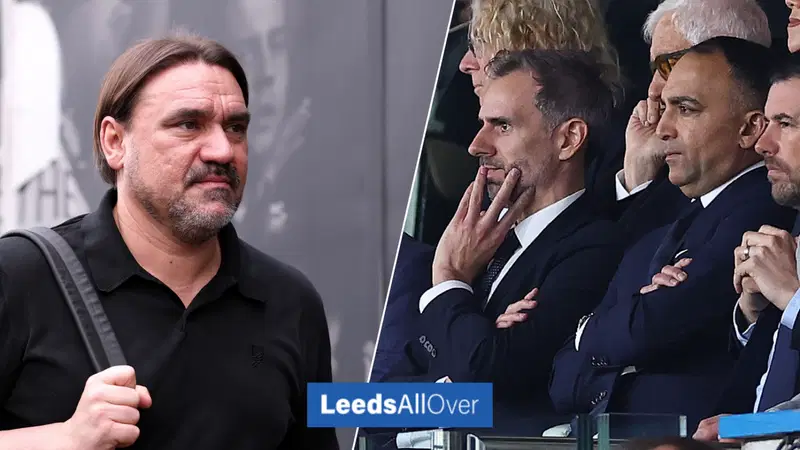
Speaking to the Yorkshire Evening Post, Daniel Farke offered insight into his approach and the reasoning behind the club’s restraint.
“Recruitment must always present options and suggestions,” Farke explained. “But it’s my responsibility to run the football side and understand what the group actually needs. Scouts look at potential, which is important, but the manager has to judge character, balance, and profile.
“There are times when excellent players are available, but they don’t fit. Other times, you risk disrupting players who are already performing. It’s not just about collecting talent it’s about building cohesion.
“I’m very selective. There’s no logic in having ten centre-backs of the same level and eight unhappy players. That runs counter to everything you’re trying to achieve.”

Farke’s comments clearly outline both his philosophy and the filtering process involved in identifying suitable signings across Europe. Since arriving in the summer of 2023, it has been evident that he was appointed as a true head coach one with final authority over transfers.
That structure is difficult to argue against. Farke is ultimately responsible for keeping Leeds in the division, so it stands to reason that any new additions must align with his tactical demands and squad management principles. Recruitment can propose targets, but the final approval rests with him.
Given the overhaul of Leeds’ recruitment department following the 49ers’ takeover and the generally strong hit rate under this regime it’s safe to assume Farke was presented with extensive shortlists for every position. That is standard practice at this level.
What’s notable, however, is that Farke has effectively positioned himself as the figure who chose not to proceed with an alternative once Strand Larsen became unattainable. Much of the criticism has landed on the boardroom, but his comments suggest the hesitation came from the dugout.
Interestingly, this dynamic was flagged by YEP journalist Graham Smyth back in the summer, most notably during the drawn-out pursuit of goalkeeper Lucas Perri. That £15.6 million deal exposed differing views between coaching staff and recruitment:
“The YEP understands there has been less of the ‘transfer tension’ admitted by former CEO Angus Kinnear after the 2024 summer window, but reaching agreement on the goalkeeper took longer than with other positions.”
None of this implies that Farke’s caution is misguided. By his own admission, he is selective and the league table supports his judgment. Leeds’ six-point cushion is a product of steady planning and execution since promotion. Still, it does raise the question of whether criticism aimed solely at off-field decision-makers misses the full picture, particularly when Farke openly acknowledges holding back.
On the pitch, reality has been less forgiving. Mikel Arteta’s side dismantled Leeds with a four-goal victory, handing them their first home defeat since December. The margin for error is narrowing, and another tough test looms as the survival battle continues.
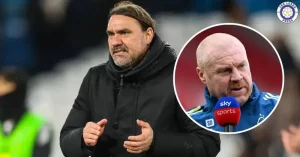 Nottingham Forest, unlike Leeds, were active during January and managed to push signings over the line before the deadline. The previous meeting between the two ended in a 3–1 defeat for Leeds at the City Ground.
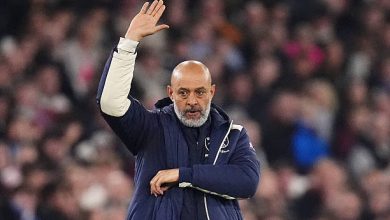
Forest boss Sean Dyche has, however, confirmed potential injury concerns ahead of Friday night’s clash. Callum Hudson-Odoi remains a doubt after damaging his shoulder:
“He landed awkwardly on it,” Dyche said. “We’ve had it checked and it’s nothing serious, but it’s painful. We’ll assess him over the next 36 hours.”
Goalkeeper Mats Selz is also struggling:
“It’s still sore. We’ll get another opinion over the next few days to understand the extent of it.”
With survival still the priority, Leeds now face another pivotal moment one where the decisions not made in January may yet come under sharper scrutiny.