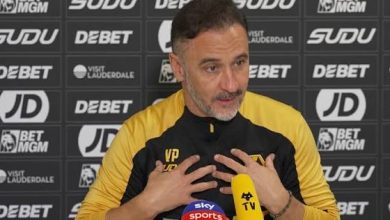
FC Porto Manager Francesco Farioli Praises Nottingham Forest Star but Questions Vítor Pereira’s Early Substitution After 1-1 Europa League Draw at the Estádio do Dragão
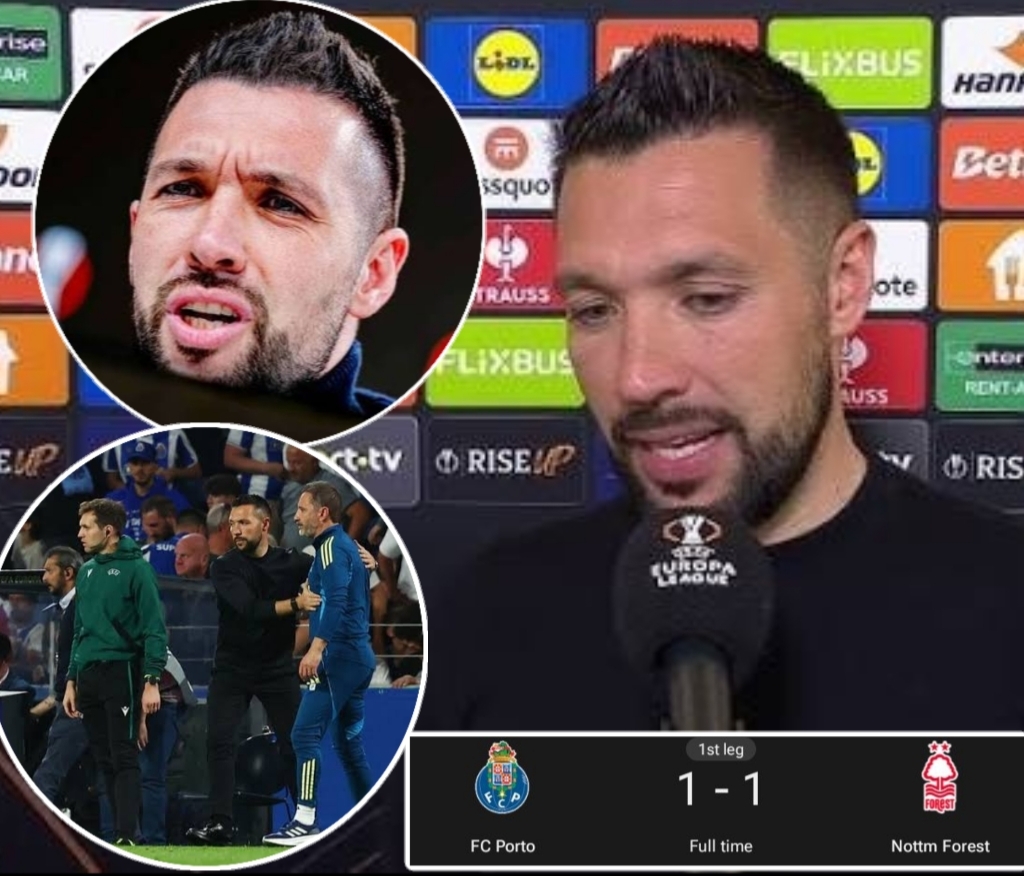
FC Porto and Nottingham Forest played out a dramatic 1-1 draw in the first leg of their Europa League quarter-final at the Estádio do Dragão, a result shaped by early dominance from the hosts, a bizarre own goal, and several tactical decisions that will be debated heavily ahead of the return leg at the City Ground.
Porto started the game on the front foot, controlling possession and pinning Nottingham Forest deep inside their own half. Their pressure was eventually rewarded when William Gomes opened the scoring with a composed finish at the far post after a well-worked attacking move that exposed Forest’s defensive line. The goal reflected Porto’s early intensity and their ability to stretch the visitors across the pitch, forcing them into a reactive shape.
At that stage, Forest were struggling to build any sustained attacking rhythm. However, football’s unpredictability soon swung the momentum dramatically. In a moment that stunned the home supporters, Martim Fernandes inadvertently turned the ball into his own net from distance, with goalkeeper Diogo Costa left stranded after misjudging the situation. The freak own goal completely changed the atmosphere inside the Estádio do Dragão and gave Nottingham Forest a lifeline they had barely threatened to earn in open play.

From that point onwards, Forest gradually settled into the contest. Their shape became more compact, and they began to rely on direct play to relieve pressure. One of the key figures in this tactical adjustment was striker Chris Wood, who provided a focal point for long balls and helped Forest push further up the pitch when Porto attempted to sustain attacks.
Wood’s physical presence immediately altered the dynamic of the match. He consistently won aerial duels, shielded the ball under pressure, and allowed Forest’s midfield to move higher up the pitch. In several phases of play, his ability to hold possession in advanced areas stopped Porto from camping in Forest’s half, giving the visitors brief but important moments of relief.
Forest’s resilience was tested again in the second half when Igor Jesus thought he had scored, only for the goal to be disallowed after a collision with the goalkeeper. The decision sparked frustration among the visitors, who felt they had done enough to edge ahead at a crucial moment in the tie. The disallowed goal also shifted momentum back toward Porto, who began to push forward more aggressively in search of a winner.
Despite Porto’s pressure, Nottingham Forest goalkeeper Stefan Ortega produced a series of important saves to keep the score level. He denied efforts from Terem Moffi and Borja Sainz, ensuring that Forest remained in the tie heading into the closing stages. Porto, meanwhile, were left to reflect on missed opportunities and moments where their final decision-making let them down.
However, one of the biggest talking points of the night came not from a goal or a save, but from a substitution. Nottingham Forest manager Vítor Pereira made the decision to withdraw Chris Wood earlier than expected, a move that immediately altered the balance of the match. Without their primary target man, Forest lost a key outlet, and Porto began to regain territorial control as the game opened up.
The substitution reduced Forest’s ability to play long and escape pressure, forcing them deeper into their own half. Porto capitalised on this shift by pushing their defensive line higher and recycling possession more comfortably in midfield. In many ways, the game tilted back in favour of the hosts during this period, with Forest increasingly pinned back.
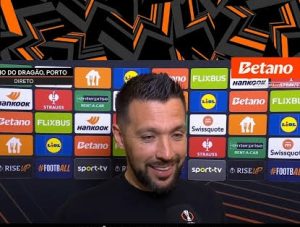
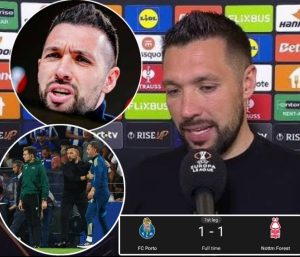
After the match, Porto manager Francesco Farioli did not hide his admiration for Forest’s striker, highlighting how difficult he had made the game in the first half. His comments reflected the impact Wood had on Porto’s defensive structure before his withdrawal.
According to reports, Wood’s influence was also discussed inside the Porto dressing room at half-time, where players and staff reportedly analysed how his movement and strength had disrupted their defensive organisation. His ability to hold the ball up under pressure had forced Porto to defend deeper than planned, something they were keen to correct after the break.
Francesco Farioli later summed up that first-half challenge by saying:
“Chris Wood was very strong in the first half. He gave them a real platform and made it difficult for us to win duels and push our line up.”
That assessment underlined just how much respect Forest’s striker had earned from the opposition bench, despite not being directly involved in the scoring.
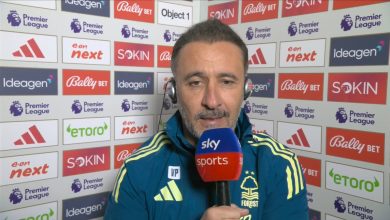
Vítor Pereira, meanwhile, defended his decision-making after the match, pointing to squad rotation and fixture congestion as key reasons for his changes. With a crucial Premier League clash against Aston Villa approaching, he stressed the importance of managing player workload and avoiding fatigue in a congested schedule.
“We changed some players, why? In two and a half days we are playing against Aston Villa and I have to think about it,” he explained.
For Porto, the draw will feel like an opportunity missed given their early dominance, but they will also take encouragement from how the game shifted once Forest’s attacking structure changed. For Nottingham Forest, the result represents a valuable away draw in Europe, but also raises questions about game management and how they handled their most important attacking outlet.
As the tie heads to the City Ground, both teams remain firmly in contention. Forest will rely on their home advantage and defensive organisation, while Porto will believe they can still take control if they replicate their early attacking intensity and finish their chances more clinically.
Ultimately, much of the post-match discussion will continue to revolve around Chris Wood’s influence. His presence gave Nottingham Forest structure, physicality, and an attacking reference point that unsettled Porto for long spells. His early substitution shifted the momentum of the game, and Farioli’s post-match praise only reinforced how significant his impact was in shaping a tightly contested European night in Portugal.