“He Doesn’t Deserve My Handshake” – Steve Clarke fumes as he reveals why he refused to shake hands with Haiti coach Sébastien Migné after a narrow 1–0 win over Haiti
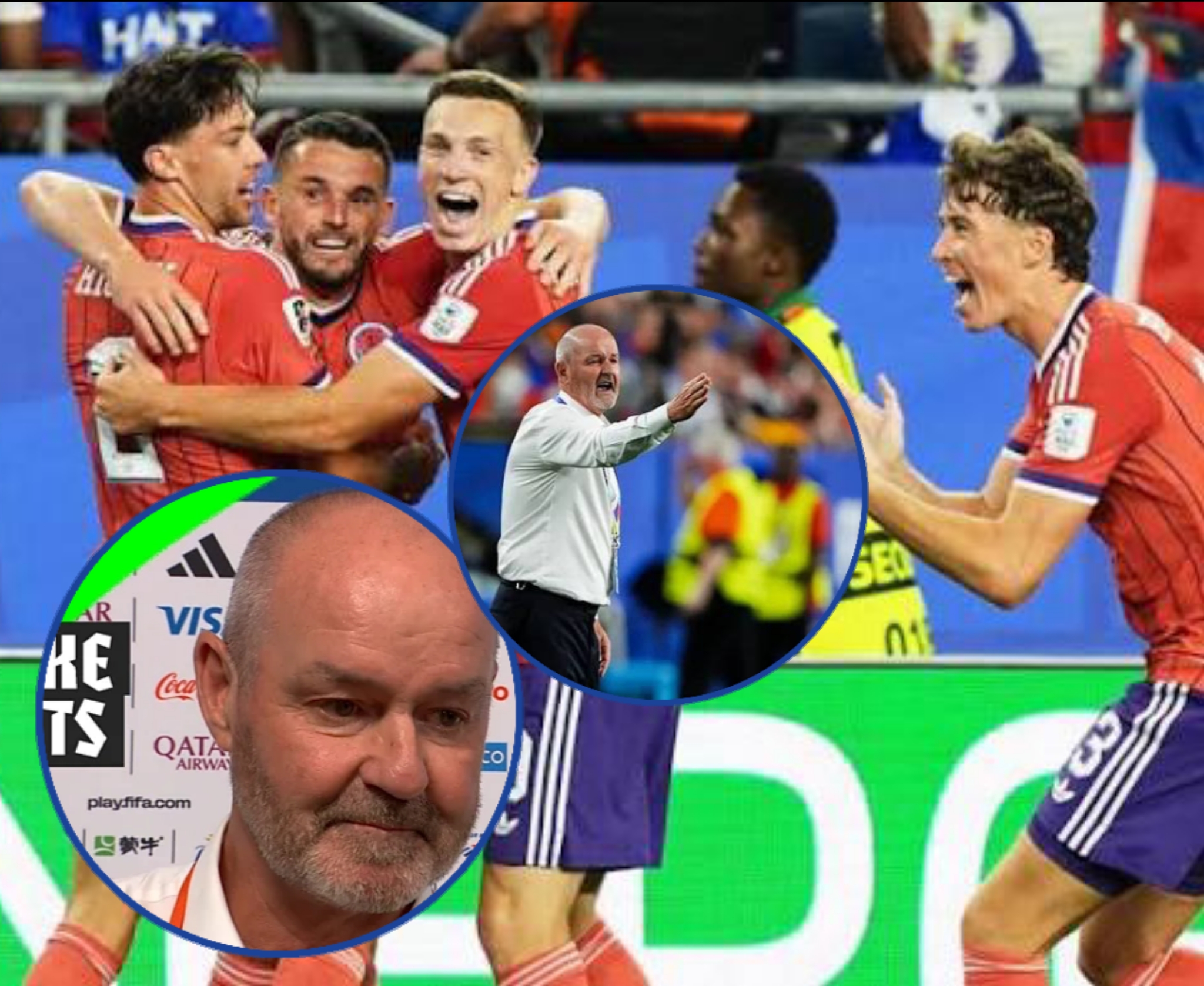
Scotland’s long-awaited return to the FIFA World Cup spotlight was supposed to be remembered for a hard-fought victory. Instead, the post-match scenes following their tense 1–0 win over Haiti have become one of the biggest talking points of the tournament so far.
Moments after the final whistle confirmed Scotland’s narrow victory in their opening 2026 FIFA World Cup Group C clash, television cameras captured an unexpected moment of drama on the touchline. Scotland manager Steve Clarke walked directly past Haiti head coach Sébastien Migné, refusing to shake his hand despite the traditional post-match gesture being offered.
The incident immediately sparked speculation among fans and pundits alike. Had there been an argument between the two managers? Was Clarke unhappy with something that had happened during the game?
The Scotland boss did not leave people guessing for long.
Speaking during his post-match press conference, Clarke revealed that his frustration had been building throughout the entire match and suggested that the behaviour of the Haiti coach on the touchline was the reason behind his decision.
“He doesn’t deserve my handshake,” Clarke said bluntly.
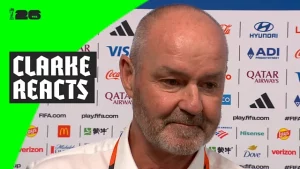
The statement stunned reporters in attendance.
Scotland had just secured three crucial points thanks to a second-half winner in a fiercely contested encounter. Haiti had pushed the Scots all the way, forcing goalkeeper Angus Gunn into several important saves and keeping Scotland under pressure until the very last minute.
Yet Clarke seemed far more interested in discussing what had happened beside the pitch than on it.
“People only see the ninety minutes and the final score,” he continued. “They don’t hear everything that goes on from the technical areas.”
The Scotland manager then hinted that he had been listening closely to comments coming from the Haiti bench throughout the game.
“I heard it all. Every complaint. Every shout. Every little comment directed at the referee. You stand there for ninety minutes and you hear everything.”
According to Clarke, Migné spent much of the match questioning officiating decisions and repeatedly protesting calls made by the referee.
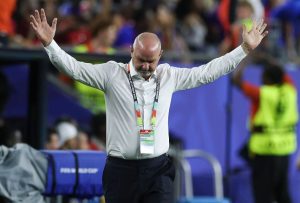
Several incidents during the game appeared to frustrate the Haitian coaching staff, particularly a series of fouls awarded to Scotland during key moments in the second half. Migné was seen leaving his technical area on multiple occasions to voice his concerns to the fourth official.
While Clarke acknowledged that every coach becomes emotional during World Cup matches, he suggested there is a line that should not be crossed.
“Passion is one thing. We all have passion. This is the World Cup. Emotions are high,” Clarke said. “But when every single decision becomes an argument, every whistle becomes a debate and every call is questioned, it becomes tiresome.”
The Scotland boss stopped short of revealing the exact comments that angered him but made it clear that he felt Migné’s behaviour showed a lack of respect toward both the officials and the opposing team.
“You can’t spend the entire game nagging at referees and then expect me to pretend everything is fine afterwards.”
Asked directly whether that was why he refused the handshake, Clarke did not hesitate.
“Absolutely. Respect works both ways. If I don’t feel respect during the game, I’m not going to offer respect for the cameras after it.”

The comments have already divided opinion across the football world.
Many Scottish supporters defended their manager, arguing that coaches should not be forced into post-match gestures if they genuinely feel disrespected during a match.
Others, however, believe Clarke should have risen above the tension and completed the traditional handshake regardless of his feelings.
Former players appearing on television panels after the match were similarly split. Some praised Clarke’s honesty, while others suggested that refusing a handshake risks setting a poor example on football’s biggest stage.
Meanwhile, Sébastien Migné attempted to take the high road when questioned about the incident.
The Haiti coach refused to engage in a war of words and instead focused on his team’s performance.
“I am proud of my players,” Migné said. “They fought against a very strong team and showed great character. What happened after the game is not important to me.”
When pressed further about Clarke’s accusations regarding constant complaints to the referee, Migné smiled and responded diplomatically.
“Football is emotional. Coaches react. Players react. Everybody wants decisions to go their way. That is normal.”
Despite the controversy, the result leaves Scotland in a strong position heading into their next Group C fixture. Clarke’s side now sit on three valuable points after edging a Haitian team that many observers believe performed better than the scoreline suggests.
For Haiti, the defeat will be painful, particularly after a display full of determination and discipline. They matched Scotland for long periods and came within moments of finding an equaliser late in the match.
Yet instead of discussions centering on tactics, performances, or Scotland’s winning goal, the spotlight remains fixed on the dramatic scenes after the final whistle.
Whether fans agree with Clarke or not, one thing is certain: his refusal to shake hands with Sébastien Migné has added another layer of intrigue to an already fascinating World Cup campaign.
As the tournament continues, both managers will undoubtedly move on and focus on their next challenges. But the image of Clarke walking past his Haitian counterpart without a handshake is likely to remain one of the defining moments of the early stages of the 2026 FIFA World Cup.