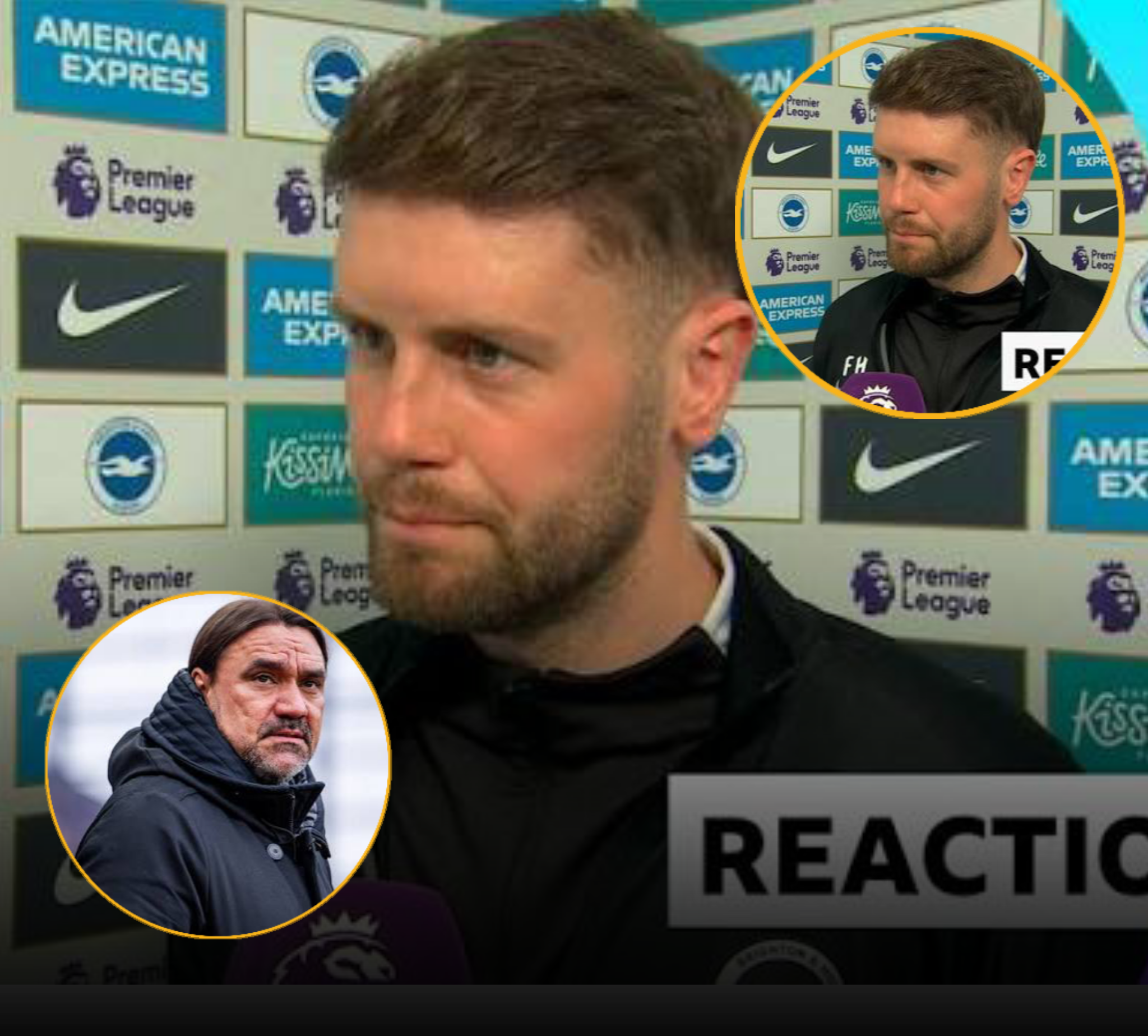
Brighton boss Fabian Hürzeler has reportedly raised eyebrows over Daniel Farke’s 73rd minutes decision sparks growing debate among many fans.
Hürzeler praised the Leeds player for producing an outstanding performance and admitted that his presence had created serious problems for Brighton’s defence. According to the Brighton manager, the player’s movement, intelligence and ability to create dangerous situations made him one of the biggest threats his team had to deal with.
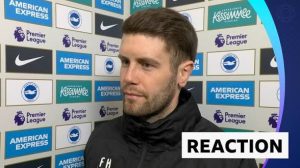
The German coach was particularly impressed by the player’s contribution to Leeds taking the lead, with the midfielder providing the assist that put Farke’s side ahead.
The player reportedly played a crucial role in Leeds’ attacking threat before being substituted in the 73rd minute, just two minutes after Brighton had found their equaliser.
For Hürzeler, that decision was difficult to understand from the perspective of an opposing manager.
That player was Ao Tanaka.
“A player like Tanaka needs a full 90 minutes because his presence is a threat to any defence. He was a nightmare for us. His movement and quality were creating problems all the time, and we had to constantly think about where he was. A player with that kind of influence is always dangerous,” Hürzeler said.

The Brighton manager’s comments put immediate attention on Farke’s decision to remove Tanaka from the contest.
Tanaka had already provided the assist for Leeds’ goal, and Brighton had equalised in the 71st minute. Just two minutes later, Farke opted to take the midfielder off.
From Brighton’s perspective, it was a welcome development.
Hürzeler admitted that his defenders had struggled to contain Tanaka and suggested that his departure reduced one of the biggest threats Brighton had been facing.
The Brighton boss stopped short of directly criticising Farke, acknowledging that the Leeds manager would have had his own tactical reasons for making the change.
However, he could not hide his surprise at the timing.
“I cannot question Daniel Farke because he knows his team better than me, but honestly, when Tanaka came off, it made our job easier. He had already assisted the goal and was still putting pressure on our defence. If he had remained on the pitch, considering the amount of threat he was creating, maybe Leeds could have done better and created another winning opportunity,” Hürzeler reportedly added.
The timing of the substitution is now likely to become a major talking point among Leeds supporters.
Tanaka was not simply having an average game. He had already directly contributed to the goal, while his presence continued to force Brighton’s defenders into uncomfortable situations.
For an opposing manager to openly admit that a player was making his defensive unit uncomfortable only strengthens the argument that Tanaka was having a major influence.
And with Brighton equalising in the 71st minute, the final 17 minutes represented a significant opportunity for Leeds to respond.

Instead, Farke made the decision to remove Tanaka.

Whether the substitution actually cost Leeds the victory cannot be established, but Hürzeler’s assessment provides an intriguing alternative perspective.
The Brighton boss was essentially suggesting that Leeds had removed one of the players he feared most at a crucial stage of the match.
That does not necessarily mean Farke made the wrong decision. Managers make substitutions based on numerous factors that may not be obvious from the outside.
But the fact that an opposing coach would have preferred Tanaka to remain on the pitch speaks volumes about the impact the midfielder had made.
Hürzeler also made it clear that his comments were not intended to take anything away from Farke or Leeds. Instead, he was simply acknowledging the quality of the player who had caused his team problems.
The Brighton manager reportedly believed Tanaka’s presence alone forced his defence to remain alert because of the possibility that he could create something at any moment.
“He gave us problems from start to finish, and that is what you want from a player in an important match. It was a beautiful game and the result is not that bad for us after all, but I will be honest, when a player like Tanaka is taken off, you feel some relief because you know the threat has been reduced,” Hürzeler said.
The 1–1 draw therefore leaves Leeds with a point, but the biggest discussion could now centre on what might have happened if Tanaka had remained on the field.
He had created the opening for Leeds, continued to threaten Brighton’s defence and was eventually withdrawn only minutes after the equaliser.
Hürzeler may not have openly declared that Farke made the wrong decision, but his comments have certainly raised the question.
From Brighton’s perspective, Tanaka was a problem.

From Leeds’ perspective, he was one of their most dangerous players.
And after hearing the opposing manager admit that his removal made Brighton’s defensive task easier, Leeds supporters may be left wondering whether Farke’s 73rd-minute decision came at exactly the wrong moment.