SUPERCOMPUTER PREDICTS FINAL PREMIERSHIP TABLE AFTER SIMULATING REST OF SEASON 10,000 TIMES
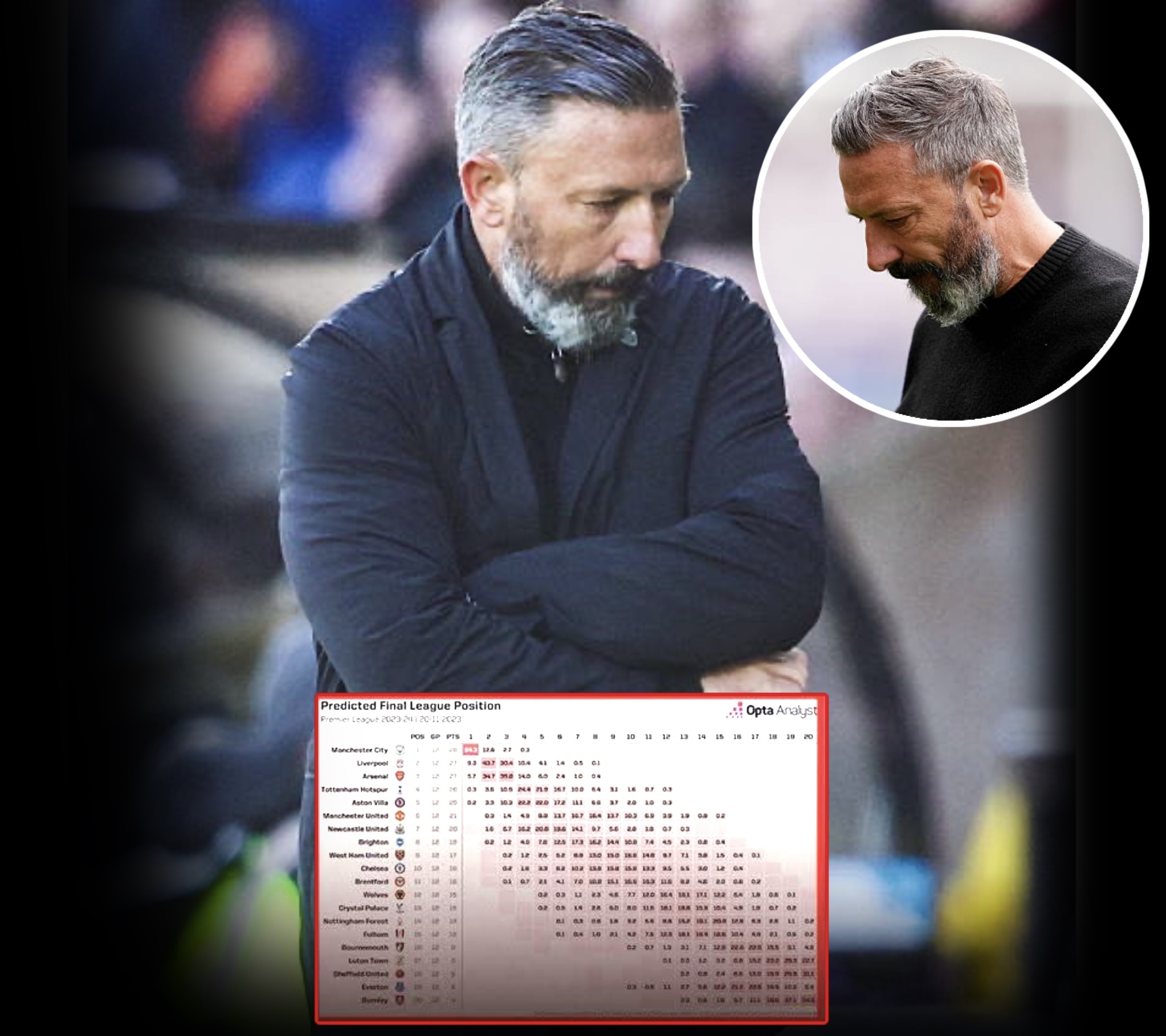
A powerful statistical model has stirred fresh debate across Scottish football after predicting a dramatic twist in the title race. Based on current standings in the Scottish Premiership, the supercomputer ran 10,000 simulations of the remaining fixtures and its verdict has surprised many.
Despite trailing at this stage of the campaign, Rangers F.C. have been projected to finish the season as champions. The supercomputer factors in form, goal difference trends, squad depth, historical performance, and fixture difficulty, producing probabilities rather than certainties. Still, the consistency of the outcome with Rangers finishing top in a significant percentage of simulations has caught attention across fans, pundits, and analysts alike.
The projection suggests that while the current league leaders hold a narrow advantage, their remaining schedule poses greater difficulty compared to their closest rivals. According to the data, Rangers benefit from a more favorable run in, combined with stronger underlying performance metrics, including expected goals and defensive stability. Over thousands of simulations, these marginal advantages appear to compound, ultimately tipping the balance in their favor.
However, the reaction has been far from calm, particularly among supporters of Heart of Midlothian F.C.. Hearts fans have taken to social media in large numbers, expressing frustration and disbelief at the prediction. Many argue that football cannot be reduced to numbers and algorithms, emphasizing the unpredictable nature of the sport.

“Football is played on the pitch, not on a computer,” one fan wrote online, echoing a sentiment widely shared among supporters. Others pointed out that injuries, refereeing decisions, and moments of individual brilliance often shape outcomes in ways no model can fully anticipate. The backlash highlights an ongoing tension between traditional football culture and the growing influence of data analytics.

Critics have also questioned the reliability of such simulations, suggesting they can overlook intangible factors like team morale, managerial decisions, and pressure in high stakes matches. While supercomputers can process vast amounts of data, they remain limited to measurable inputs, leaving room for unpredictability, something football has always thrived on.
On the other side of the debate, some analysts have defended the model, arguing that simulations are not meant to guarantee outcomes but to highlight probabilities based on available evidence. They stress that running thousands of scenarios helps identify trends that might not be obvious when simply looking at the league table.
“The table only tells part of the story,” one analyst explained. “Performance data over time can reveal which teams are likely to improve or decline. It’s not about certainty, it’s about likelihood.”
For Rangers supporters, the prediction has sparked cautious optimism. While many acknowledge that nothing is decided yet, the backing of a data driven model provides a psychological boost heading into the final stretch of the season. Confidence, especially in tight title races, can play a crucial role both on and off the pitch.
Meanwhile, the current league leader hearts fc face increased scrutiny as the pressure mounts. Every dropped point from here on could validate the supercomputer’s forecast, adding another layer of tension to an already competitive race. Managers and players alike will be aware that expectations, both human and algorithmic, are beginning to shift.
Beyond the title race, the simulations also offer insights into European qualification spots and relegation battles. However, it is the fight at the top that continues to dominate headlines. With only a handful of matches remaining, the margin for error is razor thin, and momentum could swing rapidly.
Ultimately, while the supercomputer’s prediction has fueled discussion, it remains just one interpretation of how the season might unfold. Football history is filled with unexpected twists that defy logic and statistics. From last minute winners to shocking upsets, the sport’s unpredictability is part of what makes it so compelling.
As the season approaches its climax, all eyes will be on the pitch rather than the projections. Whether the data proves accurate or wildly off the mark, one thing is certain the final weeks of the Premiership campaign promise drama, tension, and plenty of talking points.
For now, the debate continues can numbers truly predict football, or will reality once again prove far more chaotic than any simulation?