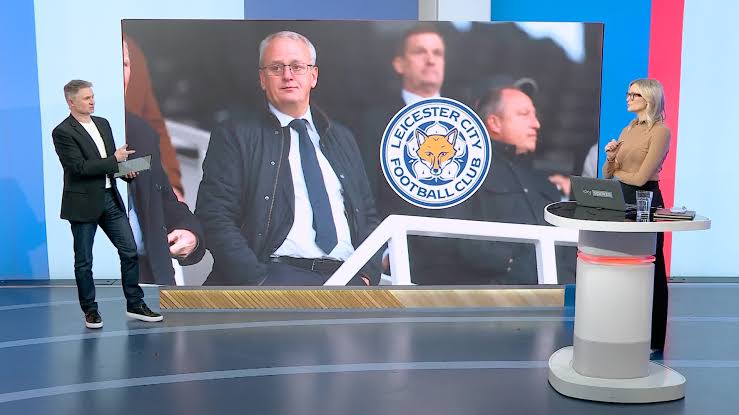
Leicester City’s proposed takeover has been thrown into fresh uncertainty, with potential buyer Neil Lal reportedly unlikely to meet the club’s £222 million valuation as the September 14 deadline for bids approaches.
The development has immediately raised questions about whether King Power will be forced to reconsider its asking price or risk seeing the sale process stall.
Scottish-Indian businessman Neil Lal has publicly expressed an interest in buying Leicester, but he has not been confirmed as the club’s next owner. Reports indicate that the valuation could prove a major stumbling block, with Lal potentially unwilling to pay the full figure being sought by King Power.

That leaves Leicester facing an uncomfortable situation.
The club is officially on the market at a time when its footballing fortunes could hardly be further from the glory years. Leicester are currently in League One and sitting 18th, following a dramatic fall from the Premier League. Their recent 4–0 defeat to Oxford United only intensified the sense of crisis surrounding the club.
King Power are reportedly seeking more than £200 million for the club, with the valuation understood to reflect Leicester’s substantial physical assets, including the King Power Stadium and the Seagrave training facility.
But potential buyers must also consider the financial reality of owning a club in League One.
Leicester’s broadcast income has fallen dramatically compared with their Premier League days, while the club has already endured significant financial losses and problems connected to previous spending.
Football finance expert Kieran Maguire has questioned whether the club’s property assets alone can justify such a valuation unless Leicester return to the Premier League.
That is where the reported disagreement with Lal becomes particularly important.
For a prospective buyer, paying £222 million would be only the beginning. There would also be the cost of rebuilding the squad, stabilising the club financially and attempting to guide Leicester back up the English football pyramid.
King Power, meanwhile, must decide whether its valuation reflects what the club is realistically worth today, rather than what Leicester could potentially be worth after a successful return to the Premier League.
FANS DIVIDED OVER WHAT SHOULD HAPPEN NEXT
The situation has left Leicester supporters with mixed feelings.
Some fans believe a change of ownership is now necessary after the club’s extraordinary decline. For those supporters, a new owner could represent a genuine fresh start and bring the investment and long-term planning needed to rebuild Leicester.

Others remain more cautious.
King Power’s ownership delivered some of the greatest moments in Leicester’s history, including the extraordinary Premier League title triumph, FA Cup success and Champions League football. That means there is still appreciation among supporters for what the ownership achieved, even amid the current frustration.
The debate over the £222 million valuation is similarly divided.

Some supporters believe Leicester’s stadium, training facilities, history and potential Premier League upside make the club an attractive long-term investment.
Others question whether such a price is realistic for a team currently competing in the third tier.
One thing appears clear: Leicester fans want change, but they also want the right change.
The Foxes Trust supporters’ group has highlighted the growing concern around the ownership situation, with its chair Lynn Wyeth saying the decision to put the club up for sale had pushed some previously undecided supporters towards wanting the current owners to leave.
That captures the complicated mood around the King Power Stadium.
There is frustration over where Leicester find themselves today, but there is also recognition that any new owner must have the financial strength and footballing vision to rebuild the club properly.
The immediate question, however, is whether the sale can actually move forward.
With the reported September 14 deadline approaching, King Power and potential buyers face an important decision.
Will the owners hold firm on their reported £222 million valuation and wait for someone prepared to pay it?
Or could a gap between the asking price and what buyers are willing to offer force Leicester to reconsider?

For Lal, the challenge is equally significant.
He could potentially become the face of a new era at Leicester, but only if negotiations can bridge the valuation gap and a deal can ultimately be agreed.
For supporters, there is now a mixture of hope, frustration and uncertainty.
Leicester have already gone from Premier League champions to League One in a remarkably short period.
The next chapter could now be determined not by what happens on the pitch, but by who is willing to buy the club and how much they are prepared to pay for it.
The £222 million valuation remains the major sticking point.
And with the deadline closing in, Leicester fans may soon discover whether this sale represents the beginning of a new era or another major setback for a club desperate to rebuild.