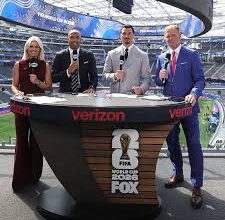
Wolverhampton manager Rob Edwards revealed why he refused to shake the Leeds United star’s hands after the match: it’s terrible.
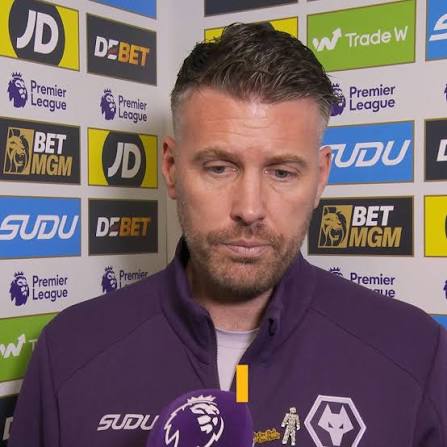
Wolverhampton Wanderers manager Rob Edwards has sparked controversy after revealing why he refused to shake hands with a Leeds United player following a tense post-match encounter.

The incident, which unfolded after a heated Premier League clash, has ignited debate among fans and pundits alike, with many questioning whether Edwards’ reaction was justified or an overstep of sportsmanship.
Speaking in his post-match press conference, Edwards did not hold back when asked about the moment that cameras quickly picked up at full-time. While handshakes between players and coaching staff are considered a routine gesture of respect in football, Edwards made it clear that, in this case, he felt it was undeserved.
“It’s terrible, honestly,” Edwards said. “There are lines you don’t cross in football. Passion is one thing, but what happened out there what was said goes beyond the game.”
Although Edwards stopped short of disclosing the exact words exchanged, his tone suggested that the issue went deeper than a simple on-pitch altercation.
According to reports, tensions had been building throughout the match, with several aggressive challenges and verbal exchanges between players from both sides. By the final whistle, emotions had clearly boiled over.
The unnamed Leeds United player reportedly approached Edwards near the touchline, extending a hand in what appeared to be a conciliatory gesture. However, Edwards turned away, visibly frustrated, and declined the handshake an action that quickly went viral across social media platforms.
Fans were divided in their reactions. Some praised Edwards for standing his ground, arguing that respect must be earned and that empty gestures after unacceptable behavior mean little. Others criticized the Wolves boss, suggesting that refusing a handshake undermines the spirit of the game, regardless of what may have been said in the heat of the moment.
Football culture has long emphasized respect, both during and after matches. Managers, in particular, are often expected to set the tone for professionalism. For Edwards, however, this situation appears to have crossed a personal boundary.
“I’m all for competition, I’m all for intensity,” he continued. “But there has to be a level of respect between professionals. If that’s missing, then a handshake at the end doesn’t fix it.”
This isn’t the first time post-match conduct has come under scrutiny in English football. Over the years, similar incidents involving high-profile managers and players have fueled debates about sportsmanship, accountability, and the emotional nature of the sport. What makes this case notable is Edwards’ willingness to speak openly about his decision, rather than brushing it off as a minor incident.
From a broader perspective, the episode highlights the fine line between passion and professionalism. Football is an emotional game, with high stakes and intense pressure often leading to confrontations.
Yet, moments like these raise questions about how those emotions should be managed and whether traditional gestures like handshakes still hold the same meaning they once did.
For Wolverhampton Wanderers, the focus will now shift back to their performances on the pitch. However, the incident has added an extra layer of intrigue to their next encounter with Leeds United, as fans will undoubtedly watch closely to see whether tensions linger.
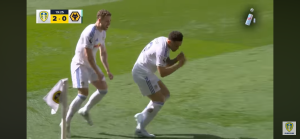
Meanwhile, Leeds United have yet to issue an official statement regarding the situation. It remains unclear whether the player involved will respond publicly or if the matter will be addressed internally within the club.
Ultimately, Edwards’ refusal to shake hands serves as a reminder that respect in football is not just about tradition it’s about behavior. Whether his reaction was justified may depend on perspective, but one thing is certain: the incident has sparked a conversation that extends beyond a single match, touching on the very values that underpin the sport.