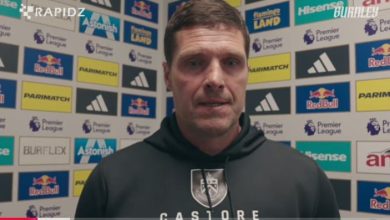
Wolverhampton Wanderers Boss Rob Edwards Opens Up on Half-Time Tunnel Clash That Sparked Full-Time Handshake Snub in Tense 1–1 Draw with Sunderland
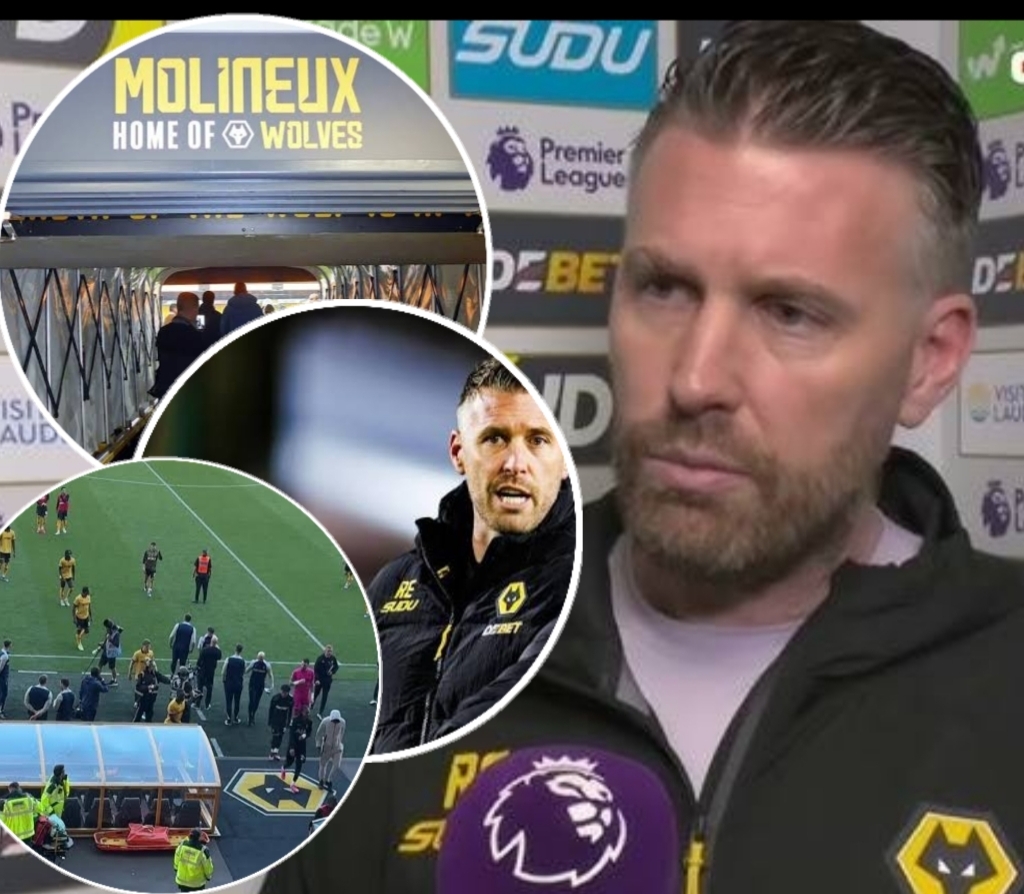
Wolverhampton Wanderers manager Rob Edwards has broken his silence on a heated sequence of events that overshadowed his side’s 1–1 draw with Sunderland, revealing that a tense half-time tunnel incident played a major role in a controversial full-time handshake snub that has since dominated post-match discussion.
While the game itself ended evenly on the scoreboard, the emotional fallout from the match extended far beyond the final whistle. What happened in the tunnel at half-time reportedly carried through into the second half and ultimately boiled over again when both teams met at full-time.
A Fierce Start to a High-Intensity Contest
From the opening whistle, it was clear this would not be a routine league fixture. Sunderland approached the game with high energy and aggression, pressing Wolves aggressively and attempting to disrupt their rhythm in possession.

Wolves, under Rob Edwards, tried to impose control through structured passing and patient buildup play. However, the match quickly developed into a physical battle, with both sides committing to challenges and refusing to back down in duels across the pitch.
Tackles were firm, tempers began to rise, and several minor confrontations broke out between players. The referee was kept busy managing disputes and ensuring the game did not spiral out of control.
By the end of the first half, the tension on the pitch was already clearly visible, setting the stage for what would follow off it.
Half-Time Tunnel Incident Sparks Chaos
According to Rob Edwards, the most significant flashpoint of the match occurred immediately after the first half ended, as players and staff from both sides made their way down the tunnel.
“There was an incident at half-time,” Edwards explained after the match. “It got heated, there were words exchanged, and emotions were very high from both sides.”
While he did not directly name individuals involved, reports suggest the confrontation stemmed from a late first-half challenge that sparked frustration between both sets of players. What began as verbal exchanges on the pitch is believed to have escalated further in the tunnel area.
In the confined space of the stadium corridor, tensions intensified quickly. Voices were raised, gestures were exchanged, and staff members from both clubs reportedly had to intervene to calm the situation before it escalated further.
Edwards acknowledged that while such moments are not ideal, they are sometimes part of the emotional reality of top-level football.
“When you have two competitive teams fighting for every ball, these things can happen,” he said. “It’s not something you want to see, but it’s part of the game when emotions are high.”
Second Half Played Under Lingering Tension
When both teams returned to the pitch for the second half, the atmosphere remained noticeably tense. The tempo of the game stayed high, but there was a sharper edge to every challenge and every decision.
Wolves attempted to settle into their rhythm and regain control of possession, but Sunderland continued to apply pressure, refusing to allow the home side any comfort in building play.
The match became increasingly physical as it progressed, with both teams committing fully to duels and competing intensely for second balls. The emotional energy from the tunnel incident appeared to linger, influencing the tone of the second half.
Despite the intensity, both sides managed to find the net once, resulting in a 1–1 draw that reflected the balance of the contest. However, the football itself was soon overshadowed by what unfolded after the final whistle.
Full-Time Handshake Snub Sparks Controversy
As players and staff lined up for the traditional post-match handshake, a moment of controversy occurred that quickly became the focal point of discussion.
A Sunderland player appeared to ignore an extended handshake from a Wolves staff member, walking past without acknowledging the gesture. The incident lasted only seconds but was immediately noticed by those nearby and captured attention as footage circulated online shortly after the match.
The moment sparked widespread debate among fans, with opinions divided over whether it was a deliberate act of disrespect or simply a reaction influenced by the intensity of the game.
Rob Edwards, however, made it clear that he viewed the incident as part of a broader emotional chain of events that began much earlier in the match.
“What happened at full-time didn’t come from nowhere,” Edwards said. “It was connected to what happened at half-time. The emotions were still there.”

“It’s not just about one handshake. It’s about everything that built up during the game.”
Edwards Calls for Context and Calm
While acknowledging the tension, Edwards urged perspective when assessing the situation, emphasizing that emotional reactions are common in high-pressure football environments.
“These are competitive games,” he explained. “Players are fully invested, and sometimes emotions carry over. That doesn’t excuse everything, but it explains why things happen in the moment.”
The Wolves manager stressed that respect remains an important part of the sport, but insisted that context should not be ignored when incidents like this are discussed publicly.
“Of course we want professionalism,” he said. “But you also have to understand the environment these players are in.”
Sunderland’s Response Focused on Performance
From Sunderland’s perspective, the focus remained firmly on their performance and the point gained away from home. The visitors showed strong discipline throughout the match, matching Wolves physically and tactically for long periods.
Despite the heated exchanges, Sunderland players largely maintained composure on the pitch and ensured they remained competitive until the final whistle.
Sources close to the club suggested that the earlier confrontation may have strengthened their resolve, encouraging them to respond through performance rather than emotion.
Divided Reactions Across Football Community
The handshake incident has since sparked mixed reactions across the football world. Some supporters have criticized it as poor sportsmanship, arguing that professional conduct should remain consistent regardless of in-game tensions.
Others, however, believe the reaction is understandable given the emotional build-up during the match, particularly following the half-time tunnel confrontation.
Football pundits have also weighed in, highlighting how unseen tunnel incidents can shape player behaviour long after they leave the pitch.
“What happens in those moments behind closed doors often carries into what we see at full-time,” one analyst noted. “It’s not always just about the final whistle.”
Conclusion
Although the match between Wolverhampton Wanderers and Sunderland officially ended in a 1–1 draw, the real story has unfolded off the pitch.
A heated half-time tunnel clash, lingering emotions throughout the second half, and a controversial full-time handshake snub combined to create a dramatic narrative that has overshadowed the result itself.
For Rob Edwards and Wolves, the focus now shifts to learning from the incident and ensuring that future matches are defined by performance on the pitch rather than emotional flashpoints off it.