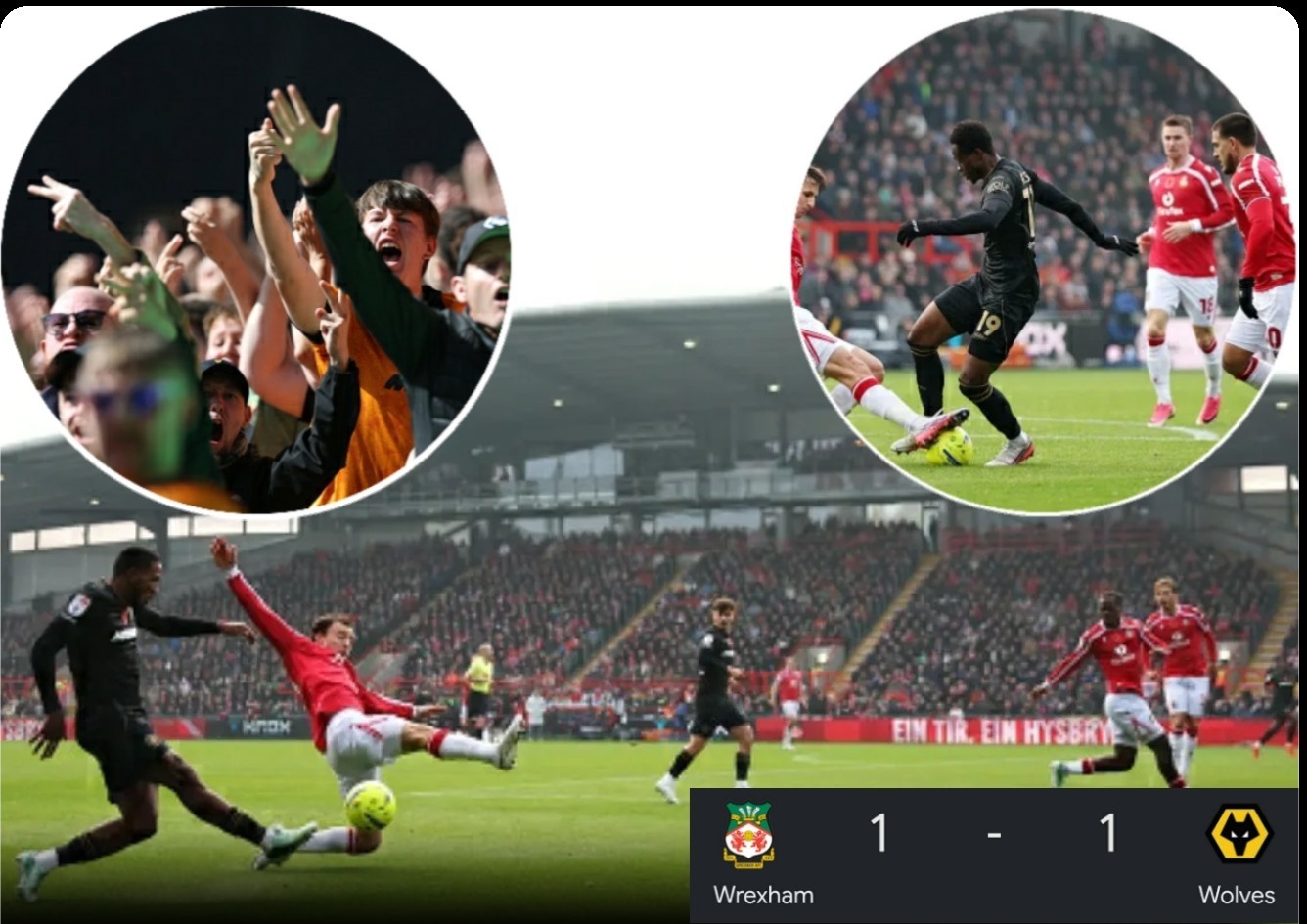
The flashpoints that define a football season are rarely born out of 90 minutes of sustained tactical failure. More often, they are forged in the crucible of absolute chaos—those compressed, breathless spells where structural integrity dissolves and panic takes the wheel. For Wolverhampton Wanderers, that moment arrived with brutal, unforgiving swiftness. What should have been a routine professional victory transformed, in the span of just two frantic minutes, into a psychological and sporting disaster that has blown the lid off Molineux.
A Golden Opportunity Squandered in the Blink of an Eye
Up until the pivotal turning point, the narrative of the fixture was tracking precisely to script for the visitors. Wolves had managed the game with a degree of competence, carving out a hard-earned lead and successfully neutralizing the trademark intensity that Wrexham routinely brings to these high-stakes encounters. The defensive block looked secure, possession was managed with relative comfort, and the three points appeared securely etched into the ledger.
Then came the descent. A momentary lapse in concentration at the back metastasized instantly into a full-scale panic. A botched clearance morphed into a scrambled defensive mess, a clinical Wrexham intervention capitalized on the vacuum of leadership, and before the technical area could even digest the equalizer, a second wave breached a shell-shocked Wolves backline. One hundred and twenty seconds of sheer, unadulterated defensive unraveling had handed the Red Dragons a lifeline they barely dared to dream of, flipping the scoreline on its head and sealing a famous, improbable win.

The Anatomy of a Collapse: Context and Rising Pressure
To understand the visceral fury greeting the final whistle, one must look beyond the immediate shock of those two catastrophic minutes and examine the broader landscape of Wolves’ campaign. This was not merely an isolated case of bad luck; it arrived against a backdrop of mounting tension, fragile confidence, and a restless fan base that has felt the ground shifting beneath their feet for months.
Consistency has proven an elusive luxury, and the psychological scars of past late-game collapses have begun to accumulate. When a squad with genuine ambitions shows such brittle resistance under pressure, underlying questions regarding tactical management, game-management protocols, and mental fortitude inevitably bubble to the surface. Wrexham, riding the crest of their extraordinary modern resurgence, smelled blood in the water and executed their press with ruthless opportunism, exposing every structural fracture available.
”Absolute Chaos”: Reactions from the Stands and the Dressing Room
The full-time whistle was met not with stunned silence, but with a cacophony of unfiltered outrage. Traveling supporters who had made the arduous journey vented their fury toward the pitch, with chants of discontent ringing loud and clear as players trudged toward the tunnel with heads bowed. Social media channels erupted almost instantaneously into digital war zones, with fan forums demanding immediate accountability from both the hierarchy and the dressing room, labeling the capitulation as an embarrassment to the club’s proud heritage.
Behind closed doors, the atmosphere was reportedly heavy with recrimination. Senior figures within the squad are understood to have held an impassioned inquest immediately after the match, recognizing that polite platitudes about learning from mistakes no longer suffice. While manager and players alike acknowledged the unacceptable nature of the final-minutes collapse, the silence from the technical area post-match underscored a deeper realization: words are running dangerously thin.
The Wider Implications: Is the Season Slipping Away?
In professional football, a single result can act as a domino, triggering a cascading effect that alters the trajectory of an entire campaign. For Wolves, this defeat risks morphing from a painful afternoon into a defining crisis. Confidence is a fragile commodity; once fractured, it requires monumental effort to reconstruct.
Rival clubs hovering nearby in the table will have watched this 120-second implosion with keen interest, noting the vulnerability ingrained in Wolves’ defensive transitions when placed under acute pressure. The psychological fallout could severely compromise upcoming fixtures, placing immense scrutiny on the coaching staff’s ability to steady the ship before the narrative spirals entirely out of control.
What Happens Next?
The immediate future hinges entirely on response and resilience. Training ground sessions this week will undoubtedly focus on defensive organization, stress-testing mental resolve, and conducting frank, unvarnished assessments of accountability. The upcoming fixtures offer no sanctuary, meaning Wolves must quickly translate their internal inquests into tangible, disciplined performances on the pitch.
Ultimately, whether this stunning defeat serves as the catalyst for a necessary, hard-nosed revival or merely accelerates a descent into full-blown crisis remains to be seen. What is undeniable, however, is that the margin for error at Molineux has evaporated entirely as the club fights to salvage its season.