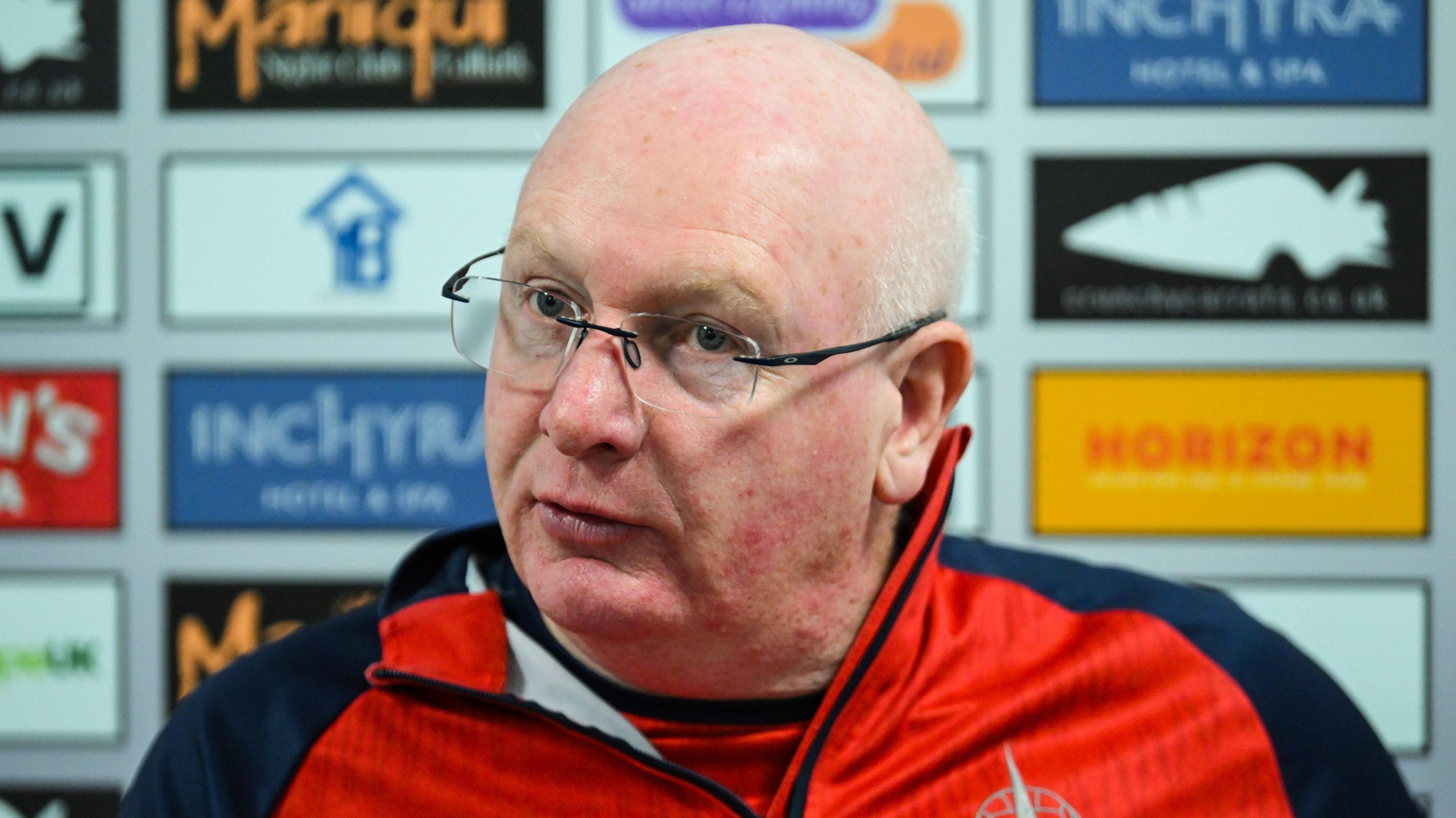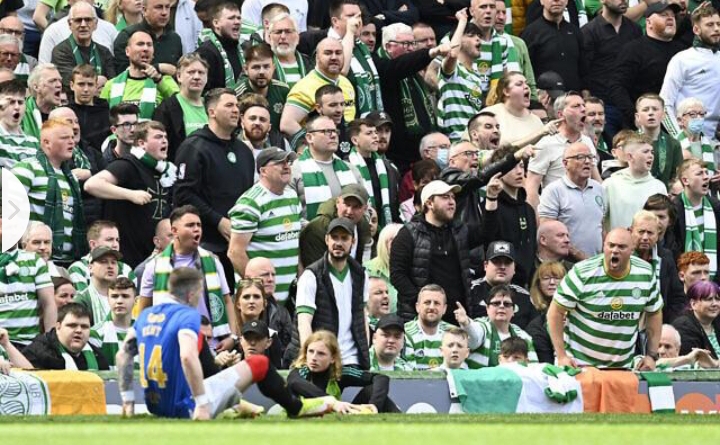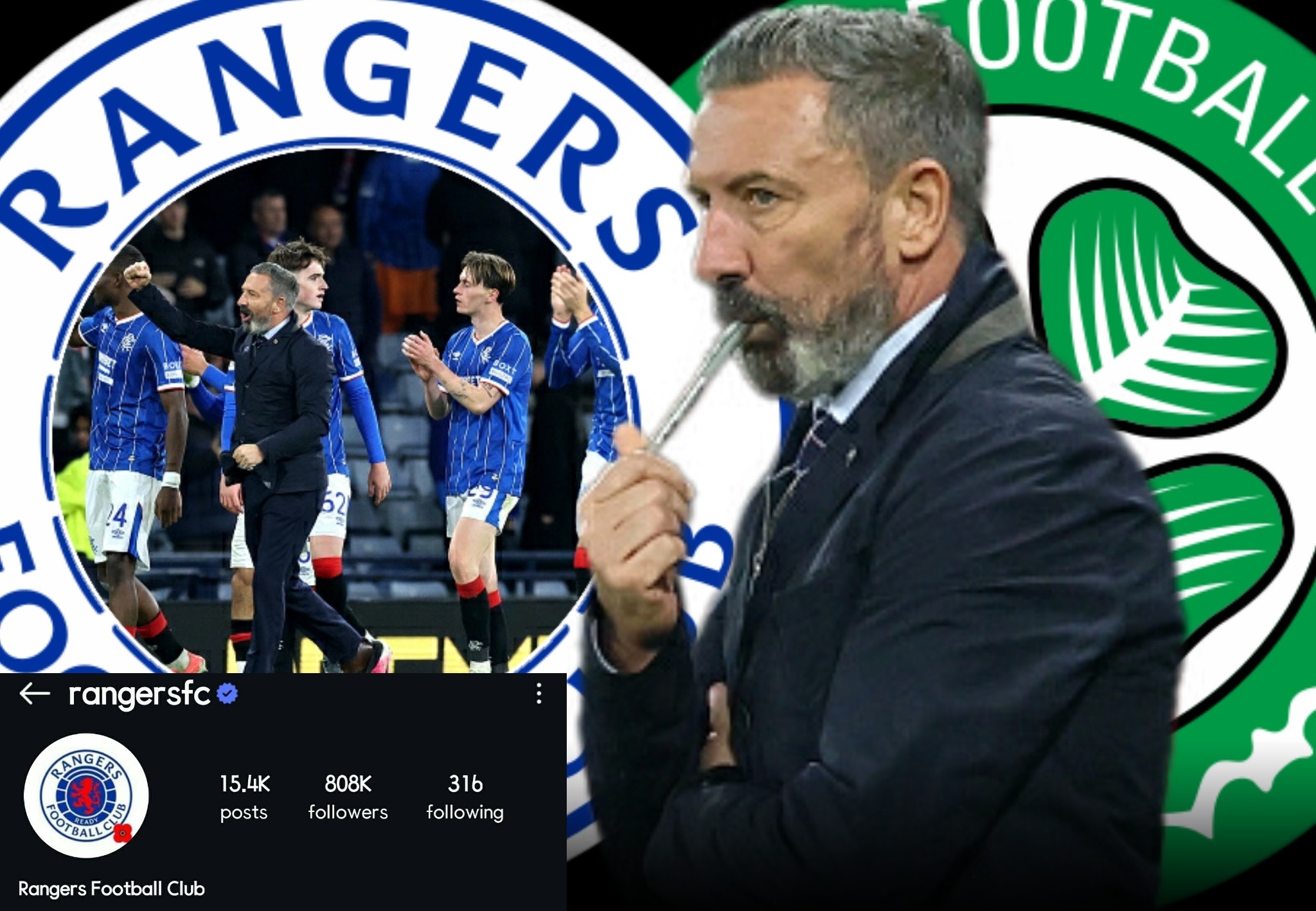
Scottish football’s fierce tribal divide has erupted into a digital firestorm following an unfiltered dressing-room revelation that has sent shockwaves through the upper echelons of the Scottish Premiership. In a season defined by razor-thin margins at the summit of the table, comments originating from within the Rangers camp regarding manager Derek McInnes’s strategic blueprint for Celtic have triggered an unprecedented social media meltdown.
The remarks, which quickly transcended ordinary football discourse to trend across mainstream platforms, have injected an explosive new layer of psychological tension into an already volatile title race.
The Spark That Lit the Digital Fire
The controversy began when a prominent member of the Ibrox squad spoke candidly to media channels about the internal expectations and tactical framework instilled by McInnes. Eschewing the customary media training platitudes that typically characterize Old Firm build-ups, the player offered a remarkably transparent assessment of how the squad intends to challenge Celtic’s domestic hegemony.
Sources close to the Ibrox setup indicate that the comments highlighted a calculated, aggressive approach designed to target specific tactical mechanics within the reigning champions’ structure. Within hours of circulating online, the soundbites were dissected, shared, and debated across thousands of fan forums, instantly transforming an ordinary mid-week news cycle into a high-stakes narrative.
Context, Form, and the Title Equation
To understand why these comments resonated so deeply, one must examine the current landscape of Scottish football. Under McInnes, Rangers have steadily cultivated a reputation for tactical discipline, physical resilience, and defensive organization, applying relentless pressure on the league leaders. Every tactical adjustment is analyzed for signs of a shifting power dynamic in Glasgow.
Celtic, meanwhile, have navigated a demanding campaign under intense scrutiny. For the Parkhead club, maintaining domestic supremacy requires shielding the squad from external noise. Any suggestion of a precise, player-backed counter-strategy naturally raises the stakes, turning routine league fixtures into high-drama confrontations where psychological positioning matters just as much as execution on the pitch.
Fan Reactions and Punditry Perspectives
The immediate fallout laid bare the stark polarization of Glasgow’s footballing faithful:
The Rangers Viewpoint: Ibrox supporters flooded digital platforms to champion the visible confidence and hunger radiating from the squad, interpreting the remarks as definitive proof of a fearless mentality under their manager.
The Celtic Response: Conversely, Hoops fans expressed acute frustration and urgency online, openly debating how the technical staff intends to neutralize the reported tactical threats ahead of their next meeting.
Analysts examining the episode noted that while bulletin-board material is an age-old tradition in high-stakes football rivalries, the explicit nature of this disclosure magnifies the pressure on both dressing rooms. In elite sports, inviting extra motivation from a rival can be a dangerous gamble, but it also signals a squad that believes entirely in its competitive identity.
The Broader Narrative
As the Premiership season approaches its critical winter phase, the broader implications of this digital uproar extend far beyond social media metrics. Psychological warfare is an inherent component of championship chases. How managers utilize or deflect these narratives often dictates how squads handle adversity when the lights shine brightest.
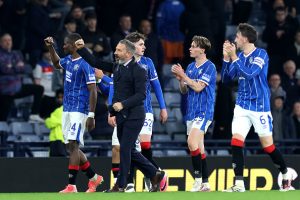
For Rangers, the focus remains on converting rhetorical confidence into tangible on-field success. For Celtic, the challenge lies in utilizing the external chatter as internal fuel to solidify their standing at the top.
What Lies Ahead
Attention now pivots entirely back to the training pitches at Auchenhowie and Lennoxtown as players reconvene following international and domestic break periods. Media availability ahead of the weekend slate of fixtures will place both managers under an unforgiving microscope, with reporters eager to see whether McInnes or his Celtic counterpart choose to address the viral commentary head-on.
Final Whistle
Whether this episode ultimately proves to be a decisive psychological turning point or merely a fleeting storm in the modern digital age, it has permanently shifted the temperature in Glasgow. As the two giants prepare for their next heavyweight collisions, the narrative has been set: every tactical shift, every tackle, and every post-match reaction will be watched by an audience that is more engaged—and more divided—than ever before.