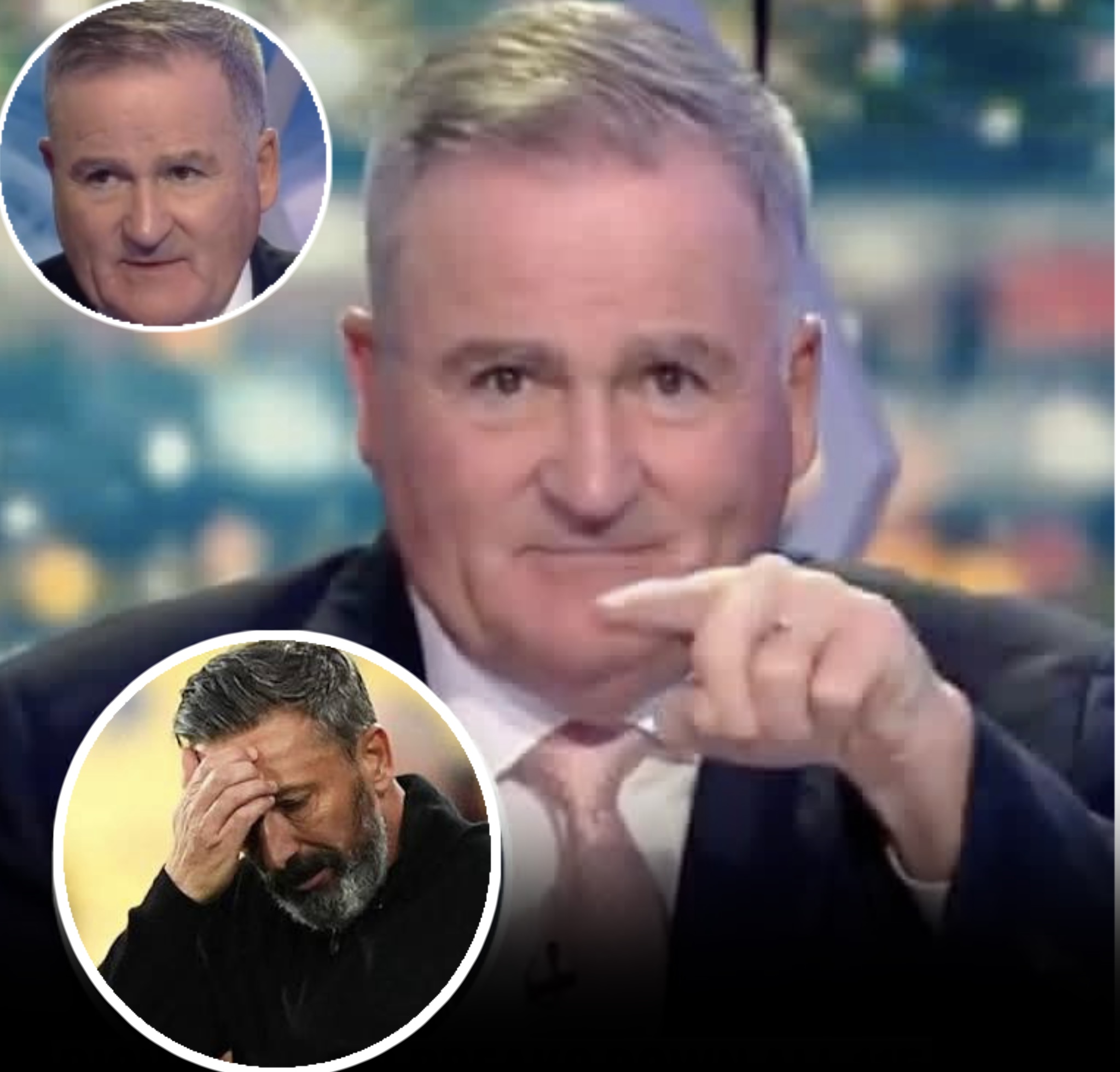
Rangers FC have once again found themselves at the centre of Scottish football controversy after renowned football broadcaster Richard Keys turned attention towards the growing list of disciplinary sanctions involving the Ibrox club, raising serious questions about the treatment of the Glasgow giants.
Keys’ statements has reignited discussions among supporters, with the broadcaster questioning whether Rangers are receiving fair treatment from football authorities and suggesting that decisions surrounding the club could have wider implications for their ambitions in Scotland and Europe.
The sky sport discussion has attracted attention because of the number of disciplinary matters Rangers have faced, with Keys highlighting the financial consequences, sporting restrictions and suspensions that would affect club.
He believes the situation deserves closer examination, particularly when similar incidents involving other clubs appear to attract different levels of punishment.

Keys has previously expressed confidence in Rangers’ potential to remain a major force in European football, suggesting that the club has the resources and history to compete at the highest level. However, he believes the challenges surrounding the club extend beyond what happens on the pitch.
The broadcaster’s latest comments have placed the Scottish FA and UEFA under renewed scrutiny, with questions being raised about consistency, fairness and the consequences of disciplinary decisions.
One of the major issues highlighted during the discussion concerns the Scottish Cup quarter-final incident at Ibrox on March 8, 2026, which involved a pitch invasion and crowd disorder. Rangers admitted breaching Scottish FA Rule 37 following the incident.
After an appeal hearing in late October 2026, the club remained subject to a stadium closure for its next home Scottish Cup match, alongside a £100,000 payment to cover lost gate receipts.
The punishment has generated considerable debate, particularly because the incident also resulted in disciplinary action against Celtic.
Keys questioned the scale of the financial consequences and the wider implications of imposing such restrictions on a club with Rangers’ commercial and sporting responsibilities.
He argued that disciplinary authorities must demonstrate consistency when dealing with incidents involving major Scottish clubs, rather than allowing decisions to create the impression that one club is being treated differently from another.
Another matter attracting attention is UEFA’s reported €15,000 fine, approximately £13,000, imposed on Rangers in August 2026 for causing a late kick-off during their European qualifying tie against Polish side Jagiellonia Białystok.
Although the financial penalty may appear relatively small compared with the Scottish Cup punishment, Keys believes the accumulation of disciplinary sanctions deserves attention.
He questioned why Rangers continue to find themselves dealing with financial penalties and sporting consequences, particularly when football authorities are expected to apply their regulations consistently across competing clubs.
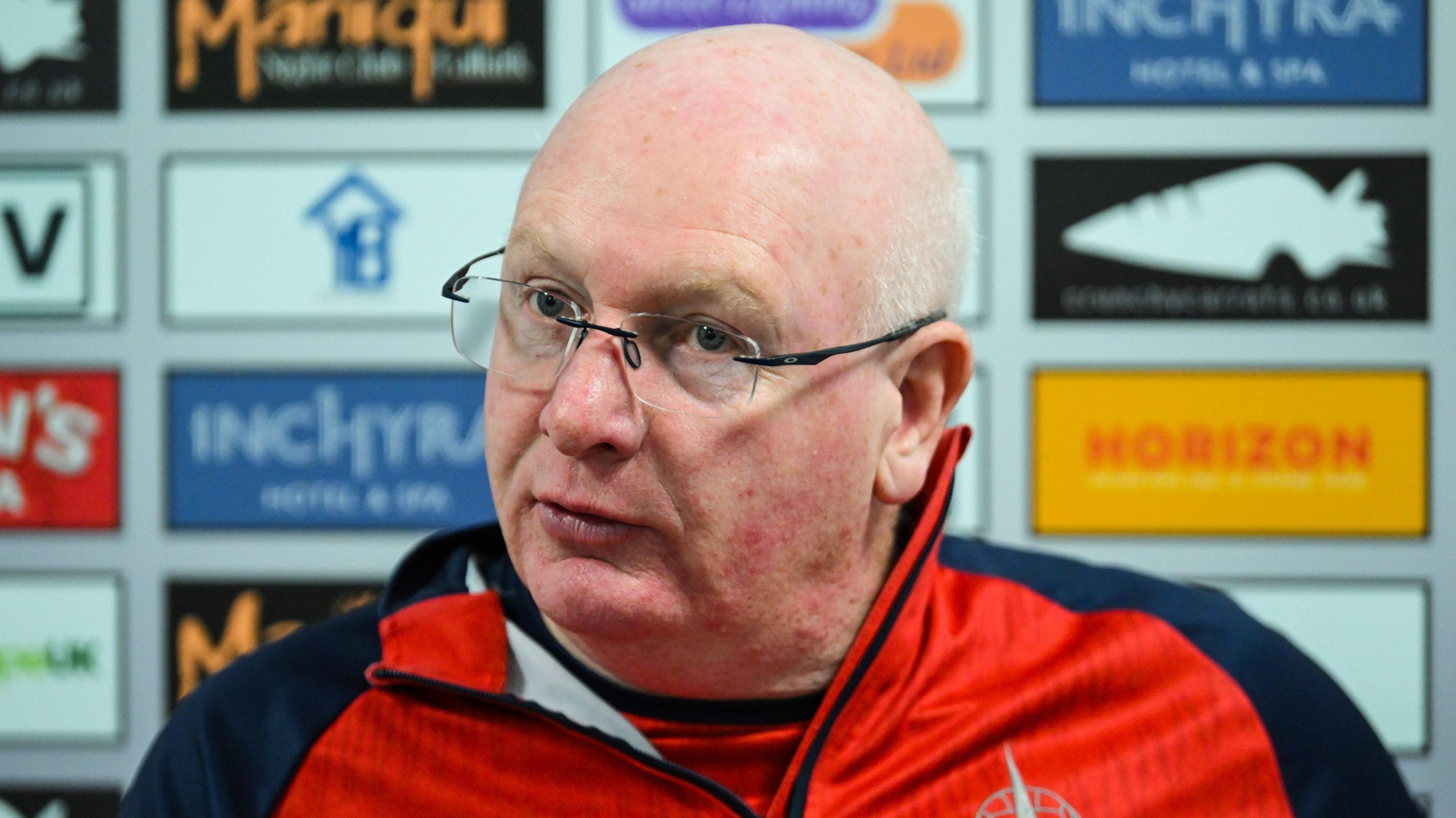
The discussion also revisited the touchline suspension involving Rangers manager Derek McInnes.
McInnes began the 2026–27 campaign serving a four-match Scottish FA touchline suspension, with one match deferred, following public criticism of a refereeing decision during his previous managerial spell at Hearts.
For Keys, the situation represents another example of how decisions made by football authorities can have consequences that extend into a club’s preparation and management of important fixtures.
He believes managers should be allowed to express legitimate concerns about officiating without automatically facing punishments that could affect their teams.
During his assessment, Keys argued that some of the circumstances surrounding Rangers’ disciplinary problems were not directly caused by the club itself. He questioned whether the authorities had properly considered the wider circumstances before reaching their decisions.
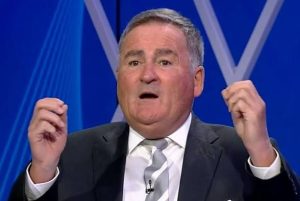
“Honestly, I find the treatment of Rangers very concerning. When you look at the number of charges, fines and suspensions surrounding this club, you have to ask serious questions about consistency and fairness.
Other clubs have been involved in similar situations, sometimes even worse, yet the punishments do not always appear to be the same. Rangers cannot continue to face what looks like unnecessary external pressure while trying to compete in Scotland and Europe.
The SFA must explain itself. Football authorities should apply the rules equally, not make Rangers feel like they are being singled out. This is becoming difficult to ignore.”
His criticism was particularly directed towards the Scottish FA, which he believes must do more to convince supporters that its disciplinary processes are impartial.
The broadcaster’s position is that Rangers should be judged according to the same standards as every other club, but those standards must also be applied consistently, regardless of the size, reputation or influence of the team involved.
He further warned that allowing controversies of this nature to continue could damage confidence in Scottish football’s governing institutions.
For Rangers supporters, the debate goes beyond individual fines and suspensions. It concerns whether their club is being given a fair opportunity to compete without what they perceive as unnecessary external distractions.
Keys has maintained his confidence in Rangers’ long-term European ambitions, but believes the club must be able to concentrate on building a competitive team rather than repeatedly dealing with disciplinary controversies.
He also believes that the authorities should recognise the importance of Rangers to Scottish football and ensure that decisions involving the club are supported by clear, consistent and transparent reasoning.



Nevertheless, the discussion has raised an important distinction between questioning the fairness of a punishment and establishing whether the regulations were properly applied. Rangers’ admitted breach of Rule 37 and the UEFA late-kick-off fine remain disciplinary matters, while claims of inconsistent treatment require evidence and responses from the relevant authorities.
The Scottish FA and UEFA’s positions on the individual decisions remain important to understanding the wider controversy.
As the debate continues, Richard Keys’ intervention has ensured that Rangers’ disciplinary record is once again attracting attention beyond Scotland.
Whether his criticism will prompt further questions for the governing bodies remains to be seen, but one thing is clear: the conversation surrounding Rangers is no longer limited to results, performances and the battle for domestic honours. The fairness and consistency of football’s disciplinary system have now become equally important talking points.