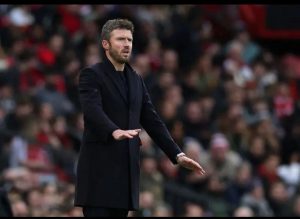
JUST IN. Michael Carrick Accuses Leeds Fans’ Chant of Crossing the Line — Demands FIFA Intervention

Football rivalries are often fuelled by passion, emotion and unforgettable moments, but the debate surrounding supporters’ chants can quickly become a serious talking point. A hypothetical controversy involving Michael Carrick and Leeds United fans has raised questions about where football banter should end and unacceptable behaviour should begin.
The headline suggests that Carrick has taken issue with a chant associated with Leeds supporters, arguing that it crossed a line and calling for FIFA to intervene. However, without a verified statement or reliable report confirming these claims, the alleged confrontation should not be treated as an established news event.
A Rivalry That Could Spark Debate

English football has a long history of intense rivalries, with supporters regularly using songs and chants to create an intimidating atmosphere and express their feelings towards opposing teams. These traditions are deeply rooted in the game, but they can also generate controversy when the words used are considered offensive or inappropriate.
If Carrick were to raise concerns about a particular chant, the central question would be what was actually said, the context in which it occurred and whether it breached any relevant football regulations.
Those details would be essential before reaching a conclusion about whether disciplinary action was justified.
Why the FIFA Question Matters
FIFA is football’s international governing body, responsible for overseeing the game globally and establishing regulations in areas including discrimination and misconduct. However, incidents involving supporters at domestic English football matches would ordinarily fall within the responsibilities of the relevant competition organisers and football authorities, depending on the circumstances.
That distinction matters because not every controversial chant automatically requires FIFA to become involved.
The Football Association, the Premier League and other relevant bodies have their own disciplinary procedures. Depending on the nature of an incident, authorities may examine reports from match officials, available recordings and information supplied by clubs before deciding whether further action is necessary.
Any demand for intervention would therefore need to be considered alongside the specific rules and the authority responsible for the match.
Leeds Supporters at the Centre of the Discussion
Leeds United supporters are known for their passionate backing of the club, particularly during fiercely contested fixtures. The atmosphere created by a large travelling support can add intensity to a match, but passionate support does not remove the responsibility to respect the rules of the game.
At the same time, allegations concerning supporters should be handled carefully. A chant must be assessed using its actual wording and context rather than assumptions about an entire fanbase.
Without a confirmed recording or reliable account of the alleged incident, it would be premature to label the chant offensive, declare that rules were broken or suggest that Leeds United should face punishment.
What Could Happen Next?
If an actual complaint were submitted, the relevant football authorities could review the available evidence and determine whether the incident warranted further investigation. Depending on the findings, possible responses could range from taking no action to issuing a formal warning or imposing disciplinary measures where the regulations had been breached.
Any decision would need to follow the appropriate process, with the evidence examined before responsibility was assigned.
For supporters, the wider debate is an important one. Football depends on atmosphere, rivalry and the freedom to celebrate a club, but those traditions exist alongside rules intended to protect players, officials and spectators from discriminatory or otherwise prohibited conduct.
A Story That Needs Confirmation

The headline presents a dramatic clash between Carrick and Leeds supporters, with FIFA intervention positioned as the central demand. Yet the crucial details remain unverified: the exact chant, when it allegedly occurred, Carrick’s purported words and whether any official complaint was made.
Until credible reporting or an attributable statement establishes those facts, the story should not be published as confirmed breaking news.
One thing remains clear: when football chants provoke genuine concerns, the strongest response is to examine the evidence, apply the relevant regulations consistently and ensure that the atmosphere of the game does not come at the expense of respect and fair treatment.